
How To
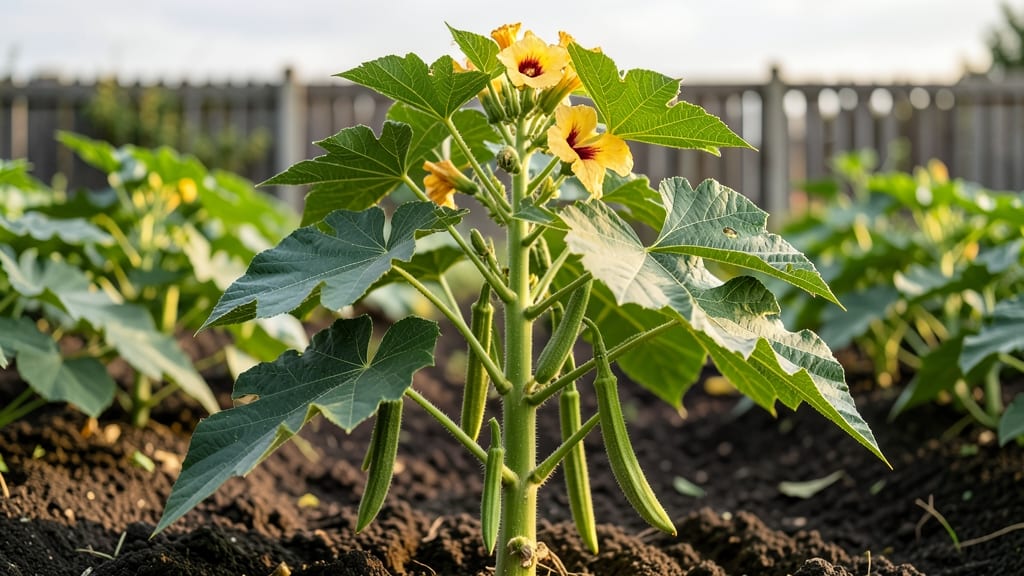
If you're wondering how tall okra plants grow, get ready for a surprise—these summer 🌱 stars can shoot up like sky scrapers, reaching heights of 6 to 10 feet with the right care.
That towering growth isn’t just impressive; it’s also a game-changer for maximizing your harvest, as taller plants often mean more pods when supported properly.
But here’s the catch: without guidance, those long stems can flop over, turning your garden into a tangled mess. The good news? With simple vertical support—like trellises or sturdy cages—you can keep your okra plants upright, healthy, and easy to harvest.
Whether you're working in USDA Zone 6a or another warm climate, the right techniques make all the difference.
Let’s dive into what influences okra’s height—from genetics to sunlight—and how you can harness that growth for a bountiful summer harvest. You’ll learn which varieties grow tallest, when to prune for better structure, and the easiest support methods to try. Ready to turn your okra into a vertical powerhouse?
From tiny seedlings to towering plants, managing okra’s growth is simpler than you think. By the end of this guide, you’ll know exactly how to coax your plants to their full potential—without the chaos. Let’s get growing!

Okra plant growth height: natural range and genetic factors
Okra plants are famous for their explosive vertical growth, often shooting up like sky-scraping giants in your garden. On average, mature okra plants reach 6 to 10 feet tall, though some varieties can exceed 12 feet under ideal conditions.
This rapid ascent makes okra a perfect candidate for vertical gardening, especially in spaces where horizontal sprawl isn’t an option.
The height of your okra isn’t just luck—it’s a mix of genetics, sunlight exposure, and soil quality. Some varieties, like 'Clemson Spineless', are bred to grow 8 to 10 feet tall, while dwarf varieties like 'Burgundy' max out at 3 to 5 feet.
Choosing the right variety for your space can mean the difference between a manageable harvest and a jungle takeover.
| Variety | Mature Height | Pod Production | Notes |
|---|---|---|---|
| Clemson Spineless | 8–10 ft | High | Heat-tolerant, great for Southern climates |
| Emerald | 6–8 ft | Moderate | Early maturing, good for shorter seasons |
| Burgundy | 3–5 ft | Low-Moderate | Dwarf variety, ideal for containers |
| Jinchan | 4–6 ft | High | Long pods, Asian favorite |
Sunlight is the primary driver of okra’s height. These plants thrive in full sun (6+ hours daily), and without enough light, they’ll grow leggy and weak, stretching toward any available rays.
In shady conditions, expect stunted growth and fewer pods. If your garden is less than ideal, consider using reflective surfaces or moving plants to sunnier spots as they grow.
Soil also plays a critical role. Okra prefers well-draining, nutrient-rich soil with a pH between 6.0 and 6.8. Poor soil can slow growth, while amended soil with compost gives plants the boost they need to reach their full height.
If your soil is heavy clay or sandy, mix in organic matter like aged manure or coconut coir to improve structure and fertility.
Another factor is watering consistency. Okra plants need 1–2 inches of water weekly, but uneven moisture can cause uneven growth. Deep watering in the morning encourages strong root development, which supports taller growth.
Avoid overwatering, though—okra is drought-tolerant once established, and soggy soil can lead to fungal issues that weaken plants.
Temperature also influences height. Okra grows best in warm climates (USDA Zones 7–11), with ideal temperatures between 70°F and 95°F. In cooler regions, plants may grow slower and shorter.
If you’re in a short growing season, opt for early-maturing varieties like 'Emerald' to maximize height and harvest before frost.
One common misconception is that taller okra always means more pods. While height can correlate with productivity, bushier growth often yields better. Pruning and support structures can help redirect energy from vertical growth to pod production.
For example, pinching back the top few inches of young plants encourages branching, leading to more harvestable pods.
If you’re growing okra in containers or small spaces, dwarf varieties are your best bet. Even then, provide sturdy support like a 5-foot cage to prevent flopping.
For larger gardens, let taller varieties stretch their legs—just be prepared for 10-foot-tall giants that may need trellises or stakes to stay upright and accessible.
Remember, okra’s height isn’t just about aesthetics—it’s about harvest potential. With the right variety, sunlight, soil, and support, you can turn those towering plants into a pod-producing powerhouse while keeping your garden tidy and manageable.
Okra plant growth height: natural range and genetic factors
Okra plants are famous for their rapid vertical growth, often shooting up like sky-scrapers in your garden. On average, mature okra plants reach 6 to 10 feet tall, but some varieties can even surpass this, especially in ideal conditions.
The Clemson Spineless variety, for example, is known to grow 8 to 10 feet under perfect sunlight and soil conditions.
Genetics play a huge role in determining height. Dwarf varieties, like 'Burgundy' okra, typically stay between 3 to 5 feet tall, making them perfect for containers or small gardens.
Meanwhile, standard varieties like 'Emerald' or 'Red Burgundy' can tower over 6 feet or more, requiring sturdy support to prevent toppling over.
| Variety | Mature Height | Notes |
|---|---|---|
| Clemson Spineless | 8–10 ft | High-yielding, needs strong support |
| Emerald | 6–8 ft | Classic variety, great for trellises |
| Burgundy | 3–5 ft | Dwarf variety, ideal for containers |
Climate and soil conditions also influence how tall your okra grows. Warm temperatures and well-draining soil encourage faster growth, while poor soil quality or cool nights can stunt height and reduce pod production.
In USDA Zone 6a, where frost-free days are limited, okra thrives with 6–8 hours of sunlight daily, which directly impacts its vertical expansion.
Did you know? Taller okra plants often produce more pods, but only if given proper nutrients and support. Without these, even the tallest varieties may struggle to reach their full potential.
For example, a 10-foot Clemson Spineless plant can yield up to 20 pods per stem if cared for correctly!
To maximize height—and harvest—focus on rich, compost-amended soil and consistent watering. Avoid overcrowding, as plants need 18–24 inches of space to grow tall and strong. If you’re growing okra in containers, choose larger pots (at least 12 inches deep) to accommodate root growth.
One common mistake is assuming all okra varieties grow the same height. Dwarf varieties are perfect for small spaces, while tall varieties need room to stretch. Plan your garden layout accordingly to avoid overcrowding or underutilized space.
With the right variety and care, you’ll soon have okra plants reaching for the sky—and your kitchen! 🌱