
Plants
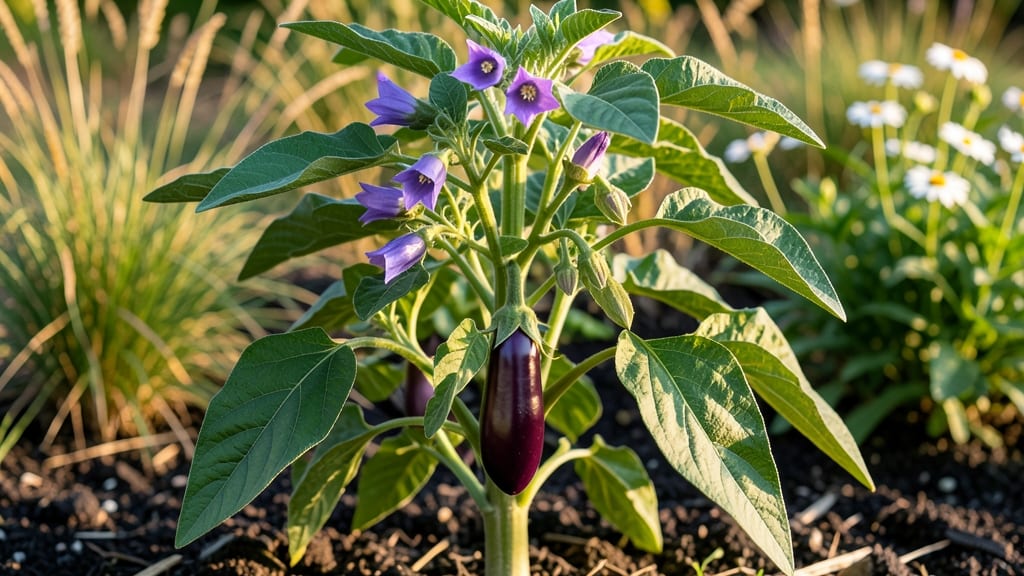
If you're planning your garden and wondering "how tall do eggplant plants grow", the answer might surprise you—these purple powerhouses range from compact 1-foot dwarfs to towering 5-foot vines, depending on the variety.
Choosing the right size for your space isn't just about aesthetics; it directly impacts yield and ease of care.
For beginners, 'Fairy Tale' eggplants stay under 2 feet, making them perfect for containers or small plots, while classic 'Black Beauty' varieties can stretch up to 4 feet or more.
The key difference? Bush types stay stocky and manageable, while vining varieties need trellises or staking to reach their full potential.
Sunlight, pruning, and even your local climate play a huge role in how tall your eggplants grow. In USDA Zone 6a, for example, proper spacing and support can help you coax those towering varieties into producing more fruit without sacrificing stability.
Let’s break down the best options for your garden setup.
Whether you're working with limited balcony space or a sprawling backyard, understanding these height variations will help you maximize your harvest. Ready to pick the perfect eggplant for your growing conditions?

Eggplant height variations by variety: compact to towering types
If you're planning your eggplant garden, the first question you'll want answered is: how tall do eggplant plants grow? The answer varies dramatically depending on the variety you choose. Some stay compact and bushy, while others grow into towering vines that need support.
Knowing these differences will help you plan your garden layout and choose the perfect variety for your space.
Eggplant plants generally fall into three main height categories: dwarf varieties (1-2 feet), standard bush types (2-4 feet), and vining giants (4-6 feet or taller).
Each type has its own space requirements and care needs, so selecting the right one for your garden is crucial for a successful harvest. Let's explore the most popular varieties and their mature heights.
For gardeners with limited space, dwarf eggplant varieties are ideal. These compact plants typically reach 1-2 feet tall and are perfect for containers or small gardens. Varieties like 'Fairy Tale' and 'Patio Baby' stay under 2 feet, making them great choices for balconies or windowsills.
Their smaller size also means they require less pruning and maintenance.
| Variety Type | Mature Height | Space Needs | Best For |
|---|---|---|---|
| Dwarf Varieties | 1-2 ft | Containers (5+ gal) or 12" spacing | Containers, small gardens, urban spaces |
| Semi-Dwarf Varieties | 2-3 ft | 18" spacing in-ground or 10+ gal containers | Small plots, raised beds, patio gardens |
| Standard Bush Varieties | 3-5 ft | 24-36" spacing in-ground | Traditional gardens, larger plots |
| Vining Varieties | 4-6+ ft | Trellis support or 36"+ spacing | Large gardens, vertical gardening |
The standard bush varieties, like the classic 'Black Beauty', typically grow 3-5 feet tall and produce large, glossy fruits. These are the most common types you'll find in seed catalogs and garden centers.
They're great for traditional in-ground gardens where you can give them plenty of space to spread out. Popular choices include 'Ichiban' and 'Rosa Bianca', both of which thrive in well-drained soil and full sun.
For those with more space or who want to try something different, vining eggplant varieties can reach 4-6 feet or taller. These varieties often produce longer, slender fruits and require sturdy trellises or cages to support their weight.
'Long Purple' and 'Chinese Long' are excellent examples of vining types that can add a dramatic vertical element to your garden while producing abundant harvests.
It's important to note that eggplant height can vary based on growing conditions. Plants grown in full sun with rich soil and consistent watering will typically reach their maximum height potential.
However, if you're growing in containers or cooler climates, you may see slightly shorter plants. Always check the specific variety's description for the most accurate height expectations.
When planning your garden, consider not only the height of eggplant plants but also their spreading habit. Many varieties can grow 2-3 feet wide, so be sure to leave enough space between plants for proper air circulation.
This is especially important for vining types, which can become top-heavy and prone to falling over without adequate support.
If you're new to growing eggplants, I recommend starting with a standard bush variety like 'Black Beauty' or 'Rosa Bianca'. These are forgiving, productive, and easy to manage in most garden settings.
Once you've gained some experience, you can experiment with dwarf varieties for containers or vining types for vertical gardening projects.
Remember, the height of your eggplant plants directly impacts your harvest potential. Taller varieties often produce more fruit, but they also require more space and care. Choose wisely based on your garden layout and personal preferences to ensure a successful and satisfying growing season.
Eggplant height variations by variety: compact to towering types
Eggplant plants come in a surprising range of heights, from dwarf varieties that stay under 2 feet to vining giants reaching over 5 feet. The variety you choose directly impacts your garden layout, support needs, and even harvest timing.
Understanding these differences helps you select the perfect fit for your space—whether you're working with containers, small plots, or a sprawling backyard.
Most eggplants fall into three broad categories: bush types (compact and self-supporting), semi-dwarf (moderate height with some vining), and vining varieties (tall and sprawling). Bush types are ideal for beginners or small gardens, while vining varieties reward patient gardeners with larger fruit but require more space and support.
Let’s break down the height ranges you can expect from popular varieties.
| Variety Type | Height Range | Space Needs | Best For |
|---|---|---|---|
| Dwarf/Bush | 1–2 ft | Containers, small plots | Beginners, patios |
| Semi-Dwarf | 2–3 ft | Medium beds, large pots | Balconies, small yards |
| Standard Vining | 3–5 ft | Trellises, tall cages | Large gardens, trellises |
| Giant Vining | 5–6+ ft | Strong trellis, fence | Experienced gardeners |
For example, the Fairy Tale eggplant is a dwarf variety perfect for containers, topping out at just 18 inches. In contrast, the Black Beauty classic grows 3–5 feet tall and benefits from a sturdy cage or trellis.
If you’re short on space, opt for bush types like Rosa Bianca (2 ft) or Ichiban (2–3 ft), while adventurous growers might try vining varieties like Long Purple (4–5 ft) for dramatic results.
Height isn’t the only factor—growth habit also affects how you’ll manage your plants. Bush types spread outward, while vining varieties climb upward, often requiring pruning or support to prevent sprawl.
Without proper care, even dwarf varieties can become leggy and flop over, reducing yield. Always check seed packets or plant tags for mature height estimates and spacing recommendations.
Even within the same variety, height can vary based on growing conditions. Plants in full sun with rich soil and consistent watering tend to grow taller and produce more fruit.
Conversely, shady spots or poor soil can stunt growth, keeping plants shorter but potentially reducing harvests. If you’re unsure about your garden’s conditions, start with a semi-dwarf variety as a compromise.
Pro tip: Use cages or trellises for taller varieties to save space and improve airflow, which reduces disease risk. For container gardening, choose dwarf or semi-dwarf types and ensure pots are at least 12–18 inches deep to accommodate root growth.
With the right variety and care, you’ll maximize your harvest—no matter how much (or little) space you have!