
How To
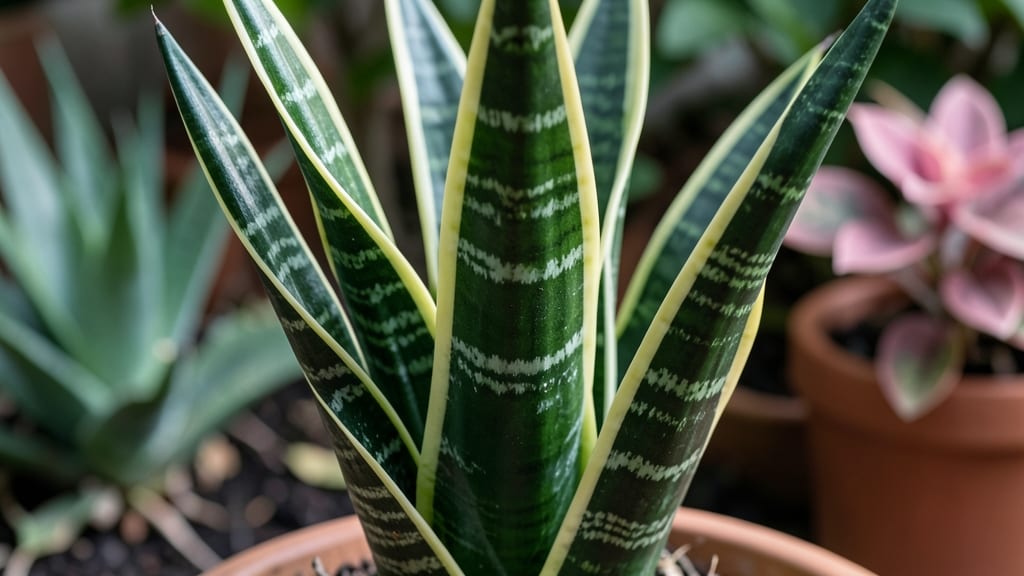
If you’ve ever glanced at your snake plant and wondered how tall do they grow in mysterious spurts—or why some varieties stretch toward the ceiling while others stay compact—you’re not alone.
The truth is, these hardy plants follow predictable growth stages, and understanding them can help you manage their height like a pro.
Most snake plants start small, reaching just 1-2 feet in their first year, but their growth habits can vary wildly based on variety and care.
Some popular types, like the classic Sansevieria trifasciata, can eventually tower to 4 feet or more, while dwarf varieties stay under 2 feet their entire lives. The key lies in maturity, light exposure, and even your pot size.
In this guide, I’ll break down exactly how tall snake plants grow at each stage—from their first year of slow, steady growth to their mature years when they might surprise you with rapid vertical expansion.
You’ll learn what factors speed up or slow down their height and how to keep them at your ideal size, whether you prefer a low, bushy look or a dramatic floor plant.
Whether you’re a beginner or a seasoned plant parent, knowing these growth patterns will help you anticipate your snake plant’s future and give it the perfect conditions to thrive. Let’s dive into the numbers and care tips that make all the difference.

Snake plant height by variety: from compact to towering growth stages
Snake plants (Sansevieria trifasciata and related species) are famous for their adaptability, but their mature heights can vary dramatically depending on the variety. Some stay compact and bushy, while others grow tall and striking.
Understanding these differences helps you choose the right plant for your space and manage its growth effectively.
Most snake plants reach their mature height between 3 and 5 years, though some dwarf varieties may slow down earlier. The key factors influencing height are genetics, light exposure, and container size. For example, Sansevieria 'Futura Superba' can tower over Sansevieria 'Hahnii', which stays close to the ground.
Here’s how popular varieties compare in terms of mature height, growth rate, and space needs:
The Sansevieria 'Hahnii' is the exception with its bushy, low-growing habit, making it perfect for small spaces like windowsills or desks. In contrast, 'Futura Superba' can reach ceiling heights if given enough light and space, so it’s better suited for larger rooms or greenhouses.
Juvenile snake plants grow slowly in their first year, often reaching only 6–12 inches. However, once they mature (typically after 2–3 years), their growth rate accelerates. For example, a 'Laurentii' might grow 6 inches in Year 1 but 12–18 inches in Year 3.
Light exposure plays a crucial role in height regulation. Snake plants in bright indirect light grow taller and straighter, while those in low-light conditions may develop longer, leggy leaves as they stretch toward light sources. If you notice your plant leaning, it’s likely not getting enough light.
Pot size also affects height. A snug container encourages bushier growth, while a large pot with excess soil can lead to taller, sparser leaves. For varieties like 'Futura Superba', choose a pot that’s only 1–2 inches wider than the plant’s base to control vertical growth.
Finally, humidity levels can influence height. Snake plants in dry air (common indoors) may grow taller as they reach for moisture. If you live in a dry climate, consider placing your plant near a humidifier or grouping it with other plants to create a microclimate.
Understanding these factors helps you predict your snake plant’s future height and adjust care accordingly—whether you want a compact desk companion or a statement indoor tree. 🌿
Snake plant height by variety: from compact to towering growth stages
Snake plants (Sansevieria trifasciata and relatives) are famous for their hardiness, but their height varies dramatically by variety. Some stay under 2 feet while others reach 4 feet or taller—even indoors!
The key difference lies in genetics, maturity, and growing conditions. Let’s break down the most common varieties and their mature height ranges so you can predict your plant’s future size.
For example, the Sansevieria 'Futura Superba' is a compact variety, rarely exceeding 18 inches in height, making it perfect for small spaces. On the other hand, the Sansevieria cylindrica can stretch up to 4 feet in ideal conditions, with some outdoor specimens reaching even taller.
Understanding these differences helps you choose the right variety for your space and care routine.
| Variety | Mature Height | Growth Rate (Years to Maturity) | Best For |
|---|---|---|---|
| Sansevieria 'Futura Superba' | 12–18 inches | 2–3 years | Small spaces, desks |
| Sansevieria trifasciata 'Laurentii' | 2–3 feet | 3–5 years | Living rooms, offices |
| Sansevieria cylindrica | 3–4 feet | 4–6 years | Large rooms, outdoor borders |
| Sansevieria 'Hahnii' (Bird's Nest) | 1–2 feet | 2–4 years | Hang baskets, shelves |
| Sansevieria 'Moonshine' | 2–3 feet | 3–5 years | Bright spaces, statement plants |
Juvenile snake plants grow slowly in their first 1–2 years, often reaching only 6–12 inches tall. However, once they hit maturity (typically 3–5 years), their growth rate accelerates.
For instance, a Sansevieria 'Laurentii' might stay under 1 foot for its first two years but shoot up to 3 feet by year five with proper care. Light exposure plays a huge role—more sun often means taller, straighter growth.
If you’re growing snake plants outdoors in USDA Zone 9 or warmer, their height potential increases significantly. Some varieties, like Sansevieria cylindrica, can double in height when planted in the ground compared to container growth.
In contrast, indoor plants in low-light conditions may stay shorter but wider, as they stretch toward light sources. This is why many gardeners use grow lights to control height and encourage bushier growth.
Another factor to consider is root-bound conditions. When a snake plant’s roots fill its pot, growth slows until you repot it. This is why many varieties stay compact in small containers but shoot up when transplanted into larger pots or the ground.
If you’re aiming for a taller snake plant, use a pot that’s at least 6 inches deeper than the plant’s current height to encourage vertical growth.
Finally, pruning habits can influence height. Regularly trimming leggy leaves encourages new, shorter growth from the base. Without pruning, older leaves may elongate excessively, making the plant look top-heavy.
For varieties like 'Futura Superba', this keeps them at a manageable 12–18 inches, while unpruned 'Moonshine' can reach 4 feet if given enough space and light.