
Companion Plants
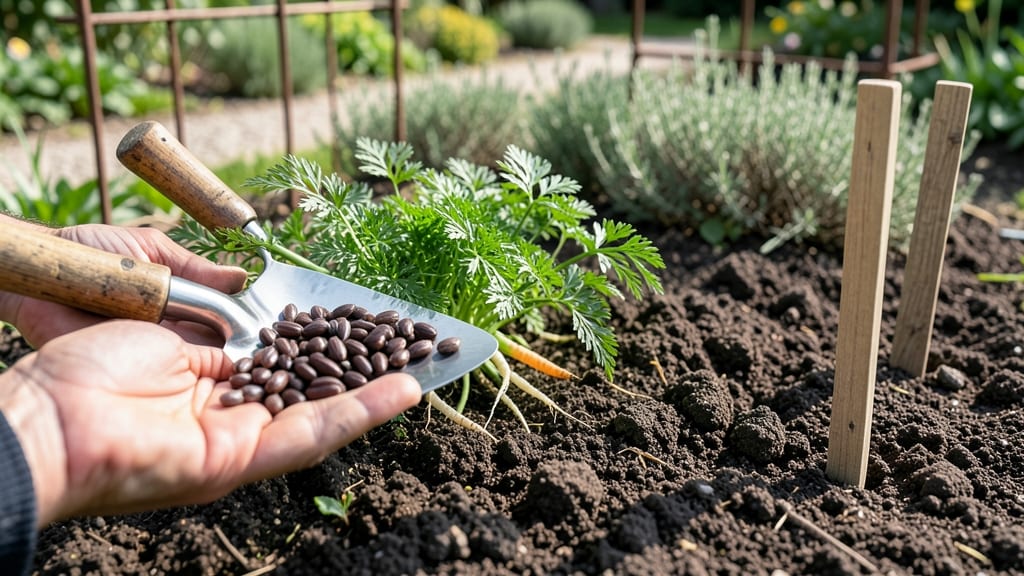
If you're wondering "when can I plant carrots in Zone 6", timing is the secret weapon for crisp, flavorful roots—because one wrong move can turn your garden into a sad, leafy mess instead of a harvest.
The good news? Zone 6 gardeners actually get two prime chances to plant 🥕: early spring and late summer, with soil temperatures playing a bigger role than you might think.
Most gardeners in Zone 6a (like me!) start seeds indoors 4-6 weeks before the last frost date—typically around early March—to get a jump on the season. But here's the catch: if you plant too early, cold soil can make seeds rot, while waiting too long risks bolting before harvest.
I'll show you exactly how to nail those windows without guessing.
What about fall plantings? That's where things get interesting—late July or August can give you a second harvest before winter sets in. The key is understanding your local frost dates and soil conditions, which I'll break down step by step.
Trust me, getting this right means the difference between pulling out perfect carrots or digging up stringy disappointments.
Ready to stop second-guessing? I'll walk you through the exact weeks before last frost that work best, plus pro tips for succession planting that keep your kitchen stocked with fresh 🥕 all season. Let's make this your most successful carrot-growing year yet.
Best planting windows for carrots in Zone 6: exact weeks before last frost
In Zone 6, the average last frost date is around April 15, but your exact timing depends on your local microclimate. For crisp, sweet carrots, aim to plant seeds 3–4 weeks before your last frost—typically in late March to early April.
This window ensures soil temperatures reach the ideal 60–70°F for germination.
Carrots are cool-season crops, so they thrive when soil is 50–60°F but won’t tolerate freezing. If you plant too early, seeds may rot in cold soil. Use a soil thermometer to confirm readiness—wait until temps stabilize above 55°F for consistent sprouting.
For a second harvest, plant a fall crop in late July to early August. This gives carrots 70–80 days to mature before the first frost (around October 15 in Zone 6). Fall-planted carrots often taste sweeter due to cooler temperatures.
| Planting Window | Soil Temp | Weeks Before Frost | Key Notes |
|---|---|---|---|
| Spring (Primary) | 60–70°F | 3–4 weeks | Plant March 15–April 1 for harvest by June–July. |
| Spring (Late) | 55–65°F | 2 weeks | Plant April 15–May 1 for harvest by July–August (shorter varieties). |
| Fall (Secondary) | 60–70°F | 10–12 weeks | Plant July 15–August 1 for harvest by October–November. |
If you’re unsure about your last frost date, check your local USDA Plant Hardiness Zone Map or use a frost calendar from your state’s agricultural extension office.
For example, Columbus, OH (Zone 6a) has a last frost around April 10, while Denver, CO (Zone 5b/6a) may delay planting until May 1.
For fastest germination, soak seeds in lukewarm water for 4–6 hours before planting. Carrots need 1/4-inch-deep, loose soil to prevent forked or stunted roots. Work in compost to improve drainage—carrots hate soggy soil!
Pro tip: Use row covers if planting in early spring to protect seedlings from light frosts (down to 25°F). Remove covers once plants are 2–3 inches tall to avoid overheating. This extends your planting window by 2–3 weeks.
In Zone 6, succession planting every 2 weeks after your initial spring sowing ensures a continuous harvest. For example, plant March 15, March 30, April 15, and May 1 for a staggered yield through July–September.
Never plant carrots where potatoes, tomatoes, or other umbelliferous plants (like parsley or dill) grew the previous year—this prevents soil-borne diseases. Instead, rotate with beans, lettuce, or onions to keep your soil healthy.
With these timing tips, you’ll avoid bolting (premature flowering) and frost damage, ensuring a bounty of homegrown carrots all season long. 🥕
How to extend your carrot harvest in Zone 6: succession planting and fall crops
To enjoy homegrown carrots well beyond summer, succession planting is your secret weapon in Zone 6. By staggering plantings every 2 weeks after your initial spring sowing, you’ll create a continuous harvest from June through October.
For example, start with your first batch in late March, then follow up with plantings on April 15, May 1, and May 15—each batch matures just as the last one is ready for harvest.
For fall crops, focus on late July to early August plantings. This timing ensures carrots reach maturity before first frost (around October 15 in Zone 6). Choose short-day varieties like 'Danvers' or 'Nantes', which tolerate cooler temps better than long-day types.
These fall-planted carrots often develop sweeter flavors due to cooler nighttime temperatures.
🌱 Step-by-Step Succession Planting Guide
- Start with spring planting in late March (3–4 weeks before last frost).
- Plant every 2 weeks until early June for staggered harvests.
- For fall crops, sow seeds in late July to early August.
- Use row covers in September to extend harvest into October.
- Thin seedlings to 2–3 inches apart to prevent crowding and forked roots.
Preparing your soil for fall carrots is critical. Work in 2–3 inches of compost to improve drainage and loosen heavy clay soils that can cause forked roots. Test your soil’s pH level—carrots thrive in neutral to slightly acidic soil (pH 6.0–7.0).
If your soil is too alkaline, add sulfur or peat moss to adjust it before planting.
Protecting late-season carrots from early frost is easier than you think. Use floating row covers or low tunnels to shield plants from temperatures below 28°F. These simple tools can extend your harvest by 2–3 weeks in Zone 6. Just
If you’re short on space, consider container growing. Deep pots (at least 12 inches deep) work well for short varieties like 'Paris Market'. Fill containers with a light, sandy mix to prevent root binding. Water containers daily in summer—they dry out faster than in-ground beds.
For overwintering carrots, choose cold-hardy varieties like 'Chantenay' or 'Purple Haze'. Plant in late August and mulch heavily with straw or leaves to insulate roots.
Harvest as needed through winter, being careful not to disturb the soil too much. This method works best in Zone 6a, where winters are milder.
With these extended-season strategies, you’ll enjoy fresh carrots from June through November—or even longer with proper protection. The key is planning ahead and adapting to your local climate. Happy growing! 🌿