
Plants
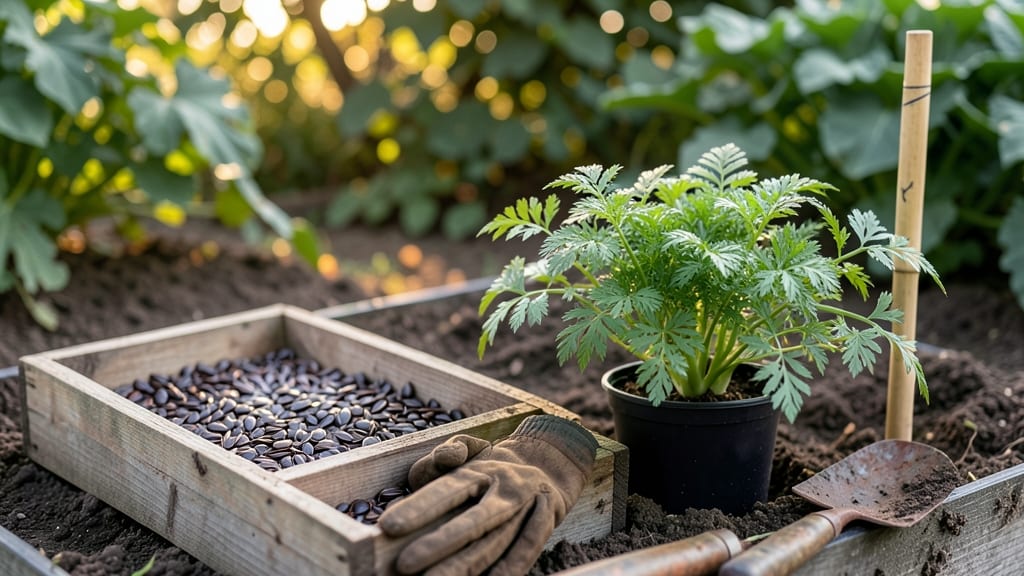
Knowing when to plant carrots in Zone 6a makes the difference between crisp, sweet roots and bitter, stunted failures. The wrong timing can leave your 🥕 seedlings struggling through frost or your mature carrots bolting before harvest—both frustrating setbacks for any home gardener.
In Zone 6a, where frost lingers until mid-April and returns by mid-October, the window for success is narrow but precise. Spring planting starts as soon as soil warms to 50°F, typically in early March, while fall planting offers a second chance in late July.
But timing isn’t just about dates—it’s about soil temperature, variety selection, and even the moon’s phase for some gardeners.
What if you could stretch your harvest season and avoid the "all-or-nothing" risk of planting just once? The answer lies in succession planting, a strategy that lets you sow new seeds every 2-3 weeks for a steady supply of fresh carrots.
I’ll show you exactly how to sync these plantings with Zone 6a’s climate to maximize your garden’s potential.
Whether you’re a first-time gardener or a seasoned pro, mastering these techniques will give you the confidence to grow carrots that are sweeter, straighter, and more abundant than ever before. Let’s get your Zone 6a garden on the right track.
Best planting windows for carrots in Zone 6A: spring vs fall schedule
Carrots thrive in Zone 6A when planted during two key windows: early spring and late summer. These timing strategies ensure your roots mature before frost threats or bolting (premature flowering).
Spring planting gives you a summer harvest, while fall planting often produces sweeter, more flavorful roots before winter sets in.
For Zone 6A, the last average frost date is around April 15, and the first frost typically arrives October 15. Aim to plant carrots 2-3 weeks before your last frost for spring crops or 8-10 weeks before your first frost for fall crops.
This timing aligns with soil temperatures reaching at least 50°F, ideal for germination.
Here’s a quick reference for soil temperature thresholds and planting windows in Zone 6A:
| Planting Window | Soil Temp Requirement | Ideal Months | Frost Risk |
|---|---|---|---|
| Early Spring | 50-60°F | March-April | Low (after last frost) |
| Late Summer | 55-65°F | July-August | Moderate (harvest before frost) |
Spring planting (March-April) is your safest bet for a summer harvest. Start seeds indoors 4-6 weeks before transplanting or sow directly into well-drained soil once temperatures stabilize. Use early-maturing varieties like ‘Early Nantes’ or ‘Paris Market’ to avoid bolting in Zone 6A’s warm summers.
Fall planting (July-August) often yields sweeter carrots because cooler soil temperatures slow growth, concentrating sugars. Choose bolting-resistant varieties like ‘Danvers Half Long’ or ‘Chantenay’. Plant seeds 8-10 weeks before your first frost to ensure roots mature before winter. Mulch heavily to insulate soil and protect crops.
Adjust planting dates based on microclimates in your Zone 6A area. South-facing beds warm up faster in spring, while north-facing spots may need delayed planting. Always test soil temperature with a soil thermometer—carrot seeds need consistent warmth to germinate evenly.
For extended harvests, consider succession planting every 2-3 weeks during spring and fall. This method ensures a steady supply of fresh carrots and reduces the risk of overcrowding or pest outbreaks. Pair carrots with companion plants like leeks or rosemary to deter carrot flies and improve growth.
Pro Tip: If your Zone 6A spring is unusually cold, use row covers to protect seedlings. For fall, black plastic mulch can warm soil and jumpstart growth. Always monitor moisture levels—carrots need consistent watering to prevent forking or woody textures. Aim for 1 inch of water per week, delivered in the morning to reduce fungal risks.
By mastering these planting windows, you’ll enjoy crisp, flavorful carrots from early summer through late fall—no more store-bought bland roots! 🥕
Best planting windows for carrots in Zone 6A: spring vs fall schedule
Zone 6A gardeners know timing determines whether your carrots grow sweet and straight or bitter and forky. The last frost date around April 15 signals the start of your spring planting window, while fall planting in late summer extends your harvest until frost.
Let’s break down the ideal schedule to maximize your yield.
For spring carrots, aim to sow seeds 2-4 weeks before your last frost—typically mid-March to early April in Zone 6A. Soil temperatures should reach 50°F (10°C) for consistent germination.
If you plant too early, cold soil can delay sprouting, leaving seedlings vulnerable to frost damage. Use row covers if nights dip below 40°F (4°C).
| Season | Planting Window | Soil Temp | Harvest Time |
|---|---|---|---|
| Spring | Mid-March to early April | 50°F (10°C)+ | July–August |
| Fall | Late July–early August | 60°F (15°C)+ | October–November |
Fall-planted carrots often taste sweeter because cooler weather concentrates sugars. Start seeds 8-10 weeks before your first frost (around July 20–August 5 in Zone 6A). Choose bolting-resistant varieties like 'Danvers' or 'Nantes', which handle shorter days better. Avoid planting too late—carrots need 60–70 days to mature before frost hits.
Pro tip: Test your soil before planting—carrots thrive in loamy, rock-free soil with a pH of 6.0–7.0. Amend heavy clay with compost or sand to prevent forking. If your soil stays cold late into spring, opt for early-maturing varieties like 'Paris Market' (50 days) to beat the rush.
For extended harvests, try a mix of spring and fall plantings. Early spring sowings give you baby carrots by summer, while fall crops provide storage-worthy roots for winter. Just remember: consistent moisture is key—carrots need 1 inch of water weekly, but avoid waterlogging, which causes rot.
Zone 6A’s unpredictable springs can throw off timing, so keep a planting journal to track your local frost dates and adjust next year. With the right schedule, you’ll enjoy crisp, homegrown carrots from summer through fall—no grocery store required! 🥕