Plants
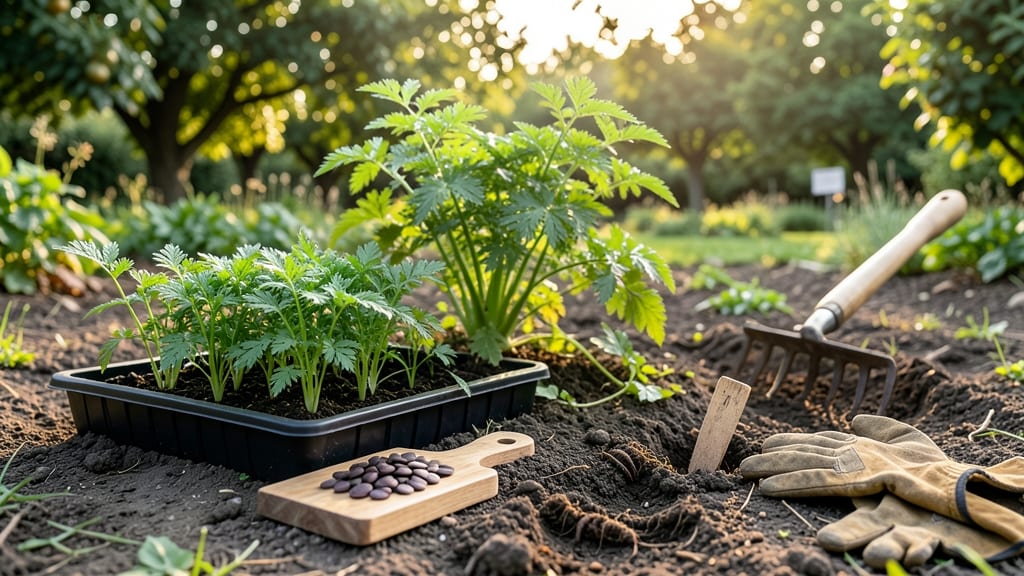
Timing your 🥕 carrot planting in Vermont isn’t just about throwing seeds in the dirt—it’s about working with the state’s short growing season and unpredictable frost dates to get that perfect harvest.
If you plant too early, seedlings might get nipped by late frosts; too late, and you’ll miss out on sweet, tender roots before winter sets in.
Most gardeners in Vermont’s 4b-5b zones know the struggle: average last frost dates hover around May 10, but that doesn’t mean you should wait.
The key is starting seeds indoors by April 15 or direct-sowing by April 30—just as soon as soil warms to 50°F—to give your 🥕 carrots a head start before summer’s heat arrives.
But here’s where it gets interesting: Vermont’s fall window is just as critical. Planting August 1 through September 15 lets you harvest into November, but choosing the right varieties—like cold-hardy ‘Danvers’ or early-maturing ‘Paris Market’—can mean the difference between a bountiful harvest and a patchy one.
I’ll break down the exact frost-free windows, soil prep tips, and variety timing so you can avoid common mistakes and enjoy homegrown 🥕 carrots from June through October—no guesswork required.
Vermont’s carrot planting calendar: frost dates & soil temperature guide
Timing your carrot planting in Vermont starts with understanding the frost-free window—typically May 10 to October 1. With only 150-180 frost-free days, choosing the right planting dates ensures you avoid both early frosts and summer heat stress.
Vermont’s Zone 4b-5a climate means soil temperatures must reach at least 50°F before seeds germinate reliably.
For spring plantings, aim for April 15 to May 30, once soil warms to 50°F+. Fall plantings should start August 1 to September 15, allowing roots to mature before the first frost.
Using a soil thermometer helps verify readiness—cold soil delays germination, while hot soil (above 85°F) causes poor root development.
| Stage | Action | Notes |
|---|---|---|
| Spring Planting | April 15–May 30 | Soil must reach 50°F+; use row covers if early frost risk. |
| Fall Planting | August 1–September 15 | Choose fast-maturing varieties; harvest before October 1 frost. |
| Soil Prep | 2–4 weeks before planting | Loosen soil to 12 inches deep; remove rocks to prevent forking. |
| Germination | 7–14 days | Keep soil consistently moist; seeds need darkness to sprout. |
| Thinning | 3–4 weeks after sprouting | Space seedlings 2–3 inches apart to prevent root competition. |
Vermont’s historical frost dates vary by microclimate—mountain regions (like the Northeast Kingdom) experience frost 2–3 weeks later than valleys (e.g., Burlington). Check your local USDA Plant Hardiness Zone map and add 7–10 days to average frost dates for safety.
For example, if your last frost is May 15, plant by April 25 to ensure roots mature before summer heat.
To calculate your exact planting window, subtract the days to maturity of your chosen variety from your first frost date. For instance, a 60-day variety planted by June 1 risks bolting (flowering prematurely) before harvest.
Use early-maturing varieties (45–55 days) for late spring or early fall plantings to avoid this issue.
Soil temperature is just as critical as air temperature. Test it with a soil thermometer—carrot seeds won’t germinate below 50°F, and growth slows below 60°F.
In Vermont’s cool springs, consider warm-season varieties like ‘Danvers’ or ‘Nantes’ for better success. Mulch with straw or leaves to stabilize soil temps and retain moisture.
For succession planting, sow seeds every 2–3 weeks from April to July. This ensures a continuous harvest from June through October. In fall, focus on fast-maturing varieties (e.g., ‘Paris Market’) to harvest before the first frost.
Avoid planting after September 15, as roots won’t have enough time to mature before cold weather.
Pro tip: Use a planting calendar or garden journal to track your local frost dates and soil temps. Vermont’s unpredictable weather means flexibility is key—always have row covers or cold frames on hand to protect seedlings if late frosts hit.
With the right timing, you’ll enjoy crisp, homegrown carrots all season long!
🌱
Best carrot varieties for Vermont’s short season & how to time them
Vermont’s short growing season (just 150-180 frost-free days) demands fast-maturing varieties and smart timing. The wrong choice means small, woody roots or wasted effort. I’ve grown over 10 varieties here—some thrived, others flopped. Let’s focus on the top 5 winners and exactly when to plant them for maximum harvests.
For spring plantings, prioritize early-maturing varieties (45-55 days) to beat late May frosts. My go-to is ‘Paris Market’, a round heirloom that reaches harvest in just 50 days.
Plant these April 15–May 1 for a June harvest before summer heat stresses the roots. Mid-season varieties like ‘Nantes’ (60 days) can handle late May starts but need row covers if nights dip below 50°F.
| Variety | Days to Maturity | Spring Planting Window | Fall Planting Window | Vermont Notes |
|---|---|---|---|---|
| ‘Paris Market’ | 50 days | April 15–May 1 | August 15–September 1 | Sweet, round roots; ideal for succession planting. |
| ‘Danvers’ | 65 days | April 20–May 10 | August 1–August 15 | Cold-hardy; stores well for winter harvests. |
| ‘Little Finger’ | 45 days | April 15–April 30 | August 10–August 25 | Perfect for container gardening; harvests tiny, sweet roots. |
| ‘Chantenay’ | 60 days | April 25–May 15 | August 5–August 20 | Resists forking in rocky soil; great for heirloom gardens. |
| ‘Rainbow’ (Mixed) | 55 days | April 20–May 5 | August 10–September 1 | Colorful roots add visual appeal; plant in full sun. |
Fall plantings are trickier but rewarding. Aim for varieties that mature before the first frost (October 1). My ‘Danvers’ plants from early August still produced crisp roots in mid-October—even after a light frost.
For late-season harvests, try ‘Nantes’ planted August 15–September 1; it tolerates cool soil better than most.
Pro tip: Succession planting every 2 weeks from April 15–May 30 gives you continuous harvests through October. Start with ‘Little Finger’ (fastest) and follow with ‘Paris Market’ and ‘Chantenay’. In fall, space plantings 3 weeks apart starting August 1 to stagger ripening.
Avoid long-season varieties like ‘Imperator’ (70+ days) unless you’re using a cold frame. They’ll bolt or rot before maturing in Vermont’s climate. Stick to short-season types, and you’ll enjoy sweet, homegrown carrots from June through November.
🥕