
Flowers
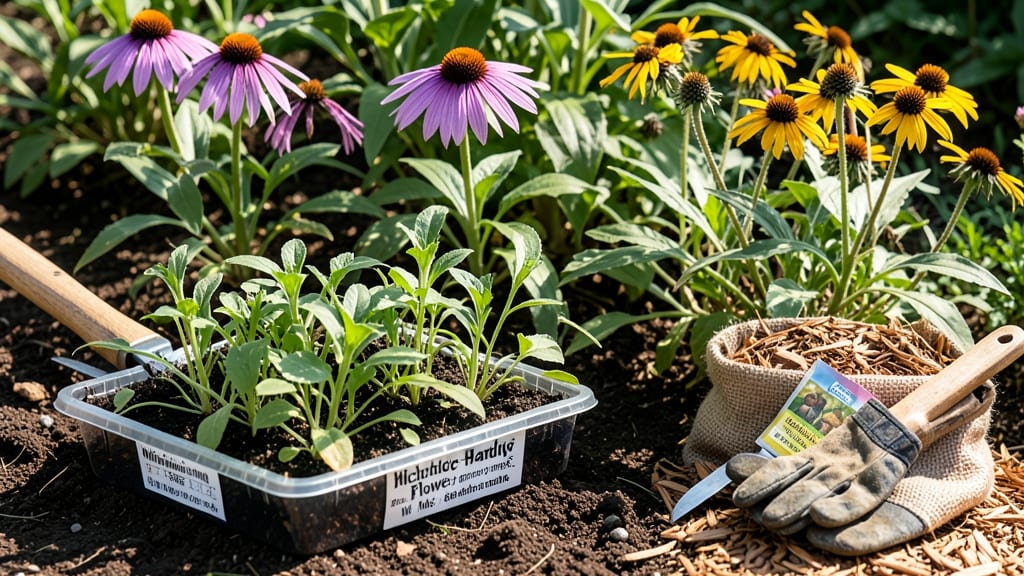
Timing your flower planting in Michigan isn’t just about luck—it’s the key to vibrant blooms or wasted effort. With frost dates shifting from Mid-April in the south to May in the north, getting it wrong can mean the difference between a showstopping garden and a sad, frost-killed disappointment.
I’ve spent years testing what works in Michigan’s 5b-6b zones, and the secrets aren’t just about waiting for the last frost. It’s about understanding cool-season vs. warm-season flowers, soil temperatures, and even microclimates that can push your planting window earlier or later.
Let me show you exactly when to plant—whether you’re dreaming of 🌸 pansies in spring or sunflowers in summer.
You’ll discover the ideal planting windows for annuals, perennials, and bulbs, plus how to extend your season with cold-hardy varieties and simple protection tricks. No more guessing—just a foolproof plan tailored to Michigan’s unpredictable weather.
Ready to turn your garden into a blooming success? Let’s dive into the perfect timing for every type of flower, so you can enjoy months of color without the stress.
Michigan’s frost-free zones & best flower planting dates by month
Michigan’s diverse climate zones—ranging from USDA Zone 5b in the north to Zone 6a in the south—create unique planting windows for flowers. The last frost date determines whether you can plant warm-season bloomers like marigolds or stick to cool-season favorites like pansies.
In the Upper Peninsula, frost lingers until mid-May, while southern Michigan sees its last frost as early as late April. Planning ahead ensures your garden thrives, not just survives.
For annual flowers, timing is everything. Plant cool-season varieties 4–6 weeks before your average last frost date to give them time to establish roots. Warm-season flowers, however, need to wait until soil temperatures reach at least 60°F and the risk of frost has passed.
This guide breaks down the best planting windows for both groups, tailored to Michigan’s regions.
| Zone (USDA) | Last Frost Date (Avg.) | Cool-Season Flowers (Plant 4-6 Weeks Before Last Frost) | Warm-Season Flowers (Plant After Last Frost) | Exception Varieties (Tolerate Light Frost) |
|---|---|---|---|---|
| 5b (Northern MI) | May 15–20 | Pansies, Snapdragons, Sweet Alyssum | Petunias, Zinnias, Sunflowers | Calendula, Stock |
| 6a (Southern MI) | April 20–May 5 | Violas, Dianthus, Sweet Peas | Geraniums, Impatiens, Cosmos | Purple Coneflower |
🌱 Pro Tip: Use Michigan State University’s Frost Date Map to pinpoint your exact last frost date.
If you’re in Zone 6a, you can start planting cool-season flowers as early as mid-March under row covers.
For Zone 5b, wait until late April to avoid frost damage. Warm-season flowers like petunias and zinnias should never go into the ground before mid-May in northern Michigan, but southern regions can plant them as early as late April.
For perennial flowers, timing varies. Hardy perennials like black-eyed Susans and daylilies can be planted in early spring or fall, but tender perennials like canna lilies need to wait until after the last frost. Always check the specific variety’s hardiness zone to avoid disappointment.
Don’t forget about fall planting! Many flowers, like pansies and snapdragons, thrive when planted in early September. This gives them time to establish roots before winter, so they bloom beautifully in early spring.
Just be sure to plant at least 6 weeks before your first frost date.
Local microclimates can shift planting windows by 1–2 weeks. A south-facing wall or urban heat island might allow you to plant earlier, while shady spots or low-lying areas could delay your planting. Always monitor local weather forecasts and adjust your timeline accordingly.
For container gardening, you have more flexibility. Potted flowers can be moved indoors or to sheltered spots if frost threatens. However, in-ground plantings are more vulnerable, so plan accordingly. Use frost cloths or row covers to protect tender seedlings if late frosts are forecasted.
Finally, soil temperature matters just as much as air temperature. Use a soil thermometer to confirm that your soil is warm enough for warm-season flowers. Most need soil temps of 60°F or higher to germinate properly.
If your soil is still cold, wait a few more days or use black plastic mulch to warm it up faster.
With these Michigan-specific planting guidelines, you’ll be well on your way to a blooming, vibrant garden that thrives all season long. Happy planting! 🌷
How to extend your Michigan flower season: cold-hardy varieties & protection tips
Michigan’s short growing season doesn’t mean you have to miss out on vibrant blooms. With the right cold-hardy varieties and protective strategies, you can extend your flower season by 3–4 weeks or even longer. I’ve planted pansies in March and cosmos in October with success—here’s how you can too.
Start by selecting frost-tolerant annuals that thrive in cooler temperatures. These varieties can handle light frosts and even brief sub-freezing temps, giving you a head start on the season. Pair them with season-extending tools like row covers or cloches to shield delicate seedlings from unexpected late frosts.
🌱
Pansies (Zone 3+) bloom in cool weather and come in vibrant colors. Snapdragons (Zone 7+) tolerate light frost, while Sweet Alyssum (Zone 7+) attracts pollinators early. Calendula (Zone 6+) and Stock (Zone 3+) add cheerful yellows and whites.
Use black plastic mulch to raise soil temps by 5–10°F. Straw bales or DIY cold frames (wooden boxes with clear plastic lids) create microclimates perfect for early seedlings. I’ve seen soil temps rise 15°F in just a few days with these methods!
Row covers (floating fabric) protect from light frost and wind, while cloches (glass/plastic domes) shield from heavy frost and extend the season by 3–4 weeks. Use row covers for broadcast sowing and cloches for individual plants like lettuce or early flowers.
For fall planting, focus on cold-hardy perennials like coneflowers, black-eyed Susans, and sedum. These thrive when planted in early September, giving roots time to establish before winter. Pair them with mulch to insulate soil and protect from freeze-thaw cycles.
Don’t forget to monitor weather forecasts and adjust your timing accordingly. If a hard freeze is predicted, cover your plants with burlap or frost cloth. With these strategies, you can enjoy continuous blooms from spring to fall—even in Michigan’s unpredictable climate!
☀️