
Flowers
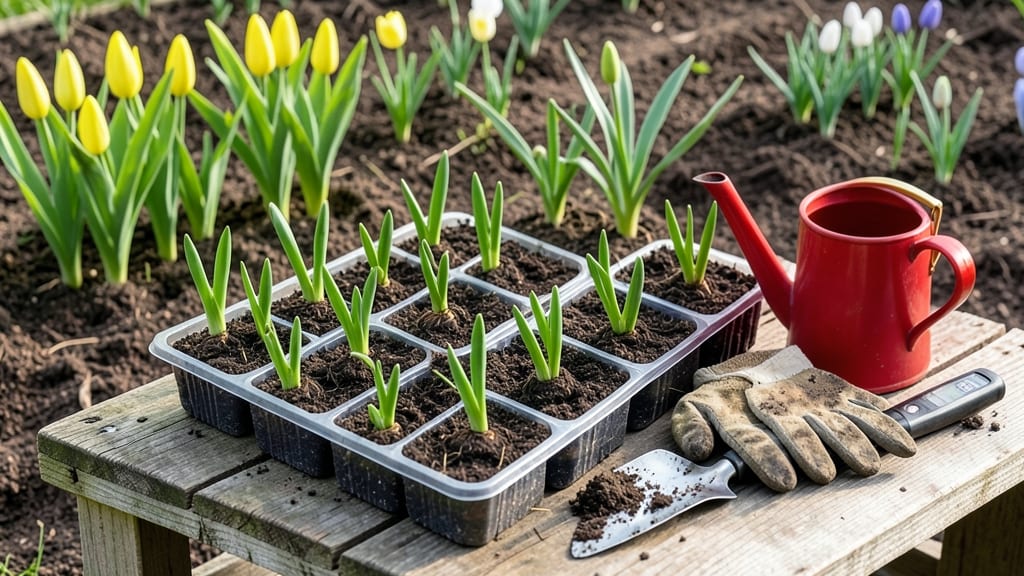
Timing your spring flower planting perfectly is the difference between a burst of vibrant blooms and a sad, frost-nipped disappointment.
The exact moment to plant depends on your local frost zone, soil temperature, and the type of flowers you're growing - and getting it wrong can mean wasted effort or stunted growth.
In Zone 6a, where many gardeners find themselves, the ideal window typically opens after your last frost date - usually between April and May.
But here's the catch: cool-season flowers like pansies and snapdragons can handle light frosts, while tender varieties like marigolds need to wait until the soil warms to at least 50°F. Understanding these nuances is what separates a beautiful garden from a gamble.
What you're about to discover isn't just about dates - it's about creating the perfect conditions for your 🌸 flowers to thrive.
We'll break down exactly when to plant different varieties, how to prepare your soil for maximum success, and the critical care steps that keep your blooms healthy from the first sprout to full maturity.
Whether you're a seasoned gardener or just starting your green thumb journey, these insights will help you avoid common mistakes and give your flowers the strong foundation they need for a season of stunning color.
Let's get your planting schedule nailed down so you can enjoy your garden at its absolute best.
Spring planting schedule by USDA frost Zones: exact weeks to plant flowers
Spring planting timing depends on your USDA frost zone and whether you're planting cool-season flowers (like pansies) or warm-season flowers (like petunias). The key rule: Wait until after your last frost date—planting too early risks frost damage, while waiting too long can delay blooms.
Let’s break it down by zone so you know the exact weeks to plant in your region.
For cool-season flowers (e.g., snapdragons, sweet peas), you can start 4-6 weeks before your last frost—often in early March for Zones 7-10 or late March for Zones 3-6. These hardy varieties tolerate light frosts and even thrive in cooler soil.
In contrast, warm-season flowers (like marigolds or zinnias) need to wait until 2-4 weeks after your last frost, when soil temperatures hit at least 60°F (15°C).
Here’s the critical detail: Soil temperature matters more than air temperature. Use a soil thermometer to confirm your garden bed is ready—most flowers need soil at 50°F (10°C) or warmer.
In Zone 3-5, this might mean waiting until late May, while Zones 8-10 can plant as early as February for some varieties.
🌱 Spring Planting Schedule by USDA Frost Zone
| USDA Zone | Cool-Season Flowers (e.g., Pansies, Sweet Peas) | Warm-Season Flowers (e.g., Petunias, Marigolds) | Soil Temp Threshold |
|---|---|---|---|
| Zones 3-5 | Late March - Early April | Late May - Early June | ≥50°F (10°C) |
| Zones 6-7 | Early March - Mid-April | Mid-April - Early May | ≥55°F (13°C) |
| Zones 8-9 | February - Early March | March - Early April | ≥60°F (15°C) |
| Zones 10+ | January - February | February - March | ≥65°F (18°C) |
⚠️ Pro Tip: Check your local last frost date (use the average date, not the earliest possible). For example, Atlanta (Zone 7b) averages its last frost on March 15, but warm-season flowers should wait until April 15.
Regional variations add another layer. In the Pacific Northwest (e.g., Zone 7-8), coastal areas like Seattle can plant cool-season flowers in February, while inland areas may wait until April due to colder nights.
Conversely, in the Deep South (Zones 9-10), you can plant warm-season flowers as early as February, but heat-sensitive varieties like cosmos may need afternoon shade until temperatures stabilize.
Don’t forget about bulbs—tulips and daffodils should be planted in fall (September-October), but spring-blooming bulbs like crocuses or hyacinths can be planted in early spring (March-April) in Zones 5-10. These thrive when soil temperatures are 40-50°F (4-10°C), so they’re perfect for early-season planting.
To extend your planting window, use row covers or cold frames for warm-season flowers in Zones 3-6. These protect seedlings from late frosts, letting you plant 2-4 weeks earlier than usual. Just remove covers when temperatures rise to 70°F (21°C) during the day to avoid overheating.
For container gardening, timing shifts slightly. Potted flowers warm up faster, so you can plant warm-season varieties 1-2 weeks earlier than in-ground plants. However, containers also dry out faster, so monitor soil moisture closely—especially in windy or sunny microclimates.
Finally, track your garden’s progress with a planting journal. Note when you planted, what bloomed first, and any frost surprises. Over time, you’ll refine your schedule to match your microclimate—whether that’s a sunny south-facing bed or a shady north corner.
Now that you’ve got your zone-specific timeline, let’s dive into the best flower types for spring planting—and how to choose the right ones for your climate. 🌸
Best flowers to plant by type: cool-season vs. warm-season timing
Not all spring flowers thrive at the same time. Cool-season flowers like pansies and snapdragons tolerate light frosts, while warm-season varieties like marigolds and petunias need soil temperatures above 60°F to flourish. Understanding these differences ensures your garden blooms beautifully without wasted effort.
Start by checking your last frost date—this determines when you can safely plant frost-sensitive flowers. In most regions, this falls between mid-April and mid-May, but cooler zones (like 3-5) may need to wait until early June for warm-season bloomers.
For cool-season flowers, you can plant 4-6 weeks before the last frost for early blooms.
🌱 Cool-season flowers (plant in early spring or fall): - Pansies - Snapdragons - Sweet Alyssum - Stock - Calendula 🌞 Warm-season flowers (plant after last frost): - Petunias - Marigolds - Zinnias - Geraniums - Sunflowers
| Flower Type | Planting Window | Soil Temp | Frost Tolerance |
|---|---|---|---|
| Cool-Season Annuals | 4-6 weeks before last frost | 40-50°F | High (tolerates light frost) |
| Warm-Season Annuals | After last frost | 60°F+ | Low (damaged by frost) |
| Perennials (e.g., Lavender, Coneflowers) | Early spring (March-April) | 50°F+ | Moderate (varies by type) |
| Bulbs (e.g., Tulips, Daffodils) | Fall (6-8 weeks before frost) | 50-60°F | High (overwinters well) |
For perennials, timing matters less than soil prep. Most thrive when planted in early spring (March-April) once the ground is workable. Amend your soil with compost or aged manure to give roots a nutrient boost—this is especially critical for heavy clay or sandy soils that drain poorly.
Bulbs are a special case—most need to be planted in fall (6-8 weeks before your first frost) to establish roots before winter. If you missed that window, spring-planted bulbs like tulips and daffodils can still bloom, but they may take 1-2 years to reach full potential. Use a bulb fertilizer at planting time for best results.
Pro tip: Succession planting warm-season flowers every 2-3 weeks ensures continuous blooms. Start with marigolds (fast-growing and pest-repellent), followed by zinnias and cosmos for long-lasting color. Always water deeply after planting to encourage strong root growth—this is the secret to vibrant, long-lasting blooms all season.