
Planting
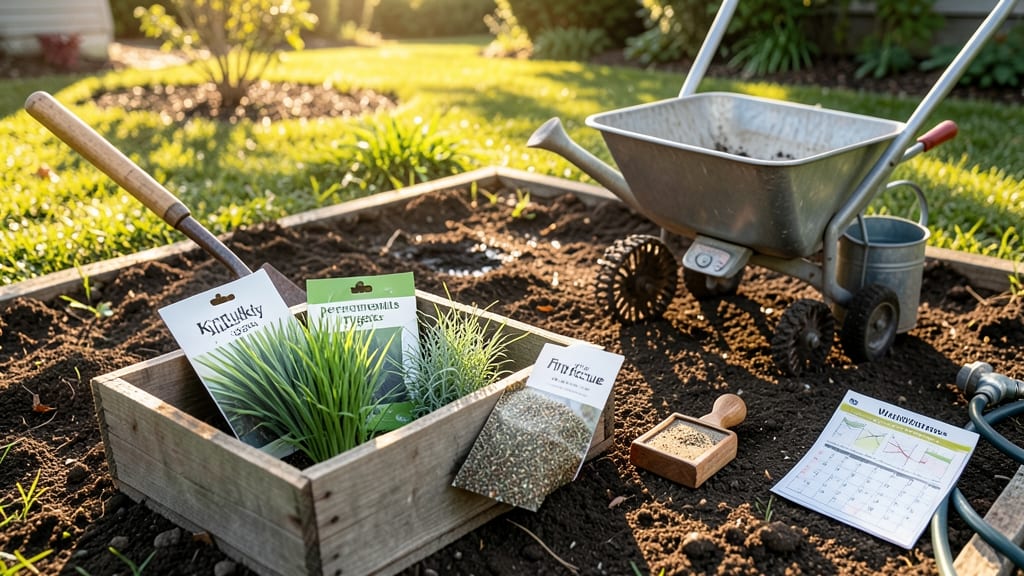
Planting your Grass Seed (Turfgrass) 🌱 at the wrong time in Wisconsin can mean the difference between a lush lawn and a patchy disappointment.
The key to success isn’t just picking a date—it’s understanding your county’s frost-free timeline, which can shift by weeks depending on where you live in the state.
Most gardeners assume early spring is the only window, but fall planting actually gives your grass a head start by establishing roots before winter. With Wisconsin’s 4a-6b zones, timing matters more than you might think—plant too early, and frost will kill your seedlings; too late, and summer heat stalls germination.
I’ll walk you through the exact March-April and September-October windows that work for your specific county, plus how to check soil temperature and avoid common mistakes that waste seed. Let’s get your lawn off to the right start.
Whether you’re in northern Wisconsin where frost lingers or southern areas where spring arrives early, this guide ensures you’ll plant at the perfect moment—no guesswork required.
Wisconsin grass seed planting timeline by county: frost-free dates & safe zones
Planting grass seed in Wisconsin isn’t just about the calendar—it’s about county-specific frost-free dates and soil temperature thresholds. Northern counties like Ashland and Iron face later last frosts (mid-May), while southern areas like Walworth and Racine can start as early as late March.
The key? Planting 2-4 weeks after your county’s average last frost date ensures your seed germinates before unexpected late frosts strike.
Wisconsin spans USDA Hardiness Zones 4a-6b, meaning microclimates vary dramatically. For example, Milwaukee (Zone 5b) has a 140-day frost-free window, while Superior (Zone 4a) only gets 120 days.
This affects both spring and fall planting windows—fall is often ideal because cooler soil temperatures reduce weed competition and establishment stress.
Here’s a county-by-county breakdown of frost-free averages and optimal planting windows. Use this as your guide to avoid wasted seed or stunted growth.
Wisconsin Grass Seed Planting Timeline by County
| County | Zone | Avg Last Frost | Spring Planting Window | Fall Planting Window |
|---|---|---|---|---|
| Ashland | 4a | May 15 | Late May - June 15 | Late Aug - Sept 15 |
| Dodge | 5a | April 20 | May 1 - May 30 | Sept 1 - Sept 20 |
| Milwaukee | 5b | April 15 | April 30 - May 20 | Sept 10 - Oct 1 |
| Walworth | 5b | April 10 | April 25 - May 15 | Sept 5 - Sept 25 |
| Superior | 4a | May 10 | Late May - June 10 | Late Aug - Sept 10 |
Note: Check NOAA’s Frost Clock for real-time updates.
For urban areas like Madison or Green Bay, frost dates can shift 3-5 days earlier due to heat islands. Meanwhile, rural northern Wisconsin often sees delayed planting because of late snowmelt and cold, wet soils.
Always verify with your local cooperative extension office—they track real-time soil temps and frost predictions.
Pro tip: Use a soil thermometer to confirm 50°F (10°C) soil temps—this is the minimum for germination. If temps dip below 40°F (4°C), your seed may rot before sprouting. In northern counties, wait until late May to avoid this risk.
Fall planting is ideal for most of Wisconsin because cooler temps reduce weed pressure and establishment stress. Aim to plant 6-8 weeks before first frost—this gives
How to adjust grass seed planting for Wisconsin’s microclimates & soil conditions
Wisconsin’s northern and southern regions can feel like entirely different climates when it comes to planting grass seed. In northern Wisconsin (zones 4a-4b), frost often lingers until mid-May, while southern areas (zones 5a-6b) may see frost-free conditions by early April.
This difference means your planting window could shift by 4-6 weeks depending on where you live.
Even within the same county, urban vs. rural areas experience different frost patterns. Cities like Milwaukee and Madison often warm up faster due to the urban heat island effect, while rural areas may stay colder longer.
Always check local NOAA frost clocks or ask your local extension office for county-specific advice.
Soil type plays a huge role too. Clay-heavy soils in northern Wisconsin drain poorly and can stay cold longer, while sandy loam in southern areas warms up quickly. If your soil stays below 50°F for too long, germination will stall—even if frost isn’t a concern.
🌡️ Key Adjustments by Region
- Northern WI (4a-4b): Wait until late April-early May for spring planting; soil must stay above 55°F for 7+ days.
- Central WI (5a): Plant mid-April to late May or late August to early September for fall.
- Southern WI (5b-6b): Early spring window opens by March 15-April 15; fall planting can extend to mid-October.
- Urban areas: Plant 1-2 weeks earlier than rural zones due to faster warming.
- Clay soils: Amend with compost or sand to improve drainage before planting.
To fine-tune your timing, use a soil thermometer—grass seed needs soil temps of at least 50°F for germination. In northern Wisconsin, this might not happen until late May, while southern areas can hit it by March. Check temps in the morning for the most accurate reading.
For fall planting, aim for 6-8 weeks before first frost (typically late August to early October). This gives seedlings time to establish roots before winter. In northern counties, this window closes by mid-September, while southern areas can plant until early October.
Don’t forget to test your soil pH—most Wisconsin lawns thrive in a 6.0-7.0 range. If your soil is too acidic or alkaline, amend it before planting. A simple home test kit or extension office analysis will tell you what adjustments are needed.