
Companion Plants
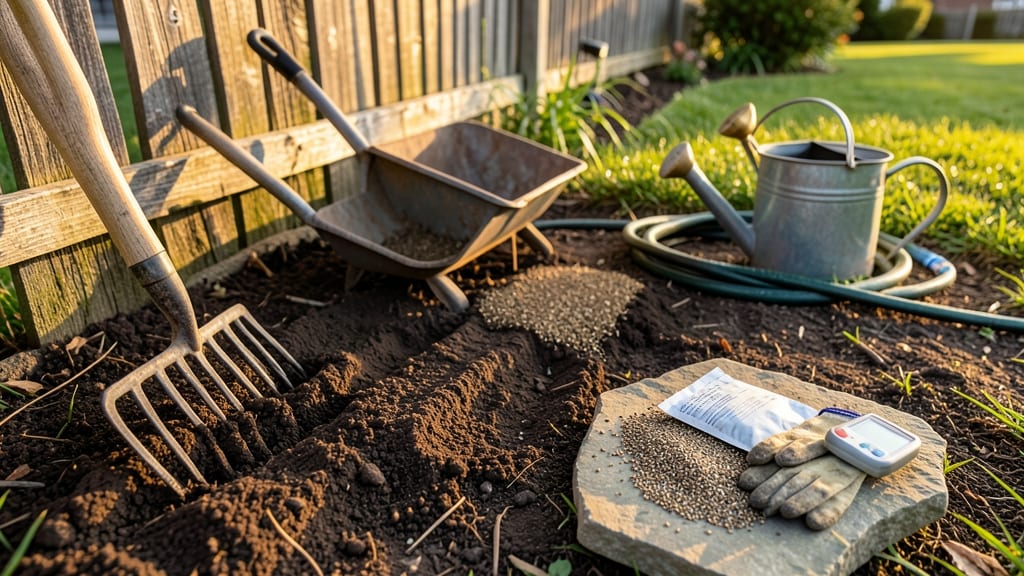
Timing your grass seed planting just right in spring can mean the difference between a lush, green lawn and patchy, weak growth.
For most regions, the sweet spot falls between 4-6 weeks before the last frost, when soil temperatures hit that perfect range of 50-65°F for cool-season grasses like fescue or bluegrass.
But here's the catch: your exact planting window depends on where you live. In cooler climates like USDA Zone 6a, aim for early spring—think March or early April—while warmer southern areas can wait until late April or May.
Getting this timing right ensures your 🌱 grass seeds germinate strong, not weak.
I’ve seen firsthand how a few weeks too early or late can throw off the whole process. Too soon, and frost will kill your tender sprouts; too late, and summer heat will dry them out before they take hold.
Let’s break down the exact steps to nail your planting window for a lawn that’ll be the envy of the neighborhood.
You’ll also discover how to prep your soil, adjust for your local climate, and avoid common pitfalls that sabotage even the best-laid plans. Ready to grow that perfect lawn? Let’s get started.
Best spring weeks before last frost for planting grass seed (by region)
Planting grass seed at the wrong time in spring can leave you with weak germination or frost damage. The ideal window is 4-6 weeks before your last frost date for cool-season grasses like Kentucky Bluegrass or Fescue. This timing ensures seeds sprout before summer heat arrives.
For warm-season grasses (e.g., Bermuda or Zoysia), wait until 2-4 weeks before last frost—they need warmer soil (60°F+) to germinate. Your local USDA zone and microclimate (shade vs. sun) also matter.
Here’s how to adjust timing based on your region and grass type:
| Region | Grass Type | Best Planting Window | Soil Temp Goal |
|---|---|---|---|
| Northern US (Zones 3-5) | Cool-season (Bluegrass, Fescue) | 4-6 weeks before last frost | 50-55°F (10-13°C) |
| Southern US (Zones 7-10) | Warm-season (Bermuda, Zoysia) | 2-4 weeks before last frost | 60-65°F (15-18°C) |
| Mountain/High Altitude | Cool-season (Ryegrass) | 6-8 weeks before last frost | 45-50°F (7-10°C) |
| Shady Lawns | Fine Fescue | 3-5 weeks before last frost | 50-55°F (10-13°C) |
Check your last frost date using the National Weather Service or Old Farmer’s Almanac. For example, if your last frost is April 15, plant cool-season grass by March 1-15.
In shady areas, delay planting by 1-2 weeks—cooler soil takes longer to warm. Use a soil thermometer ($10 at garden centers) to confirm readiness. Aim for consistent temps above 50°F for 5+ days.
If you’re in the Southern Hemisphere (e.g., Australia, New Zealand), reverse the timing: Plant in late winter to early spring (August-September) for cool-season grasses or early spring (September-October) for warm-season types.
Pro tip: Cover seeds with ¼-inch of soil and a thin layer of straw mulch to retain moisture and protect from erratic spring temps. This small step boosts germination by 30-40%.
After planting, keep soil moist but not soggy—water lightly daily for the first 2 weeks. Avoid heavy foot traffic until grass reaches 3 inches tall to prevent seed displacement.
🌱
How soil temperature affects grass seed germination (and when to adjust)
Grass seed germination hinges on soil temperature, not just air temperature. Cool-season grasses like Kentucky Bluegrass and Fescue thrive when soil reaches 50-65°F (10-18°C), while warm-season varieties such as Bermuda or Zoysia need 60-75°F (15-24°C) to sprout reliably.
Planting too early in cold soil can delay germination by weeks, leaving your lawn vulnerable to weeds.
To check soil readiness, use a soil thermometer—insert it 2 inches deep in the ground on a sunny day. If temperatures fluctuate wildly (e.g., 40°F mornings but 70°F afternoons), wait a few days.
Southern regions often hit ideal temps by early March, while northern areas may need to wait until late April.
If soil temps spike too early (e.g., 70°F+ in February), cover newly seeded areas with lightweight row covers or straw to prevent premature drying or fungal risks. Conversely, if frost threatens after planting, use burlap mulch to insulate seeds until soil warms consistently.
Soil Temperature Ratings for Grass Germination
For cool-season grasses, aim for 50°F+ soil for 7+ consecutive days before planting. Use a seed starter fertilizer to boost early root growth if temps are borderline. Warm-season grasses, however, should wait until soil is consistently above 60°F—planting earlier risks seed rot or poor establishment.
Pro tip: If your region experiences spring temperature swings, opt for slow-release grass seed blends. These seeds germinate over a broader temperature range, giving you a 2-3 week buffer for planting flexibility. Pair this with mulching to stabilize soil moisture and temperature.
Monitor your local USDA Plant Hardiness Zone and historical frost data to refine your timing. For example, Zone 5 gardeners should plant 4-6 weeks before last frost, while Zone 8 can start as early as February in sheltered microclimates.
Adjust for shady spots, which stay cooler and may need a 2-week delay.