
Planting
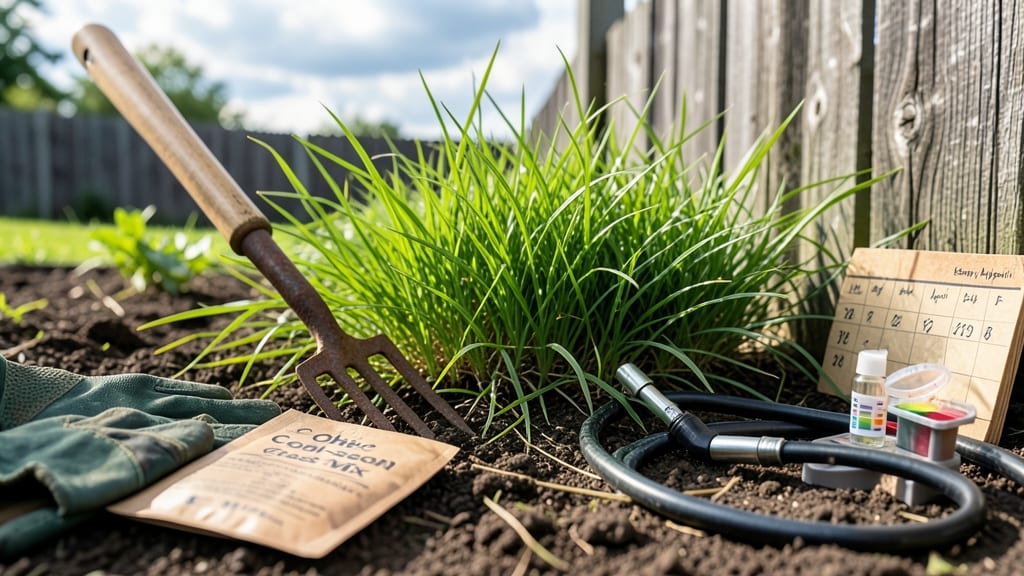
Ohio’s last frost dates by microclimate: when to plant grass seed for best results
Ohio’s diverse climate means your last frost date can vary by 1-2 weeks depending on whether you’re in northwest Ohio or southern Ohio.
For a lush lawn, aim to plant cool-season grasses (like Kentucky bluegrass) 4-6 weeks before your area’s last frost—typically mid-March to early April in most regions. Warm-season grasses (like Bermuda) prefer late spring, but they’re less common in Ohio’s climate.
Northern Ohio (e.g., Cuyahoga County) tends to have earlier frosts, with last frost dates around April 15. Southern Ohio (e.g., Hamilton County) often sees frost 1-2 weeks later, around April 22.
Urban areas like Columbus may experience microclimates with slightly later frosts due to heat absorption from buildings.
To maximize germination, focus on soil temperature rather than just calendar dates. Cool-season grasses thrive when soil is between 50°F and 65°F. Use a soil thermometer to confirm readiness—planting too early in cold soil can delay sprouting.
Ohio’s fall planting window is just as critical. Late summer to early fall (typically August 15 to September 15) gives grass roots time to establish before winter. This second planting window often yields thicker, greener lawns because spring weeds compete less with young grass.
Here’s how Ohio’s regions break down for ideal planting windows:
| Region | Last Frost Date | Best Spring Planting Window | Best Fall Planting Window |
|---|---|---|---|
| Northern Ohio (e.g., Cleveland, Toledo) | April 10–15 | March 15–April 1 | August 20–September 10 |
| Central Ohio (e.g., Columbus) | April 15–20 | March 20–April 5 | August 25–September 15 |
| Southern Ohio (e.g., Cincinnati, Dayton) | April 20–25 | March 25–April 10 | September 1–15 |
| Urban Heat Islands (e.g., Columbus city center) | April 22–28 | March 30–April 15 | September 5–20 |
If you’re in a transition zone (like northeast Ohio near Pennsylvania), err on the side of planting later in spring to avoid frost damage. For fall planting, aim to finish by mid-September to allow roots to establish before winter dormancy.
Pro tip: Check the Old Farmer’s Almanac or your local Cooperative Extension office for yearly frost predictions. Ohio’s climate shifts yearly, and a 2-week delay can mean the difference between successful germination and failed growth.
Remember, cool-season grasses dominate Ohio lawns, so focus on Kentucky bluegrass, tall fescue, or fine fescue blends. These varieties thrive in Ohio’s humid summers and cold winters, making them the best choices for most homeowners.
Once you’ve nailed your planting window, the next step is ensuring your soil temperature and moisture levels are perfect for germination. We’ll cover that in the next section!
How soil temperature affects grass seed germination in Ohio’s spring and fall
Ohio’s spring and fall offer the best soil temperatures for grass seed germination, but hitting the sweet spot makes all the difference.
Cool-season grasses like Kentucky bluegrass and tall fescue thrive when soil temps sit between 50°F and 65°F, while warm-season varieties like Bermuda grass need 65°F to 75°F to sprout reliably. Planting too early or late can lead to uneven growth or even seed failure.
In Ohio, March to early April and late August to September are your prime windows for planting. These months align with soil warming trends, giving seeds the consistent moisture and moderate warmth they crave.
For example, northern Ohio’s colder microclimates (like Ashtabula County) may need to wait until mid-April, while southern Ohio (like Butler County) can start as early as late February.
| Season | Ideal Soil Temp | Ohio Planting Months | Grass Types |
|---|---|---|---|
| Spring | 50°F–65°F | March–April | Cool-season (Kentucky bluegrass, tall fescue) |
| Fall | 60°F–70°F | August–September | Cool-season (overseeding) or warm-season (late starts) |
| Summer | 65°F–75°F | May–July | Warm-season (Bermuda, Zoysia) |
To test your soil’s readiness, use a soil thermometer—dig it 2 inches deep in the shade and check temps for 3 consecutive days. If readings dip below 50°F in spring or rise above 75°F in summer, wait a week or two.
Pro tip: Morning soil temps are usually 5–10°F cooler than afternoon readings, so time your planting for early spring or late fall mornings.
Ohio’s humidity and rainfall also play a role. After sowing, aim for 1 inch of rain per week or water deeply 2–3 times weekly to keep the top 1 inch of soil moist.
A light mulch (like straw) can help retain moisture without smothering seeds. Avoid planting when heavy rain is forecasted, as it can wash seeds away or cause waterlogging.
For northern Ohio (USDA Zone 5b–6a), focus on late April to early May for spring planting, while southern Ohio (Zone 6b–7a) can start as early as March.
Fall planting should wrap up by mid-September to allow roots to establish before first frost. Use a lawn calendar or local Cooperative Extension Service for hyper-local advice.
Remember, consistency is key. If you plant in early spring and face a late frost, protect seedlings with row covers or wait until soil warms steadily. The goal? A uniform, lush lawn that starts strong and stays resilient through Ohio’s humid summers and freezing winters. 🌱