Companion Plants
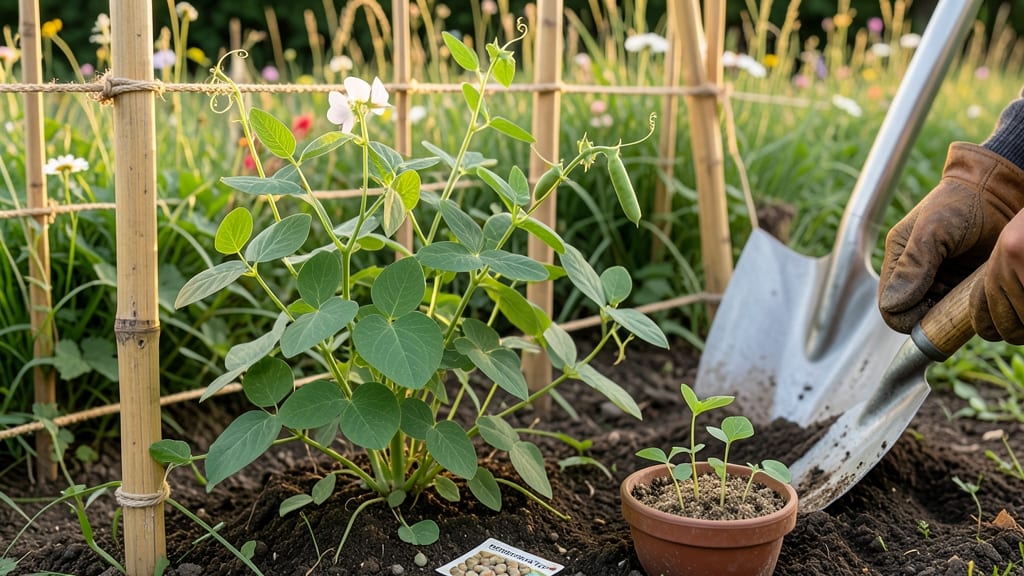
Planting peas in Zone 6 might seem tricky with its unpredictable early springs, but timing it right can mean the difference between a thriving harvest and a frost-killed disappointment.
These cold-hardy 🌱 peas are actually some of the first crops you can plant, giving you a head start on your garden's bounty.
Most gardeners in Zone 6a-6b aim for early spring planting between March and April, but there's also a sneaky second chance in late summer for a fall harvest.
The key is understanding your last frost date—typically around April 15—and preparing your soil properly to give those tender seedlings the best possible start.
I've learned the hard way that rushing peas into cold soil can stunt their growth, while waiting too long might mean missing the optimal harvest window. The good news?
With the right variety and a few smart preparation steps, you can enjoy fresh peas from your garden in just 60-70 days after planting.
Let me show you exactly when to plant for maximum success, which cold-resistant varieties perform best in your zone, and how to protect your crop from late frosts. Your first harvest could be just around the corner!
Best planting times for peas in Zone 6: early spring vs. fall options
Peas are one of the most cold-hardy vegetables you can grow, making them perfect for Zone 6's early spring planting. Unlike heat-loving crops, peas thrive in cool temperatures (40-75°F) and can even tolerate light frosts.
In Zone 6, where last frosts average April 15, timing is everything to avoid losing tender seedlings to late freezes.
Most gardeners focus on spring planting (March-April), but fall is another great option in Zone 6. Fall-planted peas mature quickly before winter sets in, giving you a second harvest when spring crops are still weeks away. The key is understanding your local frost dates and soil conditions.
For spring planting, aim to sow peas 4-6 weeks before your last frost date. In Zone 6, this typically means starting in early March in southern areas (6b) and mid-March in northern regions (6a). Use row covers if planting before March 15 to protect against unexpected frosts.
Soil temperature is critical—peas won't germinate well in cold, wet soil below 40°F. Test your soil with a soil thermometer (it should read at least 45°F at 2 inches deep).
If your ground is too cold, wait until soil warms naturally or use black plastic mulch to speed up the process.
Fall planting offers a second harvest opportunity in Zone 6. Sow peas 8-10 weeks before your first frost (around mid-August to early September). Choose early-maturing varieties (55-60 days to harvest) to ensure they finish before winter.
Avoid planting too late—peas need 60-70 days to mature, and frost will stop growth.
Zone 6 has subtle regional differences that affect planting. In northern 6a areas (like upstate New York or northern Michigan), wait until mid-April for spring planting due to later frosts. In southern 6b areas (like Virginia or Tennessee), you can start as early as late February under protection.
Pro tip: Stagger your plantings every 2 weeks in spring for a continuous harvest. This works especially well in Zone 6, where unpredictable weather can delay germination.
For example, plant one row in early March, another in mid-March, and a final row in late March to ensure success even if one batch fails.
Remember that peas are self-pollinating and don't need bees, but they do benefit from cool, moist conditions. After planting, keep soil consistently moist (but not soggy) until germination, which typically occurs in 7-14 days at optimal temperatures.
Once established, peas are surprisingly drought-tolerant but will produce better with regular watering.
🌱
Best planting times for peas in Zone 6: early spring vs. fall options
In Zone 6, peas are one of the first crops you can plant in early spring or late summer, but timing is everything. The key is to avoid late frosts while giving plants enough time to mature before summer heat sets in.
Most gardeners in Zone 6 aim to plant peas 4-6 weeks before the last frost date, which typically falls around April 15 for most areas.
Peas thrive in cooler temperatures (40-75°F) and can even tolerate light frosts once established. However, young seedlings are delicate and can be killed by hard freezes.
This makes late winter or early spring planting (as soon as soil is workable) ideal for a spring harvest, while late summer plantings (August-September) work for a fall crop before the first frost in mid-October.
Soil temperature is another critical factor. Peas germinate best when soil reaches 40-50°F. If your spring is unpredictable, consider using a soil thermometer to check before planting. In colder microclimates within Zone 6 (like northern areas), wait until soil warms to 50°F, while southern Zone 6 regions can plant earlier.
For gardeners in Zone 6a (colder sub-zone), focus on late March to early April plantings, while those in Zone 6b can start as early as mid-February in mild microclimates. Always check your local frost dates—tools like the National Weather Service or Old Farmer’s Almanac provide reliable forecasts.
Fall plantings in Zone 6 should begin 8-10 weeks before the first frost (typically by September 1). This gives peas enough time to mature before temperatures drop below 32°F (0°C). Use cold-hardy varieties like 'Lincoln' or 'Oregon Sugar Pod' for better success in cooler fall conditions.
Pro tip: If you're eager to plant early but worried about frost, try staggered plantings every 2-3 weeks. This extends your harvest window and reduces the risk of losing your entire crop to a single late frost event.
Just be sure to mulch heavily around plants to protect roots from temperature swings.