
Companion Plants
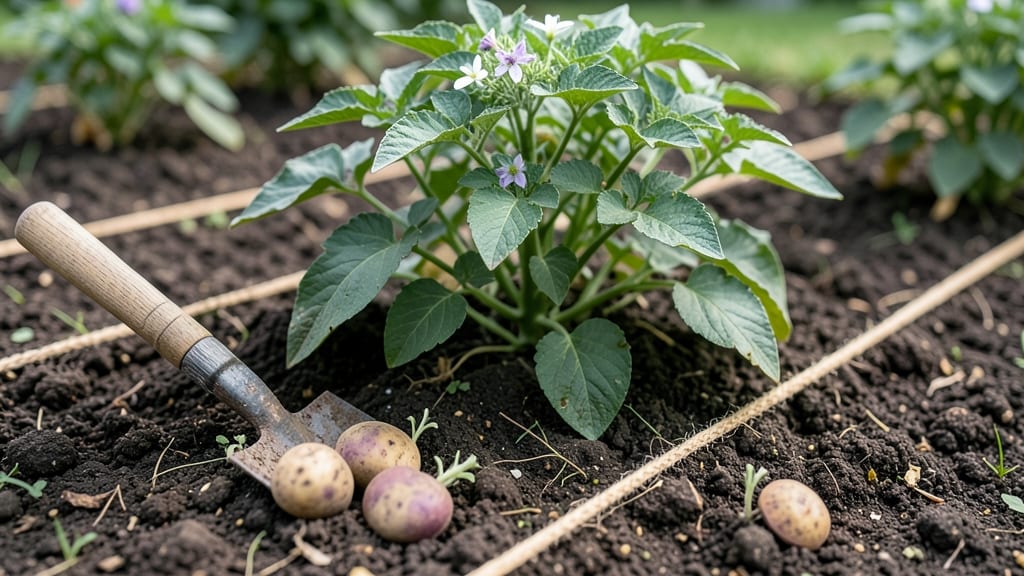
If you're asking "when can I plant potatoes in Ohio", the answer isn't just about the calendar—it's about beating frost, warming soil, and choosing the right variety for your region's quirks.
Ohio's USDA Zone 6a climate means your 🥔 could face late spring frosts or early autumn chills, and planting too soon can turn your hard work into a sad, frozen mess.
Most Ohio gardeners swear by planting seed potatoes 2-4 weeks before the last expected frost—typically between March and early April—but the trick is knowing when your soil is actually ready.
Cold, damp earth can stunt growth, so aim for 45°F or warmer at least 6 inches deep, or risk stunted tubers and disease. And yes, you can plant earlier if you're using row covers or a cold frame, but only if you're prepared to protect them.
Here's the game-changer: Ohio's short growing season means timing matters just as much as variety selection. Early potatoes like 'Yukon Gold' need to hit the ground by April 1st to mature by July, while later varieties can stretch into May planting for a fall harvest.
We'll break down exactly how to adjust your schedule based on whether you're in Columbus, Cleveland, or Cincinnati—and why planting in February might be a gamble unless you're chitting your seed potatoes indoors first.
Skip the guesswork and learn the exact frost dates, soil temp tips, and variety deadlines that Ohio gardeners use to guarantee a bountiful harvest.
Whether you're a first-timer or a veteran grower, these insights will help you avoid the most common mistakes—like planting too deep or ignoring soil warmth—that turn promising starts into disappointing yields.
Ohio potato planting calendar: spring vs fall frost dates by region
Ohio’s diverse climate—from USDA Zone 5 in the north to Zone 7 in the south—means potato planting times vary by 1-2 weeks. Most gardeners aim to plant 2-4 weeks before the last frost, but Ohio’s unpredictable spring demands flexibility.
For example, Cleveland (Zone 6a) typically plants in late March to early April, while Cincinnati (Zone 6b) can start as early as mid-February in warm microclimates. Fall planting is rare but possible in southern Ohio for late-season varieties.
Use average last frost dates as a guide, but monitor soil temperature—potatoes thrive when soil reaches 45°F. In northern Ohio, wait until mid-April; in southern Ohio, you might plant by early March.
For fall potatoes, aim for late August to early September in Zone 7 to harvest before first frost in October.
Here’s how Ohio’s regions break down for spring planting:
Pro tip: Check your local Cooperative Extension office for hyper-local frost data. For example, Columbus averages a last frost on April 10, but 2021 saw frost as late as April 25. Planting 2 weeks early in containers lets you adjust if frost lingers.
For fall potatoes, focus on early-maturing varieties like ‘Red Norland’ or ‘Yukon Gold’. Plant by August 15 in southern Ohio to harvest before frost. In northern Ohio, skip fall planting—your growing season is too short.
Ohio’s short growing season (165 frost-free days) means timing is critical. Plant too early, and cold soil stunts growth; too late, and tubers won’t mature before harvest. Use row covers to extend the season by 2-3 weeks if planting near the last frost date.
If you’re in Zone 5 (e.g., Toledo), wait until April 1 or later—earlier planting risks frost damage to emerging sprouts. In Zone 7 (e.g., Cincinnati), you can plant as early as February in a greenhouse or raised bed to jumpstart growth.
For container gardening, plant 1-2 weeks later than in-ground potatoes—containers warm up faster in spring but also dry out quicker. Use 5-gallon buckets or fabric grow bags for 1-2 potato plants per container.
Remember: Ohio’s soil temperature is more important than air temperature. Use a soil thermometer to confirm 45°F+ before planting. If your soil is below 40°F, wait—cold soil delays sprouting and increases disease risk.
🌱
How to time potato planting for maximum yield in Ohio’s climate
Ohio’s unpredictable spring weather can turn a great potato harvest into a gamble if you plant at the wrong time. The key to success? Soil temperature and frost dates. Potatoes thrive when soil reaches 45°F or warmer, which usually happens 2-4 weeks before Ohio’s last frost.
For most regions, this means planting between mid-March and early May, but timing varies by USDA zone.
If you’re eager to get started, chitting your seed potatoes (sprouting them indoors) can give you a 2-week head start. Place whole, certified seed potatoes in a cool, bright spot (like a sunny windowsill) 4-6 weeks before planting.
Once sprouts are ½-inch long, plant them with the sprouts facing up to encourage faster growth.
🚨 CRITICAL: Avoid planting too early—cold soil and late frosts can stunt growth or even kill young plants. Use a soil thermometer to confirm temperatures before planting. If frost is forecasted within 2 weeks, delay planting or use row covers for protection.
⚠️ Common Mistakes to Avoid
- Planting too early → Risk of frost damage to young plants.
- Skipping soil testing → Potatoes need pH 5.0-6.5; amend soil if needed.
- Overcrowding → Space seed potatoes 12 inches apart in rows 3 feet apart for proper airflow.
- Ignoring blight warnings → Rotate crops and avoid wet foliage to prevent early blight.
For container gardening, choose early-maturing varieties like ‘Early Girl’ or ‘Red LaSoda’ and plant in 5-gallon pots or deeper. Fill containers with light, well-draining soil mixed with compost. Containers warm up faster than garden beds, so you can plant 1-2 weeks earlier than in-ground potatoes.
Once planted, mulch heavily with straw or grass clippings to retain moisture and suppress weeds. Keep soil consistently moist but avoid waterlogging, which can cause rot. Water deeply in the morning to encourage strong root growth and reduce disease risk.
If you miss the spring planting window, don’t despair—Ohio’s short growing season allows for a fall planting in late August or early September. Choose fast-maturing varieties (like ‘Yukon Gold’) and aim to harvest before the first frost.
Just be prepared to harvest earlier and store potatoes in a cool, dark place until spring.