
Companion Plants
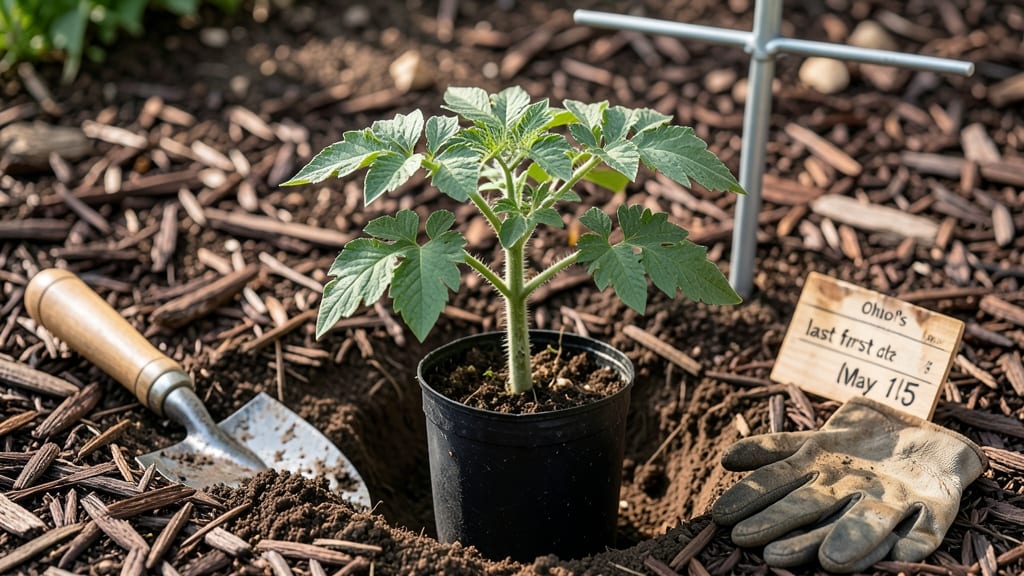
Figuring out when to plant tomatoes in Ohio can feel like playing a high-stakes game of Mother Nature’s roulette—get it wrong, and your 🍅 dreams go up in smoke with a late frost.
Ohio’s famously fickle spring weather makes timing the difference between a bumper crop and a sad, wilted disappointment.
Most gardeners in USDA zones 6a-6b wait until after the average last frost date (around April 15), but that’s just the starting line. The real secret lies in soil temperature—tomatoes need warmth to thrive, and rushing them into cold ground is a one-way ticket to stunted growth.
In this guide, I’ll break down Ohio’s frost patterns, soil warmth triggers, and the exact window (April 15–May 15) that gives your plants the best shot at success. No more guessing—just science-backed strategies to help you plant with confidence.
Whether you’re a first-time gardener or a seasoned pro, these tips will help you avoid the most common mistakes and set your tomatoes up for a juicy, productive summer. Let’s get growing!
Ohio’s frost dates & best months for planting tomatoes
Ohio’s USDA hardiness zones 5-7 create a 10-14 day window between average last frost dates across the state. In southern Ohio (like Cincinnati), you can plant as early as mid-April, while northern Ohio (like Cleveland) often waits until late April to early May.
This variation stems from Ohio’s microclimates—urban areas warm faster than rural ones, and slope orientation (south-facing slopes thaw sooner).
Use the 10-day rule after your area’s last frost date to safely transplant seedlings. This buffer accounts for late frost surprises and gives young plants time to establish roots.
For example, Columbus’s average last frost is April 15, but I wait until May 1 to play it safe with my heirloom tomatoes. Check local records via the Ohio State University Extension’s Frost Date Calculator for precision.
Direct-sown tomatoes (seeds planted outdoors) need even warmer soil—aim for 60°F+—which typically arrives 2-3 weeks after your last frost. In cooler zones, this could push planting to late May.
For container-grown tomatoes, you have 2 extra weeks of flexibility since pots warm faster than in-ground soil. My patio tomatoes often go in 10 days earlier than in-ground plants.
🌱 Ohio Tomato Planting Timeline by Region
| Region | Last Frost Date | Safe Transplant Window | Direct Sow Window |
|---|---|---|---|
| Southern Ohio (Cincinnati) | April 15 | April 25 - May 5 | May 1 - May 15 |
| Central Ohio (Columbus) | April 15 | May 1 - May 10 | May 15 - May 30 |
| Northern Ohio (Cleveland) | May 1 | May 15 - May 25 | June 1 - June 10 |
*Adjust dates 1-2 weeks earlier for urban areas or south-facing slopes. Rural areas may need 1-2 weeks later.
Microclimates in Ohio can shift planting windows by 10-14 days. A south-facing wall or black plastic mulch can warm soil enough to plant 2 weeks earlier in cooler zones.
I’ve successfully grown cherry tomatoes in Toledo (Zone 6a) by using row covers and planting on May 10, when nearby gardens waited until June. Observe your yard’s patterns for 3 years to identify your microclimate’s quirks.
For container gardening, Ohio’s shorter growing season becomes an advantage. Pots warm faster and can be moved to sunniest spots or even indoors during late frosts. My balcony tomatoes in Akron thrive when planted May 15—3 weeks earlier than my in-ground plants.
Just ensure containers have drainage holes and use lightweight potting mix to prevent overheating.
Ohio’s first frost risk (typically October 15) limits the growing season to 165 frost-free days. Choose early-maturing varieties (60-70 days to harvest) like ‘Early Girl’ or ‘Stupice’ to maximize yield.
In Zone 5b, I prioritize heat-tolerant varieties like ‘Solar Fire’ to handle Ohio’s 90°F+ summer days without stress. Pair this with succession planting every 2 weeks from May to July for continuous harvests.
Local Ohio State University Extension resources confirm that soil temperature (not air temperature) is the true indicator for tomato planting. Use a soil thermometer to verify 60°F+ for seedlings or 70°F+ for direct sowing.
In cool springs, black plastic mulch can raise soil temps by 5-10°F, creating a 2-week head start. I’ve seen tomato seedlings thrive in 50°F air temps when soil was 65°F thanks to this trick.
Extend Ohio’s tomato season by 3-4 weeks using row covers or low tunnels. These protect against late spring frosts (which can occur until May 15 in some areas) and early fall frosts (as early as September 20 in northern Ohio).
I’ve kept my ‘Brandywine’ tomatoes producing until October 10 in Zone 6b with a simple hoop house setup. Just remove covers during 90°F+ days to prevent overheating.
Soil temperature & warmth triggers for tomato success
Ohio’s spring weather can be a rollercoaster—cool mornings, warm afternoons, and sudden frost threats. But the real secret to tomato success isn’t just avoiding frost; it’s soil temperature. Tomatoes are heat-loving plants, and their roots need warmth to grow.
If you plant too early when the soil is still cold, your seedlings will linger or even rot in the ground. Aim for 60°F soil temperature for germination and 70°F+ for transplanting.
Here’s the catch: air temperature doesn’t tell the full story. A sunny 70°F afternoon might feel perfect, but if the soil is still chilly from overnight lows, your tomatoes will struggle.
Use a soil thermometer (just $10 at garden centers) to check temperatures at a 2-inch depth—this is where roots will first explore. If your soil is below 60°F, wait it out. Patience here means healthier plants and bigger harvests later.
🌱
- Stunted growth: Roots can’t absorb nutrients below 60°F, leading to weak, leggy seedlings.
- Fungal diseases: Damp, cool soil creates perfect conditions for blight and damping-off.
- Delayed fruiting: Tomatoes need warmth to set flowers and fruit—cool soil = fewer tomatoes later.
If you’re eager to get planting but your soil is still cool, don’t despair. Ohio gardeners use clever tricks to trick tomatoes into thinking it’s summer. Try black plastic mulch (lay it down 1-2 weeks before planting) or straw mulch to absorb heat.
For container growers, use dark-colored pots—they absorb and retain heat better than light colors. Even a clear plastic bottle cut in half and placed over seedlings can create a mini greenhouse effect.
Another game-changer? Hardening off your seedlings properly. If you start tomatoes indoors (which I recommend for Ohio’s short season), gradually expose them to outdoor conditions over 7-10 days before transplanting. This helps them adjust to temperature swings and reduces shock when they hit the garden.
Place seedlings in a shady spot for the first few days, then slowly increase sun exposure.
For those in northern Ohio (USDA Zone 5), where springs are cooler, consider heat-tolerant varieties like ‘Celebrity’ or ‘Better Boy.’ These varieties handle cooler soils better than heat-sensitive types like ‘Sungold.’
Pair them with row covers for the first 2-3 weeks to give them a head start. Remember, a few extra weeks of warmth at the start means bigger yields by summer.
🌡️