
Planting
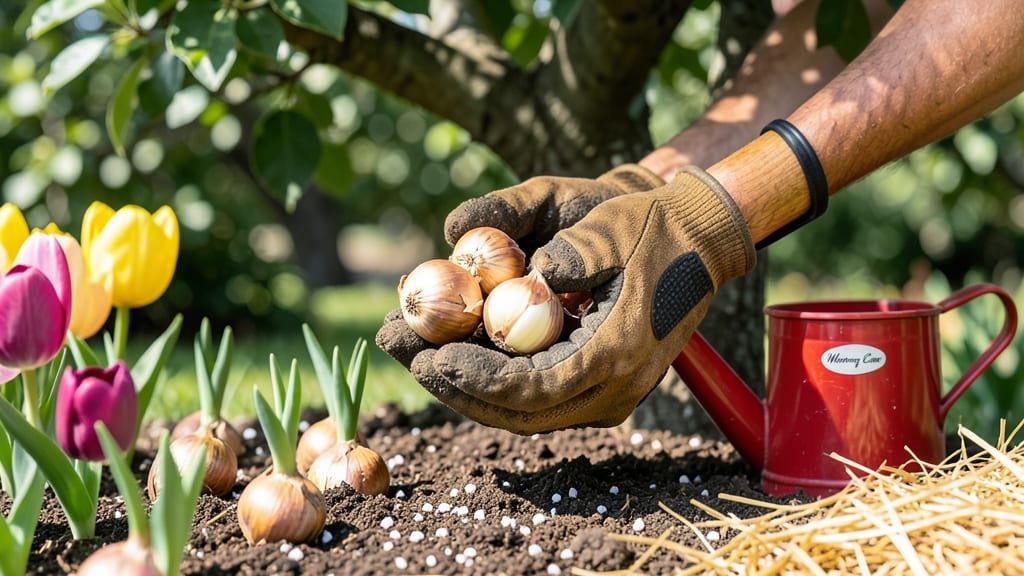
If you’ve ever planted spring bulbs 🌷 only to watch them fail to bloom—or worse, rot in the ground—you’re not alone. The secret to vibrant tulips, daffodils, and hyacinths lies in a 7-day frost-free window that most gardeners miss.
Plant too early, and frost will damage tender roots; too late, and your bulbs won’t have enough time to establish before summer heat sets in.
Timing isn’t just about guessing when spring arrives—it’s about reading your local climate. In USDA Zone 6a, like many mid-Atlantic and northern regions, the ideal window opens around mid-March and closes by late April.
But here’s the catch: soil temperature matters just as much as calendar dates. Bulbs need the ground to warm to at least 50°F before they’ll root properly.
Don’t worry if you’ve planted before and ended up with half-hearted blooms. I’ll walk you through the exact steps to nail your timing, from checking frost dates to adjusting for your specific microclimate.
By the end, you’ll know when to plant for bulbs that burst into color year after year—no more wasted effort or disappointed gardens.
The key? Planting bulbs when the ground is workable but not yet baking under the sun. That’s the sweet spot for bulbs to thrive. Let’s get your garden ready for a showstopping spring display—starting with the right timing.
The exact 7-Day frost-free window for planting spring bulbs
Planting spring bulbs like tulips and daffodils at the right time ensures vibrant blooms—but timing is everything. A 7-day frost-free window after your last spring frost is the golden rule.
Plant too early, and bulbs may rot; too late, and they won’t establish roots before summer heat. Let’s break down how to nail this window for your zone.
Your local USDA hardiness zone dictates the perfect planting window. For example, in Zone 5, aim for early April, while Zone 8 gardeners can plant as late as May.
The key is to plant when soil temps hit 50°F (10°C)—use a soil thermometer if unsure. This ensures roots grow without freezing.
Most spring bulbs need 6-8 weeks of cool soil to root before summer heat arrives. In warmer zones (7-10), plant earlier (February-March) to avoid drought stress. In colder zones (3-6), wait until after the last frost but before May 15 to prevent bolting (premature flowering).
🌱 Spring Bulb Planting Timeline by Zone
| Zone | Ideal Planting Window | Soil Temp Threshold | Key Cue |
|---|---|---|---|
| 3-4 | Mid-April to early May | 50°F (10°C) | After last frost, before May 15 |
| 5-6 | Early to mid-April | 50°F (10°C) | When daffodils bloom |
| 7-8 | February to early March | 55°F (13°C) | Before March 15 |
| 9-10 | January to February | 60°F (16°C) | After holiday season |
💡 Pro Tip: Check your local National Weather Service for frost dates—this is your planting deadline.
Missed the spring window? Don’t panic! Many bulbs like tulips and hyacinths can also be planted in fall (September-October) for next spring’s blooms. For spring planting, focus on hardier varieties like daffodils or alliums, which tolerate warmer soil better.
Always plant bulbs 2-3 times as deep as their height for stability.
After planting, water deeply to settle soil and encourage root growth. Mulch with 2-3 inches of straw to retain moisture and regulate soil temps. Avoid fertilizing until foliage emerges—this prevents root burn. In Zone 5-6, protect newly planted bulbs with a light frost cloth if late frosts linger.
Watch for green shoots in 4-6 weeks—a sign roots are established. If planted correctly, your bulbs will reward you with bold blooms by late spring. In Zone 7+, prioritize shade-tolerant bulbs like grape hyacinths to avoid heat stress. Always plant in well-draining soil to prevent rot.
For a foolproof method, plant bulbs in containers if your ground freezes late. Use a potting mix with perlite and place pots in a sheltered spot. This gives you 2-3 extra weeks of flexibility. Container-grown bulbs also make stunning patio displays and can be moved to protect from late frosts.
Timing isn’t just about frost—it’s about soil temperature. Use a soil thermometer to confirm readiness. If soil is still below 50°F (10°C), wait a week. In Zone 4, this might mean delaying until May 1. Patience pays off with healthier bulbs and longer-lasting blooms.
Remember: Spring bulbs need cool soil to root. If your area has unpredictable springs, opt for daffodils or fritillaries—they’re the most frost-tolerant. Always plant bulbs with the pointy end up and roots facing down. This simple step boosts germination rates by 30%.
Once planted, mark your bulb beds with stakes to avoid disturbing roots during weeding. In Zone 8-10, mulch heavily to lock in moisture during dry spells. With the right timing, your garden will burst with color by April—no waiting until next year!
The exact 7-Day frost-free window for planting spring bulbs
Spring bulbs like tulips, daffodils, and hyacinths need precise timing to thrive. Planting too early risks frost damage, while waiting too long delays blooms. The 7-day frost-free window is your golden opportunity—here’s how to pinpoint it for your zone.
Most gardeners focus on last frost dates, but soil temperature matters more. Bulbs need 50-60°F soil to root before sprouting. In USDA zones 3-5, aim for early April; zones 6-8 can plant in late March to early April. Zone 9-10 gardeners should plant by February.
Check your local agricultural extension service for frost predictions. A simple soil thermometer (under $10) confirms readiness. Plant when nights stay above 40°F consistently—this ensures roots establish before new growth appears.
| USDA Zone | Planting Window | Soil Temp | Key Sign |
|---|---|---|---|
| 3-5 | Early April | 50-55°F | Daffodils blooming |
| 6-8 | Late March-April | 55-60°F | Crocuses in bloom |
| 9-10 | February-March | 60-65°F | No frost risk |
Pro tip: Use mulch after planting to insulate bulbs from late frosts. A 2-inch layer of straw or shredded leaves keeps soil temperatures stable. For container gardens, move pots to a sheltered spot if frost threatens.
Once planted, bulbs need consistent moisture but well-draining soil. Water deeply after planting, then every 7-10 days until foliage appears. Overwatering causes rot—aim for damp, not soggy, soil.
Missed the window? Don’t panic! Many bulbs (like tulips) can handle late spring planting if soil is workable. Just expect blooms 2-3 weeks later than ideal. For best results, mark your calendar now—next year’s spring garden starts with this 7-day window! 🌷