
Flowers
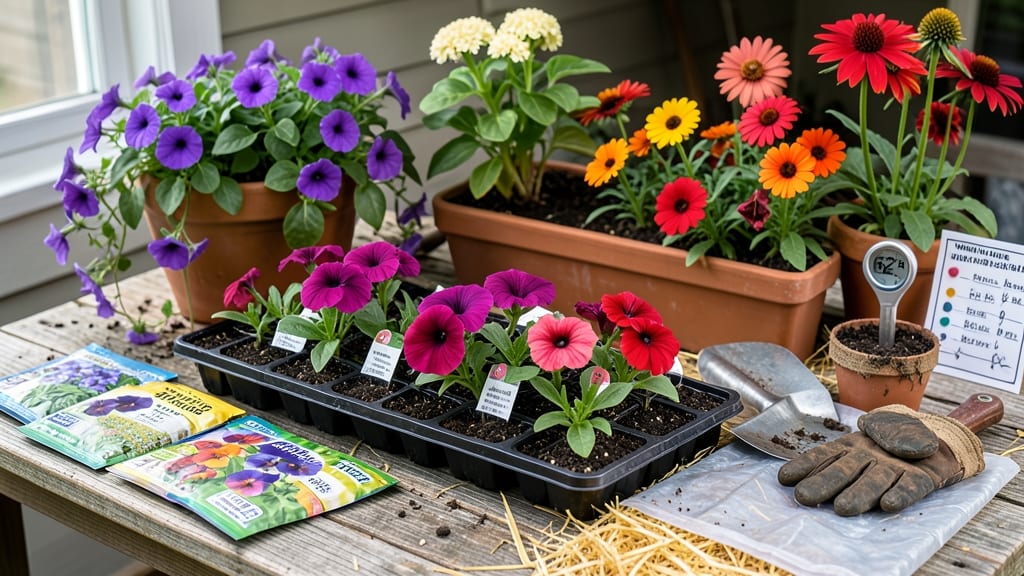
Timing your flower planting in Michigan can feel like guessing whether spring will arrive on schedule—or if another late frost is lurking. With 5b-6b zones and unpredictable weather, getting those seeds in the ground too early risks frost damage, while waiting too long might mean missing the best bloom season.
But here’s the good news: with the right frost-free deadlines by zone, you can confidently plant your 🌸 flowers from early spring through fall—without the stress.
Whether you’re a first-time gardener or a seasoned pro, knowing when to start annuals, perennials, and bulbs makes all the difference in creating a vibrant garden that thrives.
In this guide, I’ll break down exactly when to plant flowers in Michigan, including zone-specific deadlines and tips for adjusting to Michigan’s ever-changing climate. You’ll discover which flowers bloom fastest, how to protect late plantings, and even how to extend your growing season for longer color.
Ready to turn your yard into a flourishing paradise? Let’s get started with the perfect planting windows for every type of flower in your area.
Michigan’s 2024 flower planting deadlines by hardiness zone (with frost risk charts)
Michigan’s 6 USDA hardiness zones (4a-6b) create wildly different frost-free windows for planting flowers. In Zone 4a (northern UP), the last frost typically arrives by May 15, while Zone 6b (southern MI) sees frost-free conditions by April 15.
These differences mean your tender annuals like petunias or marigolds face 3+ weeks of higher frost risk in the north compared to the south.
For perennials and cold-hardy bulbs, timing shifts too—planting tulips in October gives roots time to establish before winter, but late-spring bloomers like peonies can handle being planted until early June.
The key is knowing your specific zone’s frost dates and adjusting for unpredictable late frosts, which can still hit after the average last frost date.
Below is your zone-by-zone planting timeline, including frost risk percentages and ideal planting windows for both spring and fall flowers. Use this to plan your annuals, perennials, and bulbs with confidence, even when Michigan’s weather throws curveballs.
| Zone | Avg. Last Frost | Spring Planting Window | Fall Planting Window | Frost Risk After Avg. Date |
|---|---|---|---|---|
| 4a (Northern UP) | May 15 | May 22–June 15 | Aug 15–Sept 15 | 25% |
| 4b (Traverse City) | May 5 | May 15–June 5 | Aug 1–Sept 10 | 20% |
| 5a (Grand Rapids) | April 25 | April 30–May 15 | July 30–Aug 25 | 15% |
| 5b (Lansing) | April 15 | April 20–May 10 | July 20–Aug 20 | 10% |
| 6a (Detroit) | April 5 | April 10–April 30 | July 10–Aug 15 | 5% |
| 6b (Southwest MI) | March 25 | March 30–April 15 | June 20–July 10 | 2% |
🌡️ Soil Temperature Tip: Wait until soil reaches 50°F+ for annuals, 40°F+ for perennials.
For Zone 6b gardeners, you can start tender annuals like zinnias as early as late March under row covers, while Zone 4a gardeners should wait until after May 22 to avoid frost damage. Even in warmer zones, late-May frosts still happen—so always check your
How to adjust planting times for Michigan’s unpredictable weather (pro tips)
Michigan’s unpredictable frost dates can turn a beautiful garden into a frozen disaster if you’re not prepared. The key to success? Flexible planting strategies that account for late frosts, sudden cold snaps, and even early heat waves.
I’ve learned that cold-hardy flowers and protective techniques can shave weeks off your waiting game.
Start by monitoring local frost alerts from trusted sources like the National Weather Service or your county extension office. These provide real-time updates that beat generic zone charts.
For example, Zone 5b might see its last frost on May 1, but a late freeze in April 2024 could delay planting by weeks.
🌱 Pro Tip: Use row covers or cold frames to extend your planting window by 2-4 weeks. These simple tools create a microclimate that traps heat, allowing you to plant tender annuals like petunias or marigolds 2 weeks earlier than the official frost date.
5-Step Frost-Proofing Guide for Late Spring Plantings
- 📅 Check soil temps: Wait until soil reaches 50°F+ (use a soil thermometer—don’t guess!). Cold soil stunts root growth.
- 🌡️ Hardening off: Acclimate seedlings to outdoor temps over 7-10 days before planting. Start with 2 hours/day and gradually increase.
- 🛡️ Use frost cloths: Drape frost blankets over plants after 6 PM to protect against 28°F+ frosts. Secure edges with bricks or stakes.
- ☀️ Choose heat-loving varieties: Opt for heat-tolerant flowers like zinnia, cosmos, or lantana if late frosts delay planting past May 15.
- 🌱 Plant deep and mulch: Bury seedlings 10% deeper than their pots to strengthen stems. Top with 2-3 inches of mulch to insulate roots.
✅ Result: Up to 30% faster establishment and higher survival rates!
For fall planting, aim to get perennials and bulbs in the ground 6-8 weeks before your first frost. In Zone 6b, that means late August to early September.
This gives roots time to establish before winter dormancy. Dahlias and chrysanthemums are my go-to fall flowers—they thrive when planted in cool but frost-free soil.
🌿 Warning: Avoid planting tender perennials like canna lilies or begonias after July 15 in northern Michigan. These heat-lovers need 60+ days of warm soil to bloom, and late plantings risk stunted growth before frost.
Finally, succession planting is your secret weapon. Instead of planting everything at once, stagger fast-growing annuals like basil (yes, it’s a flower magnet!) or nasturtiums every 2 weeks from May to July. This ensures continuous blooms and minimizes losses from late frosts or pests.