
Companion Plants
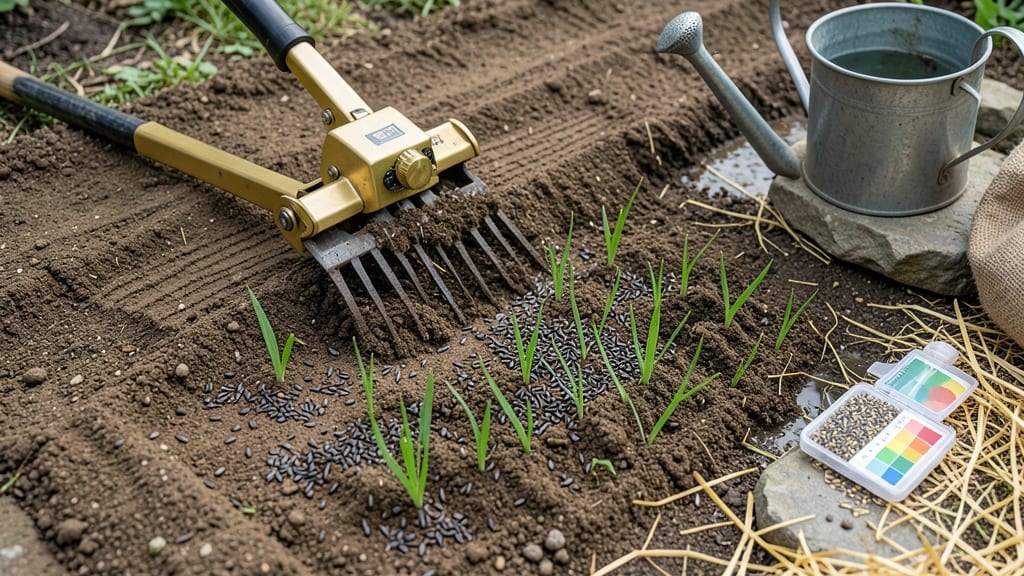
Timing your grass seed planting just right in spring can mean the difference between a lush, green lawn and weeks of patchy disappointment—and the key is knowing when to act. If you've ever stared at your calendar wondering, "Should I plant now or wait?" you're not alone.
The 4-6 week window before your last frost date is your sweet spot, but there's more to it than just counting days.
Most gardeners in USDA Zone 6a (like me!) aim for early spring planting, typically between March and April, when soil temperatures hit that perfect 50-65°F range. This ensures your 🌱 grass seeds germinate quickly without freezing overnight.
But here's the catch: planting too early risks seed dormancy or frost damage, while waiting too long can lead to slow growth or weed competition.
I've learned the hard way that rushing the process can backfire—especially when dealing with cool-season grasses like Kentucky bluegrass. The right timing isn't just about the calendar; it's about soil prep, moisture levels, and even your local microclimate.
Let me walk you through the exact steps to get your lawn off to a fast start this season.
From testing soil pH to choosing the right seed variety, every detail matters. Whether you're seeding a new yard or patching bare spots, these insights will help you avoid common mistakes and set your grass up for success. Ready to transform your lawn from "meh" to "wow"? Let's dive in.
Best weeks before last frost to plant grass seed in spring for optimal germination
Planting grass seed at the wrong time in spring can leave you with slow germination or even seed loss. The ideal window is 4-6 weeks before your last expected frost date, but this varies by USDA hardiness zone and local climate.
For example, in Zone 5, that’s typically late March to early April, while Zone 8 gardeners can plant as early as February.
Soil temperature is the real game-changer. Grass seeds need soil that’s warmed to at least 50°F (10°C) for cool-season grasses like Kentucky bluegrass or 65°F (18°C) for warm-season types like Bermuda grass. Waiting for these temperatures ensures faster germination and stronger root development.
To find your exact last frost date, use the Almanac’s Frost Calculator or check with your local Cooperative Extension Service.
Pro tip: Plant 2-3 weeks earlier in northern regions (Zones 3-5) to account for unpredictable late frosts, while southern gardeners (Zones 7-8) can push planting to early February.
Here’s the golden rule: If your area has frost risks after planting, delay until soil temps are stable. Warm-season grasses can handle heat better but need consistent warmth—planting too early in Zone 9 might lead to seed dormancy.
| USDA Zone | Ideal Planting Window | Soil Temp Threshold | Regional Adjustment |
|---|---|---|---|
| 3-4 (Cold Climates) | Late April to early May | 50°F (10°C) | Wait until all frost risk passes |
| 5-6 (Northern US) | Late March to early April | 50°F (10°C) | Plant 4-6 weeks before last frost |
| 7-8 (Southern US) | Early February to March | 65°F (18°C) for warm-season | Avoid late frosts; use frost cloth if needed |
| 9-10 (Hot Climates) | Late winter (Jan-Feb) | 70°F (21°C) for Bermuda | Plant early to beat summer heat |
If you’re in a transition zone (e.g., Zone 6b-7a), consider overseeding in fall instead—it’s often more reliable. For cool-season grasses, aim for March-April planting, while warm-season types like Zoysia or Centipede should go in late spring (May) when soil is consistently warm.
Watch for local weather patterns: Areas with late spring frosts (like the Upper Midwest) may need to delay until mid-April, while coastal regions (e.g., Pacific Northwest) can plant earlier due to milder temperatures. Use a soil thermometer to confirm readiness—it’s the most accurate method.
Pro move: Test your soil 1-2 weeks before planting. If pH is below 6.0, amend with lime; if above 7.5, use sulfur. Grass thrives in slightly acidic to neutral soil (pH 6.0-7.0), and adjusting now prevents poor germination later.
Remember, spring planting success hinges on three key factors: timing, soil temperature, and preparation. Get these right, and you’ll see lush green blades in 2-3 weeks. Miss them, and you’ll be chasing patchy growth all season.
For extra insurance, plant cool-season grass in early fall too—this double approach ensures year-round coverage. Just mark your calendar now and set a reminder for next spring’s planting window!
Best weeks before last frost to plant grass seed in spring for optimal germination
Planting grass seed in spring is all about timing—specifically, the 4-6 week window before your last frost date. This ensures your seeds germinate quickly without freezing overnight.
For most regions in USDA Zones 3-8, this typically falls between early March and mid-April, but exact timing depends on your local climate.
For example, in Zone 6a (like my yard!), I aim to plant by late March to early April, when soil temperatures consistently reach 50-65°F.
Cooler zones (like Zone 3) may need to wait until mid-April, while warmer zones (like Zone 8) can start as early as February. The key is avoiding frost damage while ensuring the ground isn’t too cold for germination.
🌱 Pro Tip: Use the USDA Plant Hardiness Zone Map to find your exact last frost date. Many local agricultural extensions also provide frost date calculators—just plug in your ZIP code for precise timing.
| USDA Zone | Ideal Planting Window | Soil Temp Threshold | Last Frost Date |
|---|---|---|---|
| Zone 3-4 | Mid-April to early May | 50-55°F | Mid-May |
| Zone 5-6 | Late March to early April | 50-60°F | Mid-April to early May |
| Zone 7-8 | February to early March | 55-65°F | Late March to early April |
If you're unsure about your last frost date, check your local National Weather Service or use a frost date calculator like the one from the Old Farmer’s Almanac.
I always double-check mine—last year, I planted a week too early in Zone 6a, and the frost killed half my seeds! The lesson? Patience is key.
For cool-season grasses (like Kentucky bluegrass or fescue), aim for the earliest window—they germinate best in cooler soil. Warm-season grasses (like Bermuda or Zoysia) can wait until late spring, when soil temps hit 65°F or higher. Always read your seed packet for variety-specific advice!
One last tip: If you miss the spring window, don’t panic! Early fall (4-6 weeks before your first frost) is the second-best time to plant. Just adjust your soil prep and watering routine for cooler temps. Either way, timing is everything for a thick, green lawn this season! ☀️