
Companion Plants
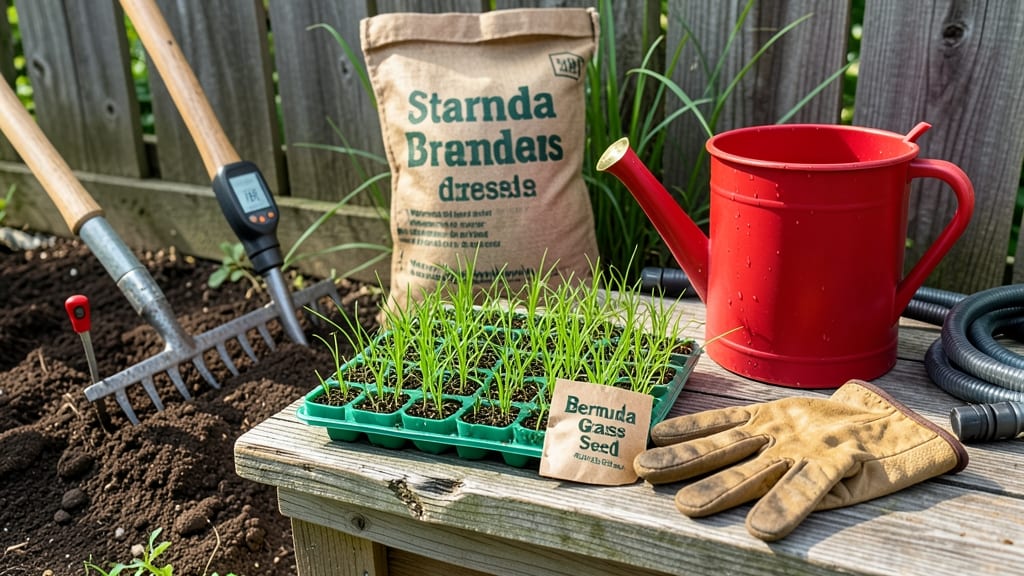
Planting Bermuda grass seed in Texas at the wrong time can turn your dream of a lush lawn into a frustrating gamble against the state's brutal heat and unpredictable frost.
Whether you're in Zone 8a or 10b, getting the timing right is the difference between a vibrant, drought-resistant yard and wasted effort.
Most Texas gardeners make one critical mistake: planting too early when soil temperatures are still cool. Bermuda grass 🌱 thrives in heat, but it needs the ground to be at least 65°F before seeds will germinate properly.
That means waiting until late spring—typically after April 15th in North Texas and even later in the South—when the risk of frost has truly passed.
In this guide, I’ll break down the exact planting windows for your region, plus the 3 key signs your soil is ready (and when to hold off).
You’ll also discover how to avoid common pitfalls like overwatering new seedlings or planting in shade, which can stunt growth before it even starts.
By the end, you’ll know not just when to plant, but how to give your Bermuda grass the best shot at thriving through Texas summers. Let’s get started.
Texas Bermuda grass planting zones: best start dates by region
Texas spans USDA Zones 8a to 10b, creating dramatic differences in frost risk and soil warming.
Planting Bermuda grass seed too early in North Texas (like Zone 8a) can expose seedlings to late frosts, while waiting too long in South Texas (Zone 10b) means missing the ideal 65°F+ soil temperature window.
Let’s break down the best planting windows by region to maximize your success.
In North Texas (Zones 8a-8b), aim for April 15 to May 15. This window follows the last frost date (typically February 15) and ensures soil temperatures stay above 65°F for consistent germination.
For Central Texas (Zones 8b-9a), shift your planting to March 30 to May 1, as milder winters and earlier soil warming allow for an extended window.
Gardeners in South Texas (Zones 9b-10b) have the earliest opportunity, with ideal planting dates from March 1 to April 15. Here, the risk of frost is minimal, but summer heat arrives quickly—so don’t delay past April 15 or risk heat stress on new seedlings.
Always verify local frost dates using the Texas A&M AgriLife Extension maps for precision.
Pro tip: Use a soil thermometer to double-check temperatures before planting. If readings dip below 65°F in the afternoon, wait another week. Bermuda grass seeds won’t germinate in cool soil, no matter how eager you are to see results. Patience here prevents wasted seed and frustration.
For East Texas (Zones 8a-8b), which has higher humidity, consider planting on the earlier side (March 20-April 10) to avoid fungal issues from prolonged moisture. The key is balancing warmth with dryness—aim for 50-60% humidity during germination to reduce disease risk.
Use a broadcast spreader for even coverage and light mulch to retain moisture without suffocating seeds.
Remember: Bermuda grass is a warm-season grass, meaning it thrives in heat but goes dormant in winter. Planting too early risks frost damage, while planting too late means your lawn won’t establish before summer’s brutal heat arrives.
The sweet spot? Late spring when days are long, nights are warm, and the ground is consistently above 65°F.
If you’re in West Texas (Zones 8a-9a), where water conservation is critical, prioritize deep watering (1-1.5 inches) every 2-3 days after planting. The arid climate means seeds dry out faster, so monitor soil moisture closely.
Use drip irrigation or soaker hoses to keep water at the root zone without wasting resources.
🌱 For all regions, mark your calendar for June 1—this is when Bermuda grass should be fully established and ready to handle Texas’ peak summer heat. If you plant after this date, your lawn may struggle to recover before winter dormancy begins.
Signs your Texas soil is ready for Bermuda grass seed (and when to wait)
Before rushing to plant your Bermuda grass seed, check if your Texas soil meets key readiness criteria. Warm soil temperatures and proper moisture levels are critical—planting too early can trigger seed dormancy or fungal issues in the state’s humid summers.
Use a soil thermometer to confirm temperatures have reached at least 65°F (18°C). Cold soil slows germination, wasting your seed investment. Most Texas regions hit this mark by mid-April to early May, but South Texas may be ready as early as March.
Avoid planting when soil feels damp or clumpy—this signals poor drainage. Bermuda grass thrives in well-draining soil with a pH between 6.0 and 7.5. Test your soil’s pH with a kit; adjust with lime or sulfur if needed before planting.
Watch for weed germination as a natural indicator. If weeds like crabgrass sprout, your soil is warm enough for Bermuda grass seeds. This usually happens in late April or May across most of Texas.