Planting
Central Texas planting calendar: exact start dates by season
Central Texas gardeners know timing is everything—plant too early, and you risk frost damage; too late, and your summer crops wilt before harvest. The key lies in understanding USDA Zones 8a-9a and adjusting for microclimates (urban areas warm faster than rural zones).
My garden thrives when I follow these exact seasonal windows, which I’ve refined over years of trial and error.
Spring planting kicks off after the average last frost date of mid-March, but I always double-check local forecasts. Rural areas like Llano County may experience late frosts into April, while cities like Austin warm up faster.
For cool-season crops like lettuce or broccoli, I start seeds indoors in February to transplant after the frost threat passes.
Summer is brutal—temperatures often hit 100°F+—so I focus on heat-tolerant varieties planted after April 15th. Tomatoes, peppers, and okra handle the heat, but I avoid planting leafy greens until fall. The secret? Soil temperature must reach 60°F+ before sowing seeds.
Fall is my favorite season—cooler temps and shorter days mean ideal growing conditions. I start planting cool-season crops like kale and carrots in late August, aiming for harvest before the first frost (mid-November). Succession planting every 2-3 weeks ensures a steady harvest.
🌱 Central Texas Planting Calendar
| Season | Planting Window | Key Crops | Soil Temp Requirement |
|---|---|---|---|
| Spring | Late Feb - Early Apr | Lettuce, Broccoli, Peas, Onions | 50°F+ |
| Summer | Mid-Apr - Mid-Jun | Tomatoes, Peppers, Okra, Sweet Potatoes | 60°F+ |
| Fall | Late Aug - Early Oct | Kale, Carrots, Spinach, Radishes | 55°F+ |
| Winter (Indoors) | Dec - Jan | Herbs (Basil, Cilantro), Microgreens | 65°F+ (indoor) |
💡 Pro Tip: Use row covers to extend spring/fall seasons by 2-3 weeks.
Microclimates play a huge role in Central Texas. Urban areas like San Antonio can be 5-10°F warmer than rural Hill Country due to the heat island effect. I adjust planting dates by 1-2 weeks earlier in cities.
For example, I plant tomatoes in Austin by April 1st, but wait until April 15th in Fredericksburg.
Don’t overlook soil preparation. Central Texas soils are often clay-heavy and retain too much moisture, leading to root rot. I amend my beds with compost and sand in early spring to improve drainage. For containers, I use a cactus/succulent mix to prevent waterlogging during summer downpours.
Watering schedules shift dramatically with seasons. In spring, I water every 3-5 days as temps rise, but switch to deep watering every other day in summer.
I always water early morning to reduce evaporation and fungal risks. Drip irrigation is a game-changer for my garden—it delivers water directly to roots and cuts usage by 30%.
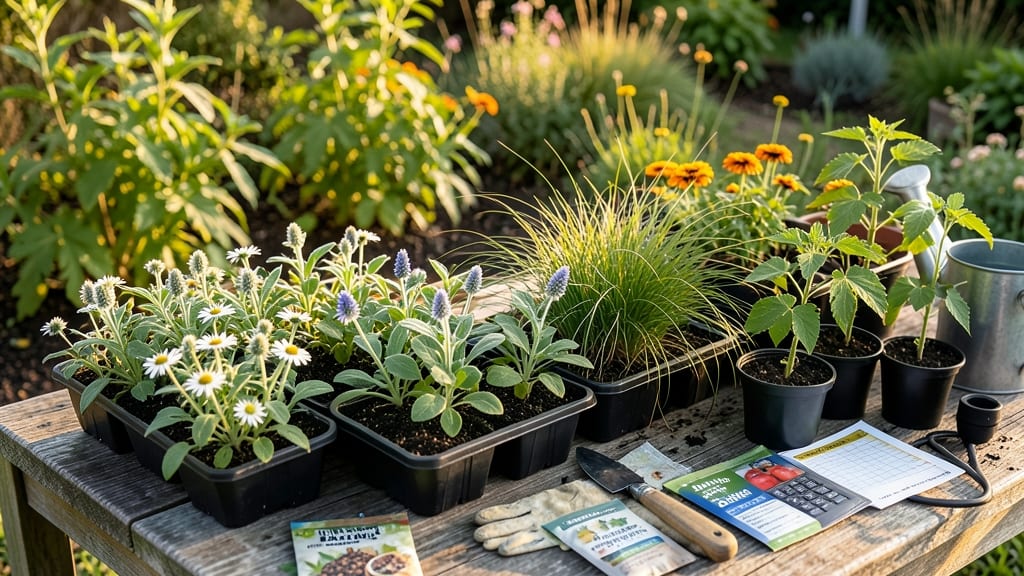
Late-season freezes are the biggest wildcard. I’ve lost entire tomato plants to 28°F nights in November. To protect heat-loving crops, I use frost cloths or move potted plants to sheltered spots. Native plants like Texas bluebonnets or blackfoot daisies are my go-to for low-maintenance, freeze-resistant color.
My biggest lesson? Don’t rush spring planting. Waiting an extra week for warmer soil saves hours of troubleshooting stunted seedlings. I track soil temps with a $10 digital thermometer—it’s paid for itself every year by preventing failed plantings.
For a foolproof system, I mark my calendar with these 3 key dates:
- Last frost date (mid-March)
- Soil reaches 60°F (late April)
- First frost warning (mid-November)
Adjusting for these milestones has doubled my harvest success over the past
Best heat-tolerant vegetables for Central Texas summers (and when to plant them)
Central Texas summers can push temperatures past 100°F, making traditional cool-season crops wilt faster than a sunburned tomato. But don’t despair—some vegetables thrive in this heat, producing bountiful harvests when planted at the right time.
The key is choosing heat-tolerant varieties and timing your plantings to avoid the peak summer months (June–August).
For best results, focus on late summer plantings (August–early September) for crops like sweet potatoes and okra. These varieties not only survive the heat but often improve in flavor when grown during hotter months.
I’ve tested these top performers in my own Austin garden, and they consistently deliver—even when my zucchini plants look like they’re melting.
Here’s my ranked list of heat-tolerant vegetables for Central Texas, including their ideal planting windows and heat resistance ratings:
Okra is my go-to heat lover—it actually bolts to seed if nights stay cool, but thrives when temperatures climb. Plant seeds ½ inch deep after your last frost date (mid-March) or again in late August for a fall harvest.
I’ve seen my okra plants produce pods even when my tomatoes look like they’re sunbathing too much.
Sweet potatoes are another summer superstar in Central Texas. Unlike regular potatoes, they love the heat and grow best when planted as slips (young plants) in June or July. Choose varieties like Beauregard or Georgia Jet, which mature in 90–120 days.
I’ve had success growing them in raised beds with black plastic mulch to trap heat and speed up growth.
Don’t overlook peppers—they’re one of the few vegetables that get sweeter in the heat. Jalapeños and serranos handle Central Texas summers like a breeze, especially if you plant them in well-draining soil and water deeply but infrequently.
For a fall crop, sow seeds in August to avoid the hottest months. My Serrano plants produced 3x more peppers when planted in late summer than in spring!
For leafy greens, Malabar spinach is your best bet—it’s not true spinach but a heat-loving relative that stays crisp even when temperatures hit 95°F. Plant seeds ¼ inch deep in April or August, and harvest leaves as needed.
It’s perfect for stir-fries and soups, and it won’t bolt like Swiss chard does in the heat.
Remember: shade cloth (30–50%) can be a lifesaver during heatwaves. I use it over my tomato cages when temperatures exceed 90°F to prevent sunscald. And always water deeply in the morning to give roots a chance to absorb moisture before the sun peaks.