Plants
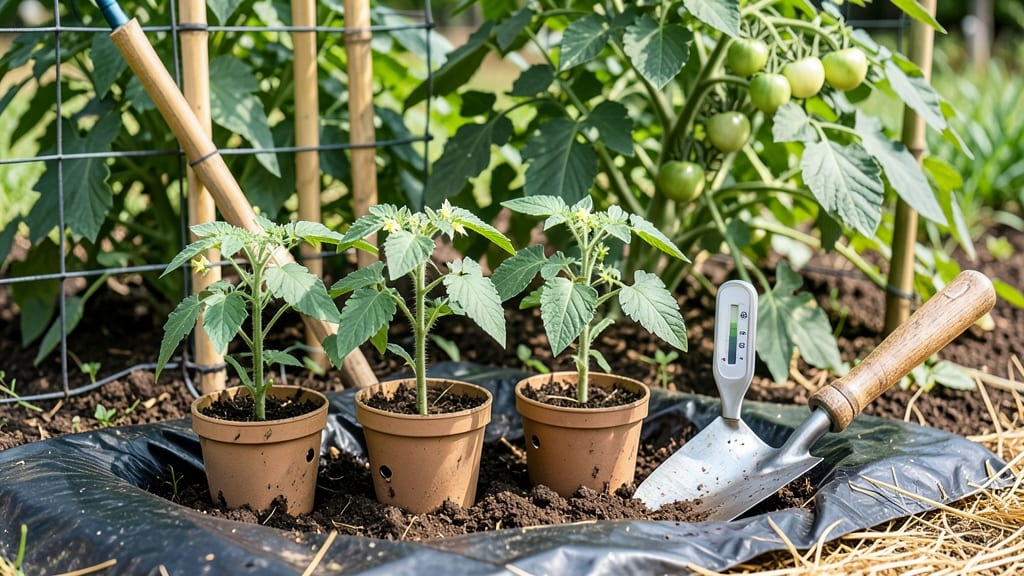
If you’ve ever wondered "when is the best time to plant tomatoes in Virginia", the answer isn’t just about the calendar—it’s about beating frost, warming soil, and picking the perfect heat-tolerant variety for your region.
Virginia’s 6a-8a zones mean your neighbors in the Tidewater might plant weeks earlier than those in the Shenandoah Valley, and getting this wrong could cost you a summer of 🍅 harvests.
The key is planting after your last frost date—typically between April 15 and May 15—when soil temperatures hit at least 60°F. But here’s the catch: early starters in warmer microclimates (like Richmond) can begin as early as March, while highland areas should wait until late May.
I’ll break down the exact dates for your corner of Virginia so you can time it perfectly.
Beyond timing, the right tomato variety makes all the difference. Heat-loving types like ‘Celebrity’ or ‘Heatmaster’ thrive in Virginia’s sweltering summers, while heirlooms need extra care.
You’ll also learn how to extend your harvest into October by using mulch, shade cloth, and smart succession planting—tricks that turn a 3-month season into 6 months of homegrown goodness.
Ready to grow tomatoes that outperform store-bought? Let’s dive into the exact start dates, soil secrets, and variety picks that’ll have your garden bursting with flavor—no more guessing, just guaranteed success. Your first ripe tomato is closer than you think!
Virginia tomato planting timeline: exact dates by region & frost zones
Virginia’s diverse climate—from the humid Tidewater region to the cooler Shenandoah Valley—means tomato planting dates vary dramatically. Getting your timing right ensures strong seedlings and a bountiful harvest before the first frost.
The key is planting after the average last frost date, when soil temperatures hit at least 60°F, and choosing varieties suited to your microclimate.
Most Virginia gardeners aim to transplant seedlings outdoors between mid-April and mid-May, but this shifts depending on your USDA zone (6a–8a) and local frost patterns. For example, Coastal Virginia (Zone 7b–8a) has a longer growing season, while mountain regions (Zone 6a) face earlier frosts.
Using a frost-free date calculator from the Virginia Cooperative Extension can help pinpoint your exact window.
Here’s a breakdown of optimal planting windows by region, including early, mid, and late-season options for maximum yield:
| Region | USDA Zone | Last Frost Date | Best Transplant Window | First Frost Risk |
|---|---|---|---|---|
| Coastal Virginia (Tidewater) | 7b–8a | March 20–April 5 | April 1–May 10 | Late October–November 1 |
| Piedmont (Richmond, Charlottesville) | 7a–7b | March 25–April 10 | April 15–May 1 | October 15–November 10 |
| Shenandoah Valley (Roanoke, Staunton) | 6b–7a | April 5–April 20 | May 1–May 15 | October 1–October 15 |
| Mountains (Blacksburg, Abingdon) | 6a–6b | April 15–May 1 | May 10–May 30 | September 20–October 10 |
*Dates are averages—always monitor local forecasts for adjustments.
For gardeners in warmer microclimates (e.g., near Chesapeake Bay or urban heat islands), you can plant early varieties as soon as March 15 under row covers or in greenhouses.
Conversely, mountain regions may need to wait until late May to avoid frost damage. Always harden off seedlings for 7–10 days before transplanting to prevent shock.
Pro tip: Use black plastic mulch to warm soil faster and extend your planting window by 1–2 weeks. This is especially useful in cooler zones like the Shenandoah Valley, where soil may linger below 60°F into May.
Pair this with disease-resistant varieties like 'Celebrity' or 'Mountain Spring' to minimize risks in humid conditions.
If you’re eager for an earlier harvest, consider starting seeds indoors 6–8 weeks before your last frost date. For example, Coastal Virginia gardeners can begin seeds in mid-February, while mountain growers should wait until late March.
Use a seedling heat mat to maintain 70–75°F soil temps for faster germination.
Remember, late-season planting is also an option! In Zone 7b and warmer, you can sow fast-maturing varieties (e.g., 'Early Girl' or 'Stupice') in early June for a fall harvest.
Just be prepared to protect plants with row covers if frost threatens in October. This strategy works best in Tidewater and Piedmont regions.
To track your local frost dates, bookmark the Virginia Master Gardener frost chart or use the Almanac’s frost calculator. These tools account for microclimates (e.g., valleys vs. hilltops) and help you avoid costly mistakes.
For example, Roanoke’s last frost often occurs 2 weeks later than nearby Blacksburg, even though they’re just 50 miles apart.
Once you’ve nailed your planting window, focus on soil prep: Tomatoes thrive in well-draining, slightly acidic soil (pH 6.0–6.8). Mix in compost or aged manure 2–3 weeks before transplanting to boost fertility.
Avoid fresh manure, which can burn roots. In heavy clay soils (common in Piedmont), amend with sand or coconut coir to improve drainage.
Finally, rotate planting locations every year to prevent soil-borne diseases like verticillium wilt, which thrives in Virginia’s humid summers. If you’re short on space, try container growing—just ensure pots are at least 12 inches deep and use a lightweight potting mix with added perlite.
With the right timing and care, your Virginia tomato plants will reward you with vibrant, flavorful fruit from summer through fall! 🌱
Best heat-tolerant tomato varieties for Virginia’s hot summers
Virginia’s summers bring sweltering heat and high humidity, which can stress tomatoes if you don’t choose the right varieties.
Heat-tolerant types thrive in USDA Zones 6a-8a, producing flavorful fruit even when temperatures soar above 90°F. Look for disease-resistant hybrids and determinate varieties that handle heat better than traditional heirlooms.
For cherry tomatoes, try ‘Solar Fire’ or ‘Sweet Million’—both handle heat while delivering sweet, prolific fruit. If you prefer slicing tomatoes, ‘Heatmaster’ and ‘Celebrity’ are top picks for their disease resistance and heat tolerance.
These varieties avoid common Virginia issues like blossom drop and sunscald.
🌱 Pros & Cons of Top Virginia Tomato Varieties
| Variety | Pros | Cons |
|---|---|---|
| Solar Fire | Heat-tolerant, disease-resistant, red cherry | Smaller fruit size |
| Heatmaster | Resists cracking, high yield, beefsteak | Needs staking |
| Celebrity | Early producer, disease-resistant, medium size | Less heat-tolerant than others |
| Sweet Million | Prolific, sweet flavor, indeterminate | Requires pruning |
| Arkansas Traveler | Heirloom, heat-adapted, great flavor | Susceptible to diseases |
For heirloom lovers, ‘Arkansas Traveler’ is a heat-adapted classic that performs well in Virginia’s humid summers. Its thick skin resists cracking, and its rich flavor makes it worth the extra care.
Pair this with ‘Mountain Merit’, a disease-resistant variety that thrives in partial shade if your garden gets afternoon heat.
When selecting varieties, prioritize those with maturity dates between 70-85 days to align with Virginia’s 180-day growing season. Start seeds indoors 6-8 weeks before your last frost date, then transplant after soil warms to 60°F.
Use black plastic mulch to boost soil temperature and reduce stress on young plants.
Finally, consider succession planting with early, mid, and late-season varieties to stretch your harvest. For example, plant ‘Early Girl’ in early May for a June harvest, then follow with ‘Better Boy’ in late May for a fall bounty.
This strategy ensures you’re always enjoying fresh tomatoes while avoiding overcrowding and pest pressure.
With the right varieties and timing, your Virginia tomato garden can thrive even in the hottest months. Just remember: shade cloth for seedlings, consistent watering, and regular pruning are your best friends in the heat! 🌿