
Plants
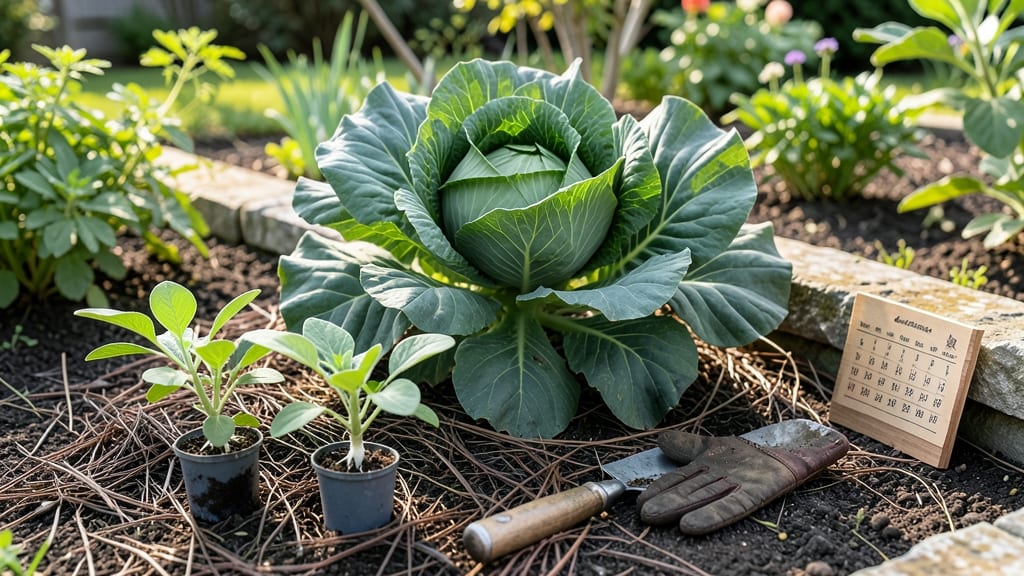
Planting cabbage in Alabama at the wrong time can mean the difference between a bountiful harvest and wasted effort—especially in zones 7b-8b where heat and humidity play tricks on your garden.
Too early, and your 🥬 might bolt before forming heads; too late, and frost could ruin your crop before you even taste those crisp leaves.
Alabama’s climate gives you two golden windows for planting: early spring (February-March) and late summer (July-August). But here’s the catch—heat-tolerant varieties like ‘Cavalo’ or ‘Golden Acre’ can handle Alabama’s summer swelter, while cooler-loving types need to hit the ground before temperatures climb past 75°F.
I’ll break down the exact frost-free timing for each variety, plus how to adjust for your specific corner of the state—whether you’re in the cooler Appalachian foothills or the steamy Black Belt. No more guessing games; just actionable dates to maximize your harvest from May through November.
Ready to stop second-guessing and start growing? Let’s dive into the planting schedule that actually works for Alabama gardens—no trial and error required.
Alabama cabbage planting calendar by variety type (early, mid, late season)
Alabama’s USDA zones 7b-8b create two distinct planting seasons for cabbage: cool-season spring and fall harvests. The key is avoiding bolting from heat or frost damage—both common pitfalls in Alabama’s unpredictable climate.
Early varieties thrive in February-March, while late-season types like 'Red Express' handle Alabama’s summer heat better when planted in July-August.
Your first step is checking your last frost date, which typically falls between late February and early April across Alabama. For most gardeners, this means early spring plantings should happen 6-8 weeks before frost, while fall plantings need to go in 8-10 weeks before first frost (usually mid-October).
Soil temperature is just as critical—cabbage roots struggle below 45°F (7°C), so wait until the ground warms.
📅 Alabama Cabbage Planting Timeline by Variety
| Variety Type | Planting Window | Soil Temp Requirement | Days to Maturity | Heat Tolerance |
|---|---|---|---|---|
| Early Season (e.g., 'Golden Acre', 'Blue Vantage') | February 15 - March 15 | 45-55°F (7-13°C) | 60-70 days | Low (bolts in 80°F+) |
| Mid Season (e.g., 'Market Price', 'Crimson') | March 1 - April 15 | 50-60°F (10-16°C) | 70-80 days | Moderate (handles 85°F briefly) |
| Late Season (e.g., 'Red Express', 'Badger Shipper') | July 15 - August 15 | 55-65°F (13-18°C) | 80-100 days | High (thrives in 90°F) |
| Fall Succession (e.g., 'Wisconsin Winter') | August 1 - September 1 | 50-60°F (10-16°C) | 75-90 days | Moderate (needs cool nights) |
💡 Pro Tip: Use shade cloth (30-50%) for late summer plantings to prevent bolting during Alabama’s 90°F+ heat waves.
For Northern Alabama (zones 7a-7b), where frosts linger longer, stick to early March plantings for spring cabbage. In Southern Alabama (zone 8a-8b), you can push it to late February for early harvests.
The 'Blue Vantage' variety is my top pick for Northern gardens—it tolerates cooler soils and matures quickly before summer heat sets in.
If you’re growing for fall harvests, aim for August plantings in Northern Alabama and early September in the South. The 'Wisconsin Winter' variety is a favorite for this window—it handles Alabama’s humid summers better than most and produces sweet heads even in fall’s cooler nights.
One mistake I see often is planting cabbage seeds directly in the ground instead of starting them indoors. Alabama’s short frost-free window (200-240 days) means you need to maximize growth time.
Start seeds 6-8 weeks before last frost in biodegradable pots to avoid transplant shock. Harden off seedlings for 7-10 days before moving them outdoors.
Soil prep is non-negotiable in Alabama’s clay-heavy soils. Work in 2-3 inches of compost and a balanced 10-10-10 fertilizer at planting. Cabbage loves rich, slightly acidic soil (pH 6.0-7.0), so test your soil before planting.
If your garden soil is too alkaline, add peat moss or sulfur to adjust the pH.
Watering is where many Alabama gardeners trip up. Cabbage needs consistent moisture—1-1.5 inches per week—but it hates soggy roots. Use drip irrigation or soaker hoses to keep leaves dry, especially in Alabama’s humid summers, which can lead to black rot or downy mildew.
Always water in the morning to let foliage dry before nightfall.
For heat-sensitive varieties, consider using row covers or shade cloth (30%) during Alabama’s July-August heat waves. This simple trick can delay bolting by 2-3 weeks and keep your cabbage heads tight and crisp. Just remove covers during cool mornings to prevent overheating.
Finally, don’t forget about succession planting. Alabama’s long growing season lets you squeeze in two cabbage crops: one in spring and one in fall. Plant every 2-3 weeks from February to April for a continuous harvest, then repeat in July-August for fall enjoyment.
This strategy ensures you’re never without fresh cabbage—and it’s perfect for Alabama’s short but intense growing seasons.
How to adjust cabbage planting dates for Alabama’s frost zones (7a-8b)
Alabama’s USDA zones 7a-8b create distinct planting challenges. Northern Alabama (zone 7a) faces earlier frosts, while Southern Alabama (zone 8b) battles summer heat. Understanding these differences helps you avoid bolting or frost damage—two common pitfalls for cabbage growers in the state.
For zone 7a (North Alabama), your last frost typically arrives by March 15, while zone 8b (South Alabama) can plant until April 1 without frost risk. This 2-week window makes all the difference for heat-sensitive varieties. Let’s break down how to adjust your planting schedule for each zone.
For both zones, succession planting is your best friend. In zone 7a, stagger plantings every 2-3 weeks from February through April. Zone 8b gardeners should plant every 3-4 weeks from February to May, then again in July for fall harvests. This ensures a continuous supply of fresh cabbage.
If you’re in Southern Alabama (zone 8b), focus on heat-tolerant varieties like ‘Cavalo’ or ‘Golden Acre’ for summer plantings. These varieties can handle Alabama’s 90°F+ temperatures better than traditional types. For Northern Alabama (zone 7a), prioritize early-maturing varieties like ‘Early Jersey Wakefield’ to harvest before summer heat arrives.
Remember: Soil temperature matters just as much as air temperature. Use a soil thermometer—cabbage roots need 45°F+ soil to thrive. If your soil is too cold, wait a week or two before transplanting seedlings. Patience now prevents bolting later.