
Plants
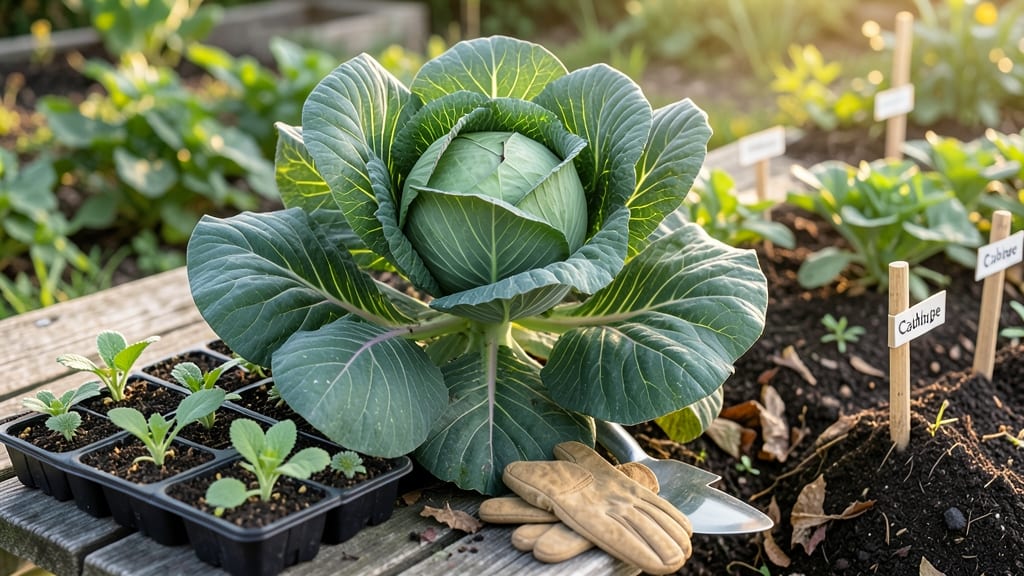
If you’ve ever planted 🥬 cabbage in Missouri only to watch it bolt in the summer heat, you’re not alone. The key to crisp, flavorful heads lies in nailing your planting timeline—especially in zones 5b-6b, where warm spells can derail even the most eager gardeners.
Missouri’s climate gives you two prime windows for success: early spring (March–April) and late summer (July–August). Plant too early, and frost threatens; too late, and the heat triggers bolting. I’ll break down the exact dates, soil temps, and variety picks to keep your cabbage thriving—no guesswork required.
Whether you’re direct-sowing seeds or transplanting seedlings, timing is everything. Learn how to stretch your harvest from late spring through fall while dodging Missouri’s notorious humidity and pest pressures. Ready to grow cabbage that’s bold, not bitter?
Let’s dive into the cool-season schedule that’ll have your garden producing cabbage like clockwork—no more wasted efforts or sad, loose heads. Your next harvest starts with the right move.
Missouri cabbage planting zones: ideal dates by region
Missouri’s USDA zones 5b-6b create unique challenges for cabbage growers, with last frost dates ranging from early April in southern regions to mid-May in northern areas. To avoid bolting—when cabbage flowers prematurely—you’ll need to align plantings with cool soil temperatures (45–75°F) and humid but not scorching conditions.
Let’s break down the best windows for Missouri’s 7 key regions, including St. Louis, Kansas City, and Springfield.
Most Missouri gardeners succeed with two primary planting windows: early spring (March–April) and late summer (July–August). The early window targets spring harvests (May–June), while late summer plantings aim for fall harvests (September–October).
However, northern Missouri (zones 5b) may need to delay spring plantings until after April 15, while southern Missouri (zone 6b) can start as early as February 28 for heat-tolerant varieties.
Soil temperature is your best guide—wait until soil warms to 45°F for seeds or 50°F for transplants. Use a soil thermometer to check, especially in Missouri’s variable spring weather. For example, Kansas City’s average soil temperature hits 50°F by March 20, while Springfield’s lags until March 28. Plant too early, and seedlings will linger in cold soil, inviting pests like cabbage maggots.
Here’s how to match your region to the right planting timeline, including transplanting dates and harvest windows:
For direct sowing, Missouri gardeners often start seeds indoors 6–8 weeks before the last frost or use biodegradable seed pots to harden off seedlings. If you’re transplanting, buy 4–6 week-old seedlings from nurseries and set them out 2–3 weeks after your region’s last frost date.
For example, St. Louis gardeners can transplant by April 15, while northern Missouri should wait until May 1.
Missouri’s humid summers make late summer plantings risky—heat
Avoiding bolting: Missouri-specific tips for heat-tolerant varieties
Missouri’s summer heat can turn your cabbage plants into bitter, bolted messes before you even harvest. The key to success? Choosing heat-resistant varieties and creating the right growing conditions to keep roots cool. Let’s break down the science—and the simple tricks—that work in Missouri’s humid climate.
Bolting happens when cabbage senses heat stress, triggering premature flowering. In Missouri, this typically occurs between July and August, when temperatures climb above 75°F. But with the right strategies, you can delay bolting and enjoy crisp heads all season long.
🌱 Heat-Tolerant Cabbage Varieties for Missouri
🥬 Cavalo – Thrives in heat, slow to bolt
🥬 Golden Acre – Tolerates warmth, sweet flavor
🥬 Red Express – Heat-resistant, compact heads
🥬 Early Jersey Wakefield – Fast-maturing, bolt-resistant
Start by selecting heat-tolerant varieties like ‘Cavalo’ or ‘Golden Acre’, which are bred to handle Missouri’s summer heat better than standard types. Pair these with shade cloth (30–50% coverage) during peak afternoon sun (12 PM–4 PM) to lower soil and leaf temperatures by 10–15°F.
This mimics the cooler conditions cabbage prefers.
Organic mulches like straw or wood chips are another game-changer. Apply a 3-inch layer around plants to insulate roots and retain moisture. In Missouri’s dry summers, mulch can reduce soil temperature by up to 20°F while keeping the soil consistently moist—critical for preventing bolting.
Watering strategy is just as important. Deep, infrequent watering (1–2 inches per week) encourages deep root growth, which helps plants handle heat better. Avoid overhead watering in the evening, as wet foliage invites disease like downy mildew.
Instead, use drip irrigation or soaker hoses to deliver water directly to the roots.
For late-summer plantings (after July 15), choose fast-maturing varieties like ‘Early Jersey Wakefield’ (ready in 55–60 days). These give you a harvest before bolting sets in. If you’re growing cabbage in containers, select dwarf varieties and place pots in partial shade during the hottest months.
Missouri’s humidity adds another challenge—fungal diseases thrive in damp conditions. To combat this, space plants 18–24 inches apart for airflow and apply a copper fungicide spray preventatively if you notice yellowing leaves. Healthy plants resist bolting better than stressed ones.
Finally, monitor your plants for early signs of bolting: long stems or flower buds. If you catch it early, you can still harvest the outer leaves for cooking.
But the best defense is a good offense—start with the right varieties, protect them from heat, and you’ll enjoy crisp, zero-bolt cabbage all season.
🌿