
Plants
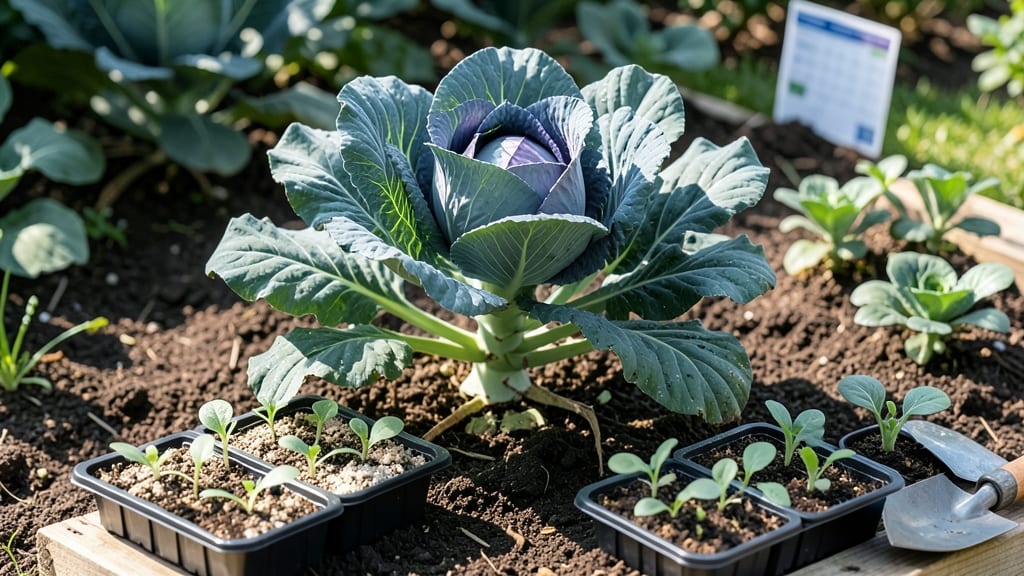
Planting cabbage in North Carolina can feel like walking a tightrope—get the timing wrong, and you're either battling frost or fighting off heat stress.
The key to a thriving 🥬 harvest lies in understanding your USDA zone and local microclimates, whether you're in the Piedmont's rolling hills or the Coastal Plain's milder stretches.
Most gardeners in zones 7a-8b know spring and fall are the prime windows, but the exact deadlines vary dramatically. Plant too early in Zone 7b, and a late frost could wipe out your seedlings.
Too late in Zone 8a, and summer's sweltering heat sends your cabbage bolting before you can say "Golden Acre."
This guide cuts through the guesswork with precise planting dates tailored to NC's climate quirks. We'll cover everything from soil temperature cues to succession planting hacks that let you stretch your harvest from May through December. No more second-guessing—just confident planting.
Ready to master your cabbage calendar? Let's dive into the exact weeks you should be sowing seeds or transplanting starts, plus how to adjust for those pesky early or late seasons that NC loves to throw at us.
North Carolina cabbage planting calendar: exact spring and fall deadlines by USDA Zone
North Carolina’s diverse climate—from the Coastal Plain’s humidity to the Mountains’ cooler temperatures—means cabbage planting deadlines vary by USDA zone. In Zone 5b (western NC), you’ll plant earlier than in Zone 8a (eastern NC).
The key is aligning your planting with soil temperatures (ideal: 45–55°F) and last/first frost dates.
For spring planting, aim to sow seeds 4–6 weeks before your average last frost date. In fall, plant 10–12 weeks before the first frost to ensure a harvest before winter.
Below, I’ve broken down exact windows for NC’s 7 USDA zones, including adjustments for microclimates like valleys or coastal areas.
🌱
North Carolina Cabbage Planting Deadlines by Zone
| Zone | Spring Planting Window | Fall Planting Window | Last Frost Date | First Frost Date |
|---|---|---|---|---|
| 5b (Mountains) | March 15–April 15 | August 1–September 1 | April 15 | October 31 |
| 6a (Piedmont) | March 1–April 10 | August 15–September 10 | April 1 | November 1 |
| 6b (Piedmont) | March 15–April 1 | August 10–September 15 | March 31 | November 10 |
| 7a (Coastal Plain) | February 28–March 15 | August 1–September 1 | March 15 | November 15 |
| 7b (Coastal Plain) | March 1–March 15 | August 15–September 1 | March 1 | November 20 |
| 8a (Coastal Plain) | March 15–April 1 | August 1–August 15 | February 28 | November 30 |
| 8b (Coastal Plain) | March 1–March 15 | July 31–August 15 | February 15 | December 15 |
*Adjust dates 1–2 weeks earlier for valleys or cooler microclimates, and 1–2 weeks later for warmer coastal areas.
In Zone 8a and 8b, where winters are milder, you can even try winter cabbage by planting in late summer (July–August). These varieties, like 'Golden Acre', tolerate light frost and produce sweeter heads after a cold snap.
For succession planting, make weekly sowings every 2–3 weeks in spring and fall to ensure a continuous harvest. In Zone 7b and below, focus on fall planting for a winter harvest, as summer heat causes bolting (premature flowering).
🌿
Pro tip: Use a soil thermometer to confirm soil temps are 45°F+ before planting. Cold soil slows germination, leading to sparse seedlings. If your soil is too cold, start seeds indoors 4–6 weeks before transplanting outdoors.
For coastal gardeners, watch for humidity-related diseases like downy mildew. Space plants 18–24 inches apart and water at the base (not overhead) to reduce fungal risks. In mountain zones, protect young plants from late frosts with row covers or cloches.
☀️
How to extend your cabbage season: succession planting and cold protection tips for NC gardeners
If you love fresh cabbage year-round, succession planting is your secret weapon. In North Carolina’s variable climate, where last frost dates can swing from March 1 in the mountains to April 15 along the coast, staggering plantings ensures a continuous harvest.
The key is spacing out sowings every 2-3 weeks during the growing season, so you’re never left without crisp, homegrown heads.
For spring cabbage, start your first batch 4-6 weeks before your last frost date. Then, sow new seeds every 10-14 days until early June.
This method guarantees heads ready for harvest from May through July, just in time to beat the summer heat. Fall plantings should begin in mid-summer (August), with the final batch going in by September 1 to harvest before frost.
🌱
- 🌱 Spring: Start first batch 4-6 weeks before last frost (e.g., February 25-March 10 for most of NC).
- 🌱 Sow new seeds every 10-14 days until early June for a continuous harvest.
- 🌱 Fall: Begin plantings in mid-August and space batches 2-3 weeks apart until September 1.
- 🌱 Late Fall: For overwintering varieties, plant Golden Acre or Savoy by October 1 in Zone 7b or earlier.
- 🌱 Pro Tip: Use slow-bolting varieties like ‘Crimson Glory’ for summer plantings to avoid heat stress.
North Carolina’s unpredictable frosts can derail even the best-laid plans. Protect young seedlings with floating row covers or low tunnels when nighttime temps dip below 40°F. These lightweight fabrics shield plants from light frosts (28-32°F) while allowing sunlight and water to penetrate.
For heavier frosts (below 28°F), drape old bedsheets or cardboard over plants and secure with bricks or stakes.
To prevent bolting during NC’s sweltering summers, avoid planting cabbage after June 1 in most zones. Instead, opt for shade-tolerant varieties like ‘Early Jersey Wakefield’ or use shade cloth (30-50%) to reduce soil and air temperatures.
Mulching with straw or grass clippings also helps maintain even moisture and cooler root zones, which cabbage craves.
For extended fall harvests, try hoop tunnels covered with plastic or row fabric. These simple structures can push your growing season back by 4-6 weeks, allowing you to harvest into December in Zone 7b or even January in Zone 8a. Just
💧 With these strategies, you’ll enjoy homegrown cabbage from spring through winter, even in North Carolina’s challenging climate. The secret? Stay flexible—adjust your schedule based on actual frost dates (not just averages) and microclimates in your garden. Happy growing!