
Plants
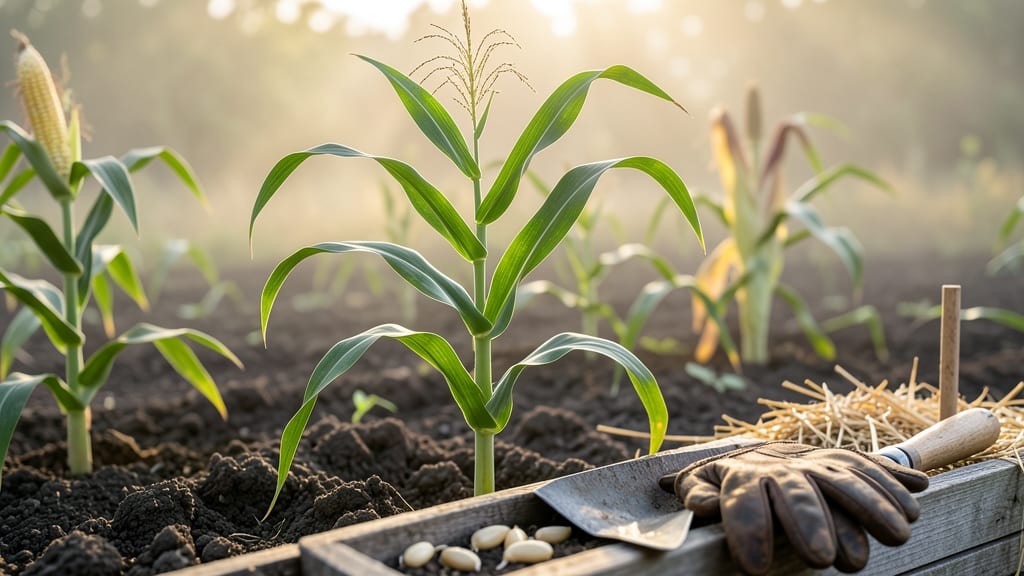
Timing your 🌽 corn planting in Alabama correctly could mean the difference between a bumper crop and a disappointing harvest.
With Alabama's varied climate—from the cooler northern reaches to the humid southern regions—getting those seeds in the ground at the right moment is the key to avoiding frost damage or stunted growth.
Most gardeners in USDA zones 7b-8a know the general rule: aim for mid-April to early June. But here's the catch—your exact planting window depends on whether you're in the North, South, or Coastal areas, where soil warms up at different rates.
Planting too early risks frost, while waiting too long might leave you scrambling as summer heat sets in.
In this guide, I'll break down the microclimate-specific weeks that work best for your region, plus soil temperature tricks to ensure germination. You'll also discover how to adjust for early vs. late corn varieties and avoid common mistakes that sabotage yields.
Whether you're a seasoned gardener or a first-timer, these insights will help you plan with confidence—so you can enjoy fresh, sweet corn straight from your Alabama garden by late summer.
Alabama corn planting calendar by microclimate zone (North vs South vs Coastal)
Alabama’s three distinct regions—North, South, and Coastal—each demand different corn planting strategies to avoid frost damage or heat stress. The North (like Huntsville) has cooler springs, while the Coastal (Mobile area) battles humidity and potential late-season hurricanes.
Even the South (Birmingham) has a longer growing season but needs precise timing to prevent drought stress.
For all regions, the golden rule is planting after soil reaches 60°F and 2-3 weeks after the last frost date. In Alabama, this typically means mid-April to early June, but your exact window depends on your microclimate.
Let’s break it down by zone to ensure you’re planting at the perfect moment for peak yield and disease resistance.
🌽
| Region | Last Frost Date | Optimal Planting Window | Soil Temp for Germination | Key Risks |
|---|---|---|---|---|
| North (USDA 7b) | March 15–April 1 | April 15–May 10 | 60°F+ | Late frost, shorter season |
| South (USDA 8a) | March 1–March 15 | March 20–April 30 | 55°F+ | Drought, heat stress |
| Coastal (USDA 8a) | February 15–March 1 | April 1–May 15 | 60°F+ | Humidity, fungal diseases |
In the North, where frost lingers until early April, planting too early risks seed rot or frost damage to young seedlings. Aim for April 15–May 10 to give plants enough time to mature before the first frost in November.
Use early-maturing varieties (60–70 days to harvest) like 'Silver Queen' or 'Peaches and Cream' to ensure success.
For the South, where the growing season stretches longer, you can start as early as late March. However, avoid planting before soil warms to 55°F, as cold soil slows germination.
Varieties like 'Golden Bantam' (ideal for shorter seasons) or 'Ambrosia' (sweet corn) thrive here if planted by April 30.
Coastal gardeners face unique challenges like high humidity and soil saturation from summer rains. Plant in April when soil temperatures stabilize, and choose disease-resistant varieties like 'Pioneer 39T21' to combat fungal issues. Space rows 30 inches apart to improve airflow and reduce disease risk.
Regardless of your zone, always test soil pH (aim for 6.0–6.8) and amend with compost before planting. In North Alabama, consider using black plastic mulch to warm soil faster, while Coastal areas benefit from raised beds to prevent waterlogging.
Adjust your planting date based on rainfall forecasts—delay if heavy rains are predicted to avoid soil compaction.
🌡️
5 Critical factors that determine your exact corn planting date in Alabama
While the microclimate calendar gives you a solid starting point, your exact corn planting date in Alabama depends on five key factors that can shift your timeline by weeks.
Ignoring these means risking poor germination, disease susceptibility, or even total crop failure. Let’s dive into what truly dictates when you should plant—beyond just the calendar.
First, soil temperature is non-negotiable. Corn seeds need soil to warm to at least 60°F for reliable germination, but in Alabama’s North, this can take weeks longer than in the South.
Use a soil thermometer to confirm—planting too early in cold soil leads to seed rot or stunted growth. Pro tip: In Coastal areas, soil warms faster in raised beds, giving you a 2-week head start.
-
1. Soil Temperature
Plant only when soil reaches 60°F+ (use a thermometer!). In North Alabama, this can be as late as mid-May. -
2. Seed Variety Maturity
Early varieties (60–70 days) like 'Silver Queen' work for North Alabama, while late varieties (90+ days) need South Alabama’s longer season. -
3. Rainfall Forecasts
Delay planting if heavy rains are predicted—waterlogged soil causes seed rot and poor root development. -
4. Blacklayer Formation
For late-season varieties, adjust planting to ensure kernels reach blacklayer stage before frost (aim for October harvest). -
5. Soil Moisture
Corn needs consistent moisture during germination. In drought-prone South Alabama, plant near a water source or use drip irrigation.
Next, your seed variety’s maturity rating directly impacts your planting window. In North Alabama, where the growing season is shorter, stick to early-maturing varieties (60–70 days to harvest). For example, 'Peaches and Cream' or 'Silver Queen' are foolproof choices.
Meanwhile, in South Alabama, you can afford to plant late varieties like 'Ambrosia' (90+ days) as long as you start by late March.
Don’t overlook rainfall forecasts—this is a game-changer in Alabama’s unpredictable weather. If your local forecast predicts heavy rains in the next 2 weeks, delay planting. Waterlogged soil can cause seed rot and fungal diseases like corn smut.
Check the National Weather Service for your region and adjust your timeline accordingly. A 5-day delay can save your entire crop.
For gardeners in South Alabama growing late-season varieties, timing your planting around blacklayer formation is crucial. This is when kernels harden and turn a black layer at the base—ideal for drying and storage.
If you plant too late, your corn may not reach this stage before the first frost in November. Use a harvest date calculator (available from seed companies) to back-calculate your planting window.
Finally, soil moisture during germination can make or break your crop. Corn seeds need consistent moisture to sprout, but too much water leads to root rot. In Coastal Alabama, where humidity is high, use well-draining soil or raised beds to prevent waterlogging.
If your soil feels dry 1 inch below the surface, water deeply before planting. A soil moisture meter is worth the investment for precision.
🌡️