Plants
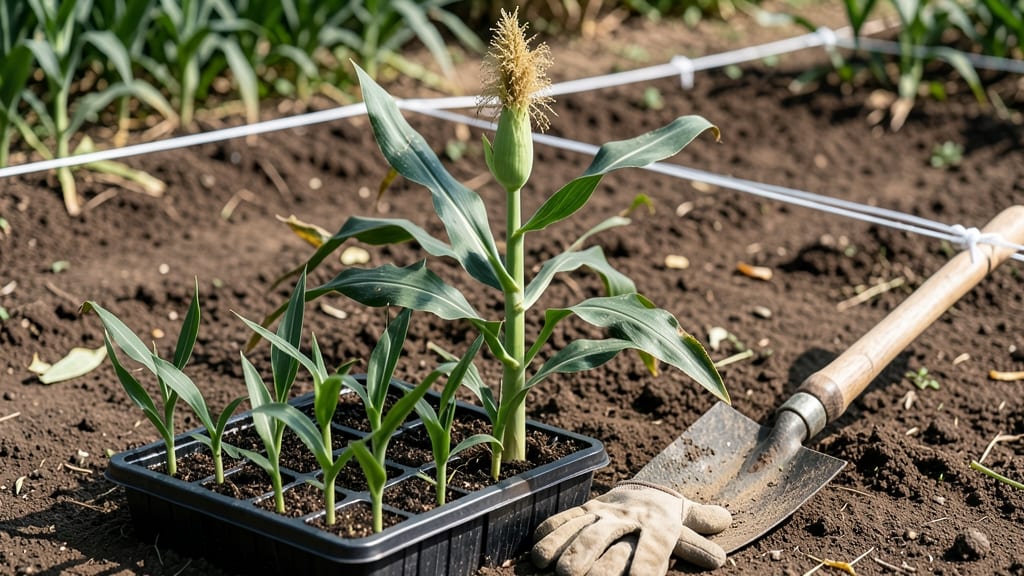
Timing your corn planting in California isn't one-size-fits-all—get it wrong, and you could end up with stunted 🌽 or even total crop failure. The perfect window depends on whether you're in coastal fog zones, the Central Valley's warmth, or desert regions where heat arrives early.
Most gardeners in USDA zones 9a-10b aim for spring planting between March and July, but coastal areas often start as early as February. The key isn't just the calendar—it's soil temperatures hitting 60°F and waiting until after the last frost, which can vary wildly across the state.
Sweet corn, field corn, and heirloom varieties all have slightly different needs, but the biggest factor remains your microclimate. I'll break down exactly when to plant in each region, plus pro tips to maximize your harvest—no matter where in California you're growing.
Ready to avoid common mistakes and grow corn that rivals the best farmers' markets? Let's dive into the science behind California's diverse planting zones and how to time it perfectly for your garden.
California corn planting calendar by region: exact months for sweet and field corn
Timing your corn planting in California isn’t one-size-fits-all—coastal fog in San Francisco can delay germination by weeks compared to the Central Valley’s heat. To maximize your harvest, align planting with soil temperatures (minimum 60°F) and frost-free dates, which vary wildly across the state.
Let’s break it down by region so you can plant with confidence.
For Northern California (USDA zones 9a-10a), where frosts linger until March 15, aim for late March to early May. This gives corn enough time to mature before summer’s heat peaks.
In Central California (ideal for corn), plant from mid-March to early July—the sweet spot for both sweet and field corn varieties. Meanwhile, Southern California (desert areas) should start as early as February to beat the summer dry spell.
🌽
If you’re growing sweet corn, prioritize early-maturing varieties (60-75 days to harvest) for Northern and coastal regions. For field corn (used for animal feed or grinding), you can push later plantings into July in Central California, but expect smaller yields if planted after June 15.
Pro tip: Use a soil thermometer—corn seeds won’t sprout reliably below 50°F, even if frost risk is low.
For succession planting, stagger seeds every 2-3 weeks in Central and Southern California to enjoy corn from June through October. In Northern zones, limit to 2 plantings (late March and early May) to avoid fall frosts.
And remember: dwarf varieties (like 'Little and Lovely') are ideal for containers or small spaces, while standard varieties need 8+ feet of space and thrive in loose, fertile soil.
🌡️
One final tip: Watch the weather forecasts in April. A late frost in the Sacramento Valley or unexpected rain in the Central Coast can devastate young seedlings.
If your area has a history of late frosts, wait until May 1 to plant or use frost cloth for the first 2 weeks. With the right timing, you’ll go from seed to ear in just 3 months—and that first golden kernel is worth every bit of planning!
☀️
How soil temperature and microclimates affect corn growth in California
California’s microclimates create dramatic differences in corn planting success. Coastal areas like San Francisco Bay often experience delayed planting due to cooler soils, while the Central Valley enjoys earlier starts. Understanding these variations ensures your corn thrives, not just survives.
Soil temperature is critical for germination. Corn seeds need at least 60°F soil temps to sprout reliably. Coastal regions may wait until April or May, while inland valleys can start as early as March.
Elevation also plays a role—mountainous areas like the Sierra foothills may need even later plantings.
Humidity levels further complicate timing. High humidity near the coast can delay drying between rains, increasing fungal risks. Meanwhile, desert regions like the Coachella Valley require earlier watering strategies to prevent drought stress during critical growth stages.
Urban heat islands in cities like Los Angeles create localized microclimates where soil warms faster than rural areas. This allows for earlier plantings (as early as February) in these zones, but requires extra shade cloth during heatwaves to protect young plants.
| Region | Ideal Planting Window | Soil Temp Requirement | Key Microclimate Factor |
|---|---|---|---|
| Northern California (Redwood Coast) | Late April - Early June | 60-65°F (cooler soils) | Fog delays warming |
| Central Valley (Sacramento) | Mid-March - Mid-May | 60-70°F (warmer soils) | Fast soil warming |
| Southern California (LA Basin) | February - April | 58-62°F (urban heat islands) | Heatwave risks |
| Coachella Valley | March - Early April | 62-68°F (desert soils) | Drought stress |
To test soil readiness, use a soil thermometer buried 2 inches deep for 3 consecutive days. If temps stay above 60°F, it’s safe to plant. For coastal gardeners, black plastic mulch can warm soil by 5-10°F, creating earlier planting opportunities.
Adjust your planting schedule based on local weather patterns. Check USDA Plant Hardiness Zone maps for your specific area, then add 2-4 weeks to frost-free dates for corn’s slower start compared to faster-growing vegetables like lettuce.
Remember: Succession planting every 2 weeks extends your harvest window. In coastal areas, this might mean June plantings for fall harvests, while inland gardeners can push to July for late-season ears.