
Plants
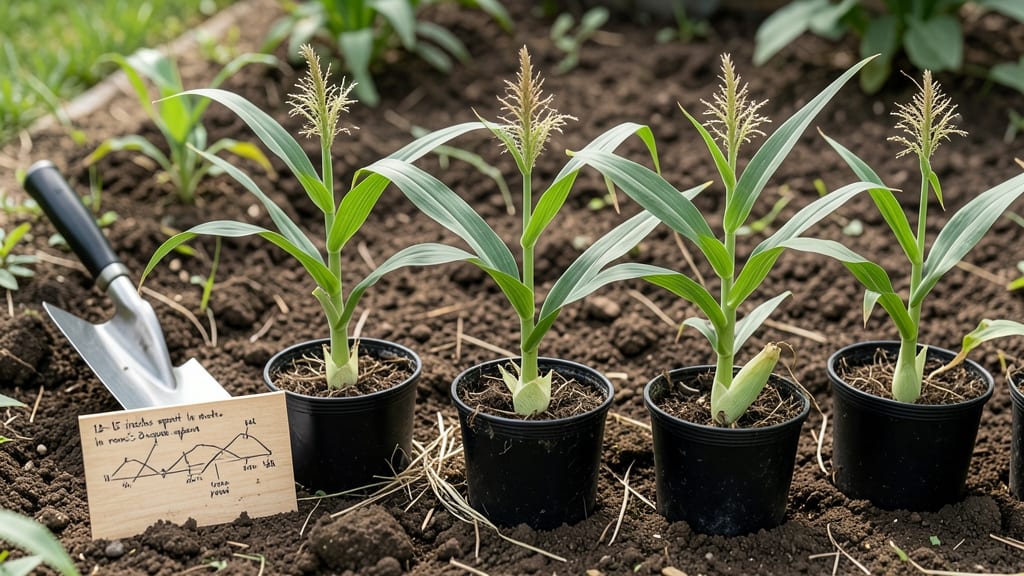
Timing your sweet corn 🌽 planting in Michigan can mean the difference between a bumper crop and wasted effort. Get the schedule right, and you’ll enjoy fresh, buttery ears from July through September—just in time for summer barbecues and family meals.
Most Michigan gardeners wait until mid-April to early May, but the exact window depends on your region’s last frost date. Whether you’re in the Upper Peninsula or southern Michigan, planting too early risks frost damage, while waiting too long could shorten your harvest season.
I’ll walk you through the ideal planting times based on soil temperature, frost patterns, and even microclimates in your area. You’ll also learn how to extend your harvest with succession planting and avoid common mistakes that ruin Michigan corn yields.
By the end, you’ll have a clear, foolproof plan to grow crisp, sweet ears all summer—no guesswork required. Let’s get started!
Michigan sweet corn planting dates by region: frost zones and soil temperature guide
Michigan’s diverse climate means your sweet corn planting dates depend heavily on your USDA zone and microclimate. The Upper Peninsula (Zone 5) has later last frosts than Southern Michigan (Zone 6), so timing your corn seeds correctly avoids frost damage while maximizing your harvest window.
Let’s break down the ideal planting times for each region, plus how to adjust for urban heat islands or rural cold pockets.
For all Michigan gardeners, the golden rule is: plant sweet corn after soil warms to 50°F+ and at least 2 weeks after your average last frost date. Cold soil slows germination, and frost will kill tender seedlings.
Use a soil thermometer to confirm warmth—this is especially critical in Zone 5 areas where spring lingers cooler. Most Michigan gardeners aim for mid-April to early May, but your exact timing shifts based on elevation and proximity to Lake Michigan, which can delay frosts by 1-2 weeks.
Here’s how to match your region’s frost dates with the right planting window for sweet corn varieties that thrive in Michigan’s 60- to 90-day growing seasons.
Whether you’re in Detroit, Traverse City, or the Upper Peninsula, these guidelines will help you avoid the 3 most common mistakes that ruin corn harvests: planting too early, ignoring soil temperature, and choosing varieties with the wrong maturity.
| Region | USDA Zone | Avg. Last Frost | Ideal Planting Window | Soil Temp. Goal | Harvest Window |
|---|---|---|---|---|---|
| Southern Michigan | 6a-6b | Late April | Mid-April to early May | 50°F+ | Late July to early Sept. |
| Northern Lower Peninsula | 5b-6a | Early May | Late April to mid-May | 55°F+ | Early August to Sept. |
| Upper Peninsula | 5a-5b | Early to mid-May | Late May to early June | 60°F+ | Mid-August to Sept. |
*Adjust dates 1-2 weeks earlier for urban areas (heat islands) or later for rural/cold pockets.
If you’re in Zone 6 (like Ann Arbor or Grand Rapids), you can push planting to early April under row covers or black plastic mulch, which warms soil faster. But avoid planting before April 15 unless you’re using protection—late frosts still sneak in!
For the Upper Peninsula, wait until after May 10 to ensure soil stays warm enough for germination.
Pro tip: Use succession planting to extend your harvest. Plant a second crop 2-3 weeks after your first batch, using shorter-season varieties (like ‘Ambrosia’ or ‘Silver Queen’) to ensure ears ripen before fall frosts.
This works especially well in Zone 6, where you can squeeze in 2 harvests before frost.
For urban gardeners, microclimates matter. A south-facing wall or paved parking lot nearby can warm soil faster, letting you plant 1-2 weeks earlier. Conversely, wooded areas or Lake Michigan’s cooler breezes may delay planting by a week.
Always check your local Michigan State University Extension frost date maps for the most precise guidance.
One
How to time sweet corn planting for maximum yield: seed depth, spacing, and succession planting tips
Sweet corn thrives when planted at the right depth and spacing, but Michigan’s short growing season demands extra precision. I’ve learned that 1-2 inches deep is ideal—any shallower risks drying, while deeper planting slows germination.
Use your finger to create small furrows, then cover seeds gently with soil to avoid burying them too deeply.
For row spacing, aim for 24-36 inches apart—this gives plants room to grow while maximizing yield per square foot. Taller varieties like 'Golden Bantam' need the full 36 inches, while shorter types like 'Silver Queen' can handle 24 inches.
I always mark my rows with stakes to avoid crowding, which leads to poor air circulation and disease.
Here’s where succession planting becomes a game-changer. By staggering plantings every 2 weeks from late April to early June, you can extend your harvest from July through September. For example, my first planting goes in after the last frost (mid-April in southern Michigan), followed by two more in May.
This ensures I’m always picking fresh ears instead of facing a glut all at once.
- Plant seeds 1-2 inches deep in warm soil (60°F+) for fastest germination.
- Space rows 24-36 inches apart—taller varieties need more room.
- Use succession planting every 2 weeks to extend harvest season.
- Thin seedlings to 10-12 inches apart once they’re 4-6 inches tall.
- Add black plastic mulch to warm soil faster in cooler regions like the Upper Peninsula.
Don’t overlook thinning seedlings, either. Once your corn sprouts and reaches 4-6 inches tall, thin to 10-12 inches apart to prevent competition. I use scissors to snip unwanted plants at soil level—it’s cleaner than pulling and less disturbing to the roots of the survivors.
This step might seem tedious, but it boosts ear size and reduces disease pressure.
For northern Michigan gardeners, consider using black plastic mulch or row covers to warm the soil and extend the season. I’ve seen soil temperatures rise by 10-15°F under plastic, letting me plant 2 weeks earlier in colder zones.
Just remove covers once plants emerge to avoid overheating. In southern Michigan, focus on succession planting to avoid a single massive harvest that spoils before you can enjoy it.
Pro tip: Plant a small patch of fast-maturing varieties (like 'Early Sunglow', ready in 60 days) alongside your main crop. These act as harvest markers, telling you when to expect your primary varieties to mature.
It’s a simple trick that saves me from guessing and ensures I’m ready to pick at peak sweetness.