
Plants
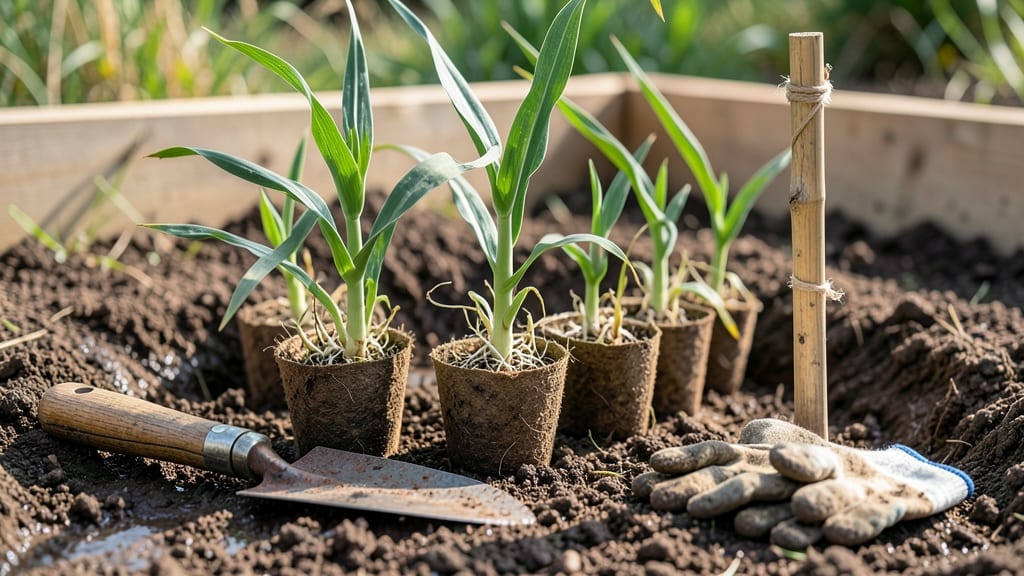
Planting corn in Missouri isn’t just about tossing seeds into the dirt—it’s about catching that perfect window when soil temperatures hit 55°F to 60°F, ensuring your 🌽 sprouts burst from the ground instead of wilting under late frosts.
Missouri’s 5b-6b climate zones throw a curveball with unpredictable springs, but timing matters more than you’d think. Plant too early, and frost will nip your seedlings before they even stand up.
Too late, and you’ll miss the sweet spot for peak harvests—late July to October—when corn should be tall, tasseling, and ready for the table.
I’ve seen gardeners in St. Louis and Kansas City struggle with this balance, but the key lies in knowing when to pull the trigger: mid-April to early June is your golden window. That’s when soil warms enough to trigger germination, and the risk of frost drops to a manageable level.
Ready to grow corn that thrives? I’ll walk you through exactly how to read your soil, pick the right varieties for your zone, and adjust for Missouri’s quirky weather—so you can go from seed to ear in record time.
Missouri corn planting calendar: best weeks by soil temperature zones
Missouri’s 5 growing zones (5a-7a) create dramatic differences in corn planting windows—northern areas like St. Louis County face 2-3 week earlier last frost dates than southern regions like Springfield. The key? Planting when soil temps hit 55°F-60°F, not air temperature.
In my Zone 6a garden near Columbia, this typically lands in mid-April, but last year’s late frost pushed us to May 1.
For 90% germination rates, aim for 60°F+ soil consistently for 5 days. Use a soil thermometer or wait for dandelions to bloom—a natural indicator in Missouri. Early plantings in Zone 5b (northwest MO) should include row covers to protect tender seedlings from 28°F+ frost risks.
Missouri’s unpredictable spring means flexibility. If your April 15 planting hits a cold snap, switch to succession planting every 2 weeks until June 1. My neighbor in Kansas City lost his entire April 5 planting to a 30°F night—a lesson in patience!
| Zone | Last Frost Date | Optimal Planting Window | Soil Temp Threshold | Adjustments |
|---|---|---|---|---|
| 5a (NW MO) | May 5 | May 15–June 1 | 60°F+ | Use black plastic mulch |
| 5b (St. Louis) | April 20 | April 25–May 10 | 55°F+ | Row covers for early plantings |
| 6a (Columbia) | April 10 | April 15–April 30 | 58°F+ | Standard planting |
| 6b (Southeast MO) | March 25 | March 30–April 15 | 55°F+ | Early varieties only |
| 7a (Springfield) | March 15 | March 20–April 5 | 52°F+ | Cold-hardy varieties |
Missouri’s climate variability means even 10-mile shifts can change your planting window by 1-2 weeks. Check your local cooperative extension office for microclimate data—my friend in Salem plants 2 weeks later than me in Columbia despite being only 30 miles apart due to river valley cooling.
For summer corn (planting after June 15), choose short-season varieties like 'Silver Queen' (70 days) to avoid fall frost. I’ve had success with July plantings in Zone 6a, harvesting by October 1 before first frost.
Just avoid planting after August 1—kernels won’t mature before first frost.
Pro tip: Test your soil in early March—Missouri’s clay-heavy soils need organic matter to warm faster. My garden’s soil hits 60°F 1 week earlier after adding composted manure last fall. Aim for 3-5% organic matter for faster warming.
Missouri’s USDA Zone 5b-7a range creates unique challenges. Northern gardeners should prioritize early-maturing varieties (under 90 days), while southerners can stretch to 110-day varieties. Always plant 2 weeks after last frost—even if soil is warm—to avoid frost damage to tender seedlings.
Remember: Corn loves heat, and Missouri’s summer temperatures are perfect for peak yields
Signs your Missouri soil is ready for corn (without a thermometer)
Testing soil temperature with a fancy thermometer isn’t always practical, but Missouri’s clay-heavy soils and unpredictable springs demand smart alternatives. The good news? You can gauge readiness using simple, field-tested methods that work even in your backyard garden.
These tricks help avoid planting too early when frost still lurks or waiting too long and missing the optimal germination window.
Start with the squish test, the simplest way to check soil warmth. Grab a handful of damp soil and gently squeeze it—if it holds its shape but crumbles when you poke it with your finger, your soil is likely between 55°F and 60°F.
This is your green light for planting. If it feels cold and mushy, wait a few days or use black plastic mulch to warm it faster.