
Plants
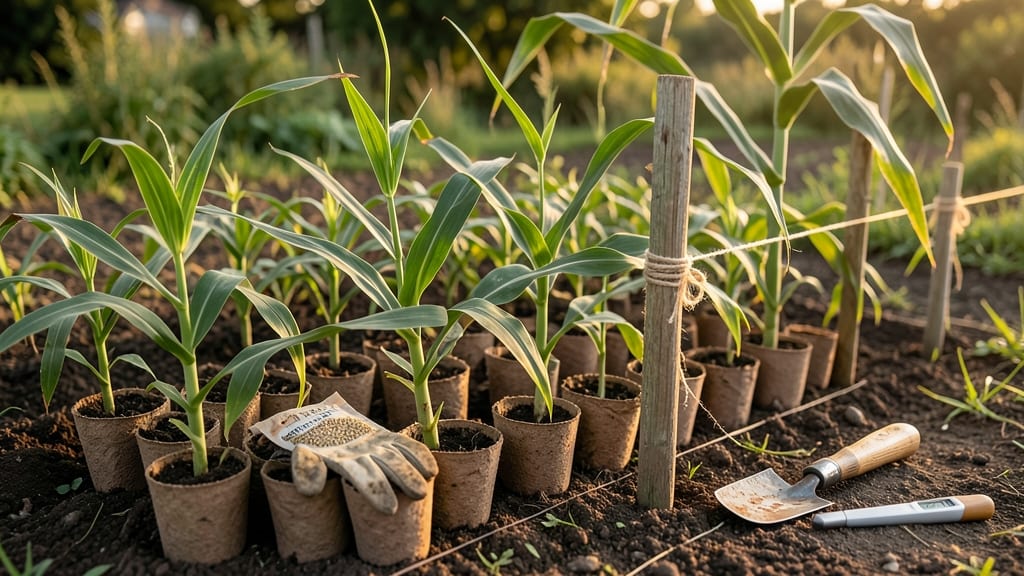
Timing your 🌽 corn planting in Pennsylvania isn’t just about the calendar—it’s about beating frost, warming soil, and regional microclimates that can make or break your harvest.
Plant too early, and your seeds may rot in cold, damp earth; too late, and you risk stunted growth or ears that never fully develop.
Most gardeners in zones 5b-7a swear by mid-April to early May as the sweet spot, but that’s just the starting point.
The real secret lies in tracking soil temperatures (aim for 60°F+ at planting depth) and knowing your last frost date—whether you’re in the warmer Southeast or cooler highlands of the Northwest.
I’ll walk you through the exact planting windows tailored to Pennsylvania’s three key regions, plus how to adjust for early vs. late varieties. With these insights, you’ll avoid common mistakes like premature bolting or frost damage, ensuring your corn reaches peak sweetness from late July through October.
Ready to turn your garden into a cornucopia? Let’s dive into the data-driven approach that separates successful harvests from disappointing patches.
Pennsylvania corn planting calendar: exact weeks by region and frost zones
Pennsylvania’s three distinct regions—Southeast, Central, and Northwest—each have unique frost patterns and soil warming speeds, making a one-size-fits-all planting date impossible.
The last average frost date varies from mid-April in the Southeast to late April in the Northwest, while soil temperatures must consistently reach 50°F+ for 1-2 weeks before planting. Corn seeds left in cold soil (45°F or below) risk rotting, so timing is everything.
For peak yields, aim to plant corn when you have 90-120 frost-free days remaining in your region. This ensures ears mature before the first killing frost (typically mid-October).
In USDA Zones 5b-7a, this translates to a 6-8 week window between the last frost and your target harvest date. Use this as your anchor when adjusting for early or late varieties.
Here’s how the ideal planting window breaks down by region, accounting for microclimates and soil temperature trends:
🌽 Pennsylvania Corn Planting Timeline by Region
| Region | Last Frost Date (Avg.) | Soil Temp Threshold | Ideal Planting Window | Frost-Free Days |
|---|---|---|---|---|
| Southeast (e.g., Philadelphia, Reading) | Mid-April | 50°F+ for 7+ days | Late April to early May | 110-130 days |
| Central (e.g., Harrisburg, Lancaster) | Late April | 50°F+ for 10+ days | Early to mid-May | 100-120 days |
| Northwest (e.g., Erie, State College) | Late April to early May | 55°F+ for 14+ days | Mid-May to early June | 90-110 days |
💡 Pro Tip: Use a soil thermometer to confirm temperatures. Corn seeds need 60°F+ soil for optimal germination.
If you’re in a high-altitude area (e.g., Poconos or Allegheny Plateau), plant 2-3 weeks later than your region’s average. These areas experience cooler soil temperatures and later frost dates, often pushing planting into late May or early June.
For example, Scranton’s last frost averages May 10, while Erie’s is closer to May 15.
For succession planting (to extend harvest), stagger plantings every 2 weeks until mid-June. This works best with short-season varieties (e.g., ‘Early Sunglow’, ‘Ambrosia’) that mature in 60-70 days.
Just ensure your final planting has enough time to reach maturity before the first frost. Use this simple formula: Days to Maturity + 14 days buffer ≤ Frost-Free Days.
Monitor NOAA frost forecasts and local agricultural extension reports (like those from Penn State Extension) for real-time adjustments. A 5-day frost warning after planting? Cover young plants with frost cloth or row covers until they’re 6 inches tall.
Don’t skip this step—32°F temperatures can kill corn seedlings in hours.
In urban gardens or microclimates (e.g., near bodies of water or in heat islands), you might plant 1-2 weeks earlier than the regional average. These areas warm up faster and may have later frost dates. Always observe your garden’s unique conditions for 3+ years to refine your planting schedule.
Finally, avoid planting corn in March unless you’re using a high tunnel or cold frame. Soil temperatures in March are typically below 50°F, and seeds will rot.
If you’re eager to start early, sprout seeds indoors 1-2 weeks before the last frost, then transplant seedlings (not seeds) into warmed soil. This buys you 2-3 extra weeks of growing time.
🌱
How to adjust planting dates for early vs late varieties in Pennsylvania
Choosing the right corn variety and adjusting planting dates based on maturity is the key to avoiding frost damage or premature bolting in Pennsylvania’s variable climate.
Early varieties mature in 60-80 days, while late varieties take 90-120 days—and that difference can mean the gap between a bountiful harvest and a wasted effort.
For southeastern PA (Zones 6b-7a), early varieties like ‘Early Sunglow’ should go in the ground by April 15-25, while late varieties like ‘Golden Bantam’ need a May 1-15 start. In central PA (Zones 5b-6a), shift those dates 1-2 weeks later to avoid late frosts.
Here’s how to calculate your exact planting window using NOAA frost data and maturity days:
Find your last frost date: Check NOAA’s climate maps for your county (e.g., Philadelphia: April 15, Pittsburgh: April 25). Add 2-3 weeks to account for soil warming.
Subtract maturity days: Early varieties (e.g., ‘Ambrosia’: 70 days) need planting 90 days before first frost (e.g., July 5 – June 25 = May 15). Late varieties (e.g., ‘Silver Queen’: 100 days) must go in by June 15.
Adjust for soil temps: Wait until soil hits 50°F+ (use a soil thermometer). In northwest PA (Zone 5b), this can delay planting until May 10-20.
Succession plant late: For a continuous harvest, sow 1-2 week intervals through June 1 (use short-season varieties like ‘Bodacious’).
Protect late plantings: If planting after May 20, use row covers or black plastic mulch to warm soil and shield from late frosts.
Pro tip: Plant in blocks, not single rows, to ensure cross-pollination and better yields. For example, a 4x4 ft block of ‘Country Gentleman’ (90-day variety) in central PA should be sown by May 1 for a late August harvest.
Remember, soil temperature matters more than air temperature—corn seeds rot below 50°F. Use a soil thermometer to confirm readiness, especially in high-altitude areas like the Poconos, where planting may need to wait until May 15.