
Plants
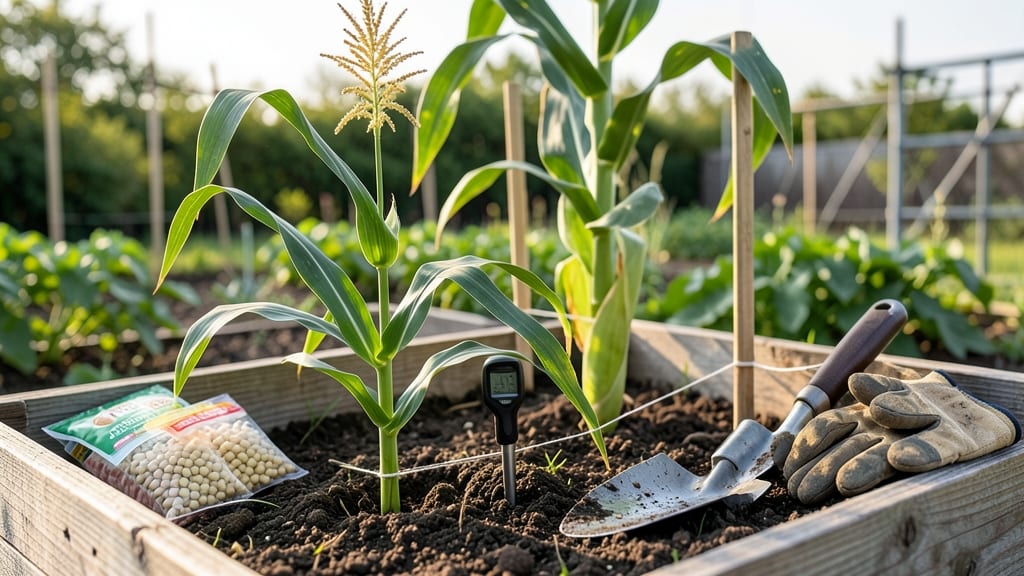
Planting corn in South Carolina at the wrong time can mean the difference between a bountiful harvest and wasted effort—especially with our 7b-8a climate. The ideal window is short but sweet: mid-April to mid-May, when soil warms to 60°F and frost risk fades completely.
But timing isn't just about dates—it's about variety, soil prep, and even your local microclimate.
Why does this matter? Because corn 🌽 thrives on consistency, and getting it wrong can lead to stunted growth, pest problems, or—worst of all—empty cobs by harvest season.
I’ve seen gardeners in Charleston rush planting only to watch their crops struggle through late spring chills, while those in Greenville wait too long and face summer drought stress. The key is balancing patience with urgency.
In this guide, I’ll break down the exact planting schedule for your region, including soil temperature tricks and variety-specific tips. Whether you’re growing sweet corn for summer meals or popcorn for fall treats, you’ll learn how to time it perfectly for peak yields—no guesswork, just results.
Let’s dive into the secrets that separate a good corn harvest from a great one, starting with the one rule that changes everything: soil temperature matters more than the calendar.
South Carolina corn planting calendar: exact months by frost zone and variety
South Carolina’s USDA Zones 7b-8a create a perfect window for growing sweet corn, field corn, and popcorn, but timing is everything. The last average frost date varies by region—March 15 in the Upstate (Greenville) and March 1 in the Coastal Plain (Charleston)—so adjust your schedule accordingly.
Planting too early risks frost damage, while waiting too late may cut your harvest short before fall frosts arrive.
For maximum yield, aim to plant when soil temperatures consistently reach 50°F+, typically mid-April to mid-May. Early varieties like 'Silver Queen' (60-70 days to maturity) can handle cooler soils, while late-season varieties like 'Peaches and Cream' (80+ days) need warmer conditions to thrive.
Coastal areas can even squeeze in a late-summer planting for fall harvests.
Here’s your region-specific planting guide with frost-free windows and ideal soil temps for each variety:
| Region | Last Frost Date | Planting Window | Soil Temp | Best Varieties |
|---|---|---|---|---|
| Upstate (Greenville) | Mid-March | Mid-April to May 1 | 55°F+ | Silver Queen, Bodacious |
| Piedmont (Columbia) | Early March | Late March to April 15 | 50°F+ | Peaches and Cream, Country Gentleman |
| Coastal (Charleston) | Early March | Late February to April 1 | 52°F+ | Ambrosia, Honey and Pearl |
| Late-Summer (All Regions) | N/A | June 15-July 15 | 60°F+ | Early maturing: Golden Bantam |
Pro tip: Use a soil thermometer to confirm temperatures before planting. Corn seeds won’t germinate below 50°F, and cooler soils slow growth. If your area experiences unpredictable frosts, opt for early-maturing varieties (60-70 days) to ensure a harvest before fall.
For extended harvests, try succession planting every 2 weeks in April and May. This staggering method keeps corn production going through July and August, when most gardeners face harvest burnout. Just remember: late plantings may not mature fully before first frost (typically mid-November in the Upstate).
If you’re growing popcorn or field corn, push planting dates slightly later (late April to early May) since these varieties need longer growing seasons (90+ days). Their hardier stalks can handle cooler soils better than sweet corn, but they still benefit from warmth and sunlight.
Don’t overlook microclimates in your garden. South-facing beds warm up faster than north-facing ones, so plant there first. If your yard has shaded spots, choose short-season varieties like 'Early Sunglow' (65 days) to avoid stunted growth.
Even a 10°F difference in soil temperature can delay germination by 3-5 days.
Finally, track your local frost dates using the SC State Climate Office or Almanac.com. In 2023, Charleston saw its last frost on March 5, while Greenville’s was March 22—a 17-day difference that matters for your planting schedule.
Adjust by 1-2 weeks if your yard is in a cooler microclimate.
With these region-specific timelines, you’ll avoid the 3 most common mistakes: planting too early (frost-killed seedlings), too late (small ears), or ignoring soil warmth (slow germination). Next, we’ll dive into soil prep and seed depth to ensure your corn gets off to a fast, healthy start.
How to time corn planting for maximum yield: soil temperature and seed depth tips
Soil temperature is the single most critical factor in corn germination success. Corn seeds won’t sprout reliably below 50°F, and growth slows dramatically under 55°F. In South Carolina, this means waiting until mid-April in most regions—even if the air feels warm.
I’ve seen gardeners rush planting in early April only to watch their seeds rot in cold, wet soil.
Use a soil thermometer (just $10 at garden centers) to check temperatures at 4-inch depth. For optimal germination, aim for 60°F+. In Coastal SC, this often happens by late March, while Upstate areas may need to wait until early May.
Warmer soils also reduce the risk of soil-borne diseases like damping-off, which thrives in cool, moist conditions.
Here are the key steps to prepare your soil and plant for maximum yield:
- Test soil temperature for 3 consecutive days at 4-inch depth—it should stay above 50°F.
- Loosen soil to 12 inches deep with a broadfork or tiller to improve drainage and root penetration.
- Add compost (2-3 inches) and work it into the top 6 inches of soil for nutrients.
- Plant seeds 1-1.5 inches deep in rows 30-36 inches apart for proper air circulation.
- Thin seedlings to 4-6 inches apart once they reach 3 inches tall to prevent overcrowding.
- Mulch with straw or grass clippings to retain moisture and suppress weeds.
Seed depth matters just as much as timing. Planting too shallow (less than 1 inch) causes seeds to dry out, while going too deep (over 2 inches) delays germination.
I recommend using a seed planting marker or a simple ruler to ensure consistency. For late plantings (June-July), use shorter-season varieties like 'Golden Bantam' (70 days) to ensure maturity before frost.
Watering plays a critical role in the first 2 weeks after planting. Keep soil consistently moist (not soggy) to encourage germination. Use a soaker hose or drip irrigation to avoid disturbing seeds.
Once seedlings emerge, reduce watering slightly to every 2-3 days—corn roots need oxygen, and overwatering can suffocate them. In drought-prone areas like the Upstate, consider mulching heavily to retain moisture.
If you’re planting in containers (e.g., large pots or grow bags), use a fast-draining mix with 50% compost and 50% potting soil. Containers warm up faster than garden beds, so you can plant 1-2 weeks earlier in Coastal SC.
Just ensure pots are at least 12 inches deep—corn roots need space to grow. Place containers in a south-facing location to maximize sunlight exposure.
Finally, monitor your corn’s progress with the 50-50-50 rule: 50% of seeds should sprout within 10-14 days if conditions are ideal. If germination drops below 50%, check for poor soil contact, disease, or old seeds.
For best results, store seeds in a cool, dry place and use them within 1-2 years of purchase.
With these soil temperature and planting tips, you’ll set your corn up for strong, healthy growth—no more wasted seeds or stunted plants. Next, we’ll cover the 3 biggest mistakes that ruin corn harvests in South Carolina and how to avoid them completely.