
Plants
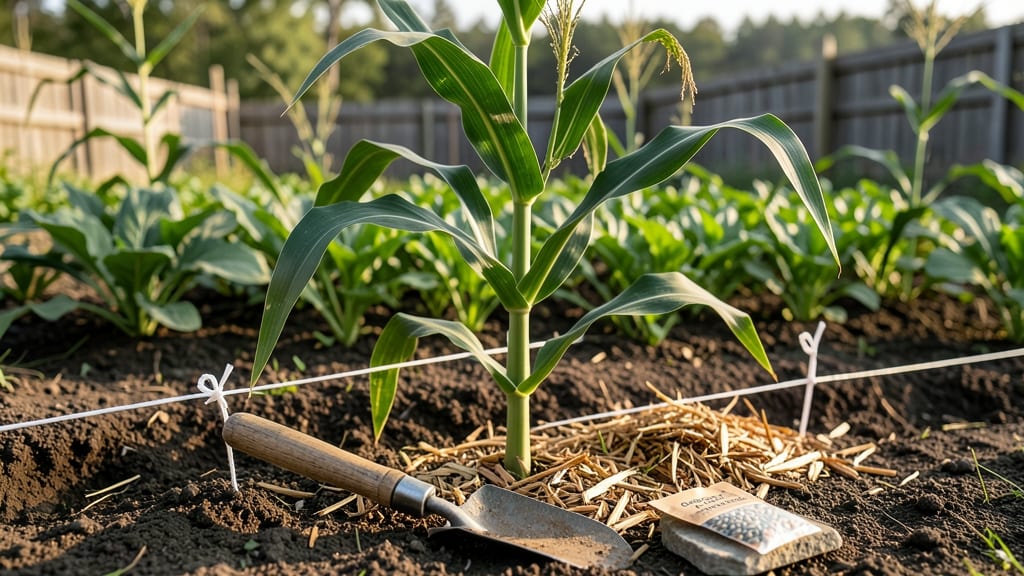
Planting corn in Tennessee isn’t a one-size-fits-all task—getting the timing wrong could mean frost-nipped seedlings or stunted harvests. With USDA zones 6a-7b offering everything from cool mountain valleys to hot river plains, knowing the right window makes all the difference for your 🌽 crop.
Most gardeners in Tennessee wait until mid-April to early June after the last frost, but that’s just the starting point. Soil temperature, elevation, and even your county’s microclimate play a bigger role than you might think.
Whether you’re in Nashville’s urban sprawl or the rolling hills of East Tennessee, the ideal planting date could vary by weeks.
This guide breaks down exactly when to plant for your specific zone, plus how to adjust for soil warmth, rainfall, and even late-summer varieties. No more guessing—just data-driven timing to maximize your harvest from July through September.
Ready to set your corn up for success? Let’s dive into the zone-specific weeks that’ll give you the healthiest, most productive crop possible in Tennessee’s unpredictable spring weather.
Tennessee corn planting calendar by USDA hardiness zones (5a to 7b)
Tennessee’s USDA Zones 5a–7b create dramatic differences in corn planting timing. In Zone 5a (eastern highlands like Bristol), wait until mid-May to avoid late frosts, while Zone 7b (Memphis area) can start as early as mid-April.
The key is planting 2–3 weeks after your last frost date when soil hits 60°F+ consistently.
Most Tennessee gardeners aim for April–early June planting windows. This ensures corn matures before first fall frosts (typically mid-October). Early varieties (60–75 days) work best in Zone 5a, while late varieties (100+ days) thrive in Zone 7b.
🌽 Historical frost data shows: Nashville (Zone 7a) averages its last frost on April 15, while Chattanooga (Zone 7b) sees it by April 5. Memphis (Zone 7b) can plant 3 weeks earlier than East Tennessee due to warmer microclimates.
| Zone | Last Frost Date | Ideal Planting Window | Best Varieties |
|---|---|---|---|
| 5a (Bristol) | May 1–15 | May 15–June 1 | Early Sweet (60–75 days) |
| 6a (Knoxville) | April 15–30 | April 30–May 15 | Mid-Season (80–90 days) |
| 7a (Nashville) | April 1–15 | April 15–May 1 | Drought-Tolerant (90–100 days) |
| 7b (Memphis) | March 20–April 5 | April 5–May 10 | Late Maturity (100–120 days) |
For Zone 5a gardeners, focus on early-maturing varieties like 'Silver Queen' (70 days) to avoid fall frosts. In Zone 7b, you can experiment with longer-season varieties such as 'Peaches and Cream' (110 days) for larger ears. Always check your local frost dates—they can shift yearly!
Pro tip: Use black plastic mulch to warm soil faster in Zone 5a, giving you a 2-week earlier planting window. This is especially helpful for late-spring frosts that can devastate young corn.
If you’re in West Tennessee’s Delta region, prioritize drought-resistant varieties due to lower rainfall. East Tennessee’s higher elevation means cooler nights, so opt for heat-tolerant hybrids that thrive in temperature swings.
Remember: Corn needs 60–90 days of warm weather to mature. Planting too late risks immature ears before frost. Use planting charts from your local Cooperative Extension office for hyper-localized advice.
For successful germination, ensure soil stays consistently moist (not soggy) for the first 2 weeks after planting. A soil thermometer is your best friend—wait until readings hit 60°F+ for 5+ days before sowing.
🌱
How to adjust corn planting for Tennessee’s microclimates (soil warmth & rainfall)
Tennessee’s microclimates create big differences in soil warmth and rainfall, which directly impact corn planting success. In the Appalachian highlands, cooler nights and shorter growing seasons demand earlier, faster-maturing varieties, while the Mississippi Delta offers longer heat exposure for late-season planting.
Even within 30 miles, your soil might be 10°F cooler or 2 weeks later to warm up.
Soil temperature is your #1 guide—corn seeds need 60°F+ soil to germinate reliably. Use a soil thermometer (or your elbow: if it feels warm to the touch, it’s ready).
In East Tennessee, this often means waiting until late April to early May, while West Tennessee gardeners can plant as early as mid-April. Rainfall patterns also matter: too much moisture early on can cause seed rot, while drought later stunts ear development.
Here’s how to fine-tune your planting for Tennessee’s three key microclimates:
⚠️ Warning: Signs of Premature Planting
Slow germination (weeks to sprout) or blackened seedling tips mean your soil was too cold. If your corn takes longer than 10–14 days to emerge, you planted too early. Solution: Wait until soil hits 60°F consistently for 5+ days, or use black plastic mulch to warm the soil faster.
Yellowing leaves after emergence? This could signal fungal disease from overcast, damp conditions—common in East TN valleys. Thin seedlings to 10–12 inches apart to improve airflow.
For high-elevation areas (e.g., Great Smoky Mountains), consider starter fertilizer to jumpstart growth in cooler soils. In lowland regions like the Cumberland Plain, prioritize drought-tolerant varieties (e.g., Pioneer Brand 39T21) and drip irrigation to prevent stress during July heat waves.
If you’re in a transition zone (e.g., Nashville’s outskirts), split your planting: sow 30% early varieties (e.g., Silver Queen) in late April and 70% late varieties (e.g., Peaches & Cream) in early May. This staggered approach extends your harvest window by 3–4 weeks.
Pro tip: Test your soil’s warmth at 4-inch depth—surface temps can be misleading. In West Tennessee, where summer heat arrives early, you can even plant a second crop in late June for a fall harvest, using short-season varieties like Ambrosia (60 days to maturity).
Remember: Corn hates cold feet. If your local forecast calls for 40°F nights after planting, cover seedlings with row fabric or a cloche until soil warms. With these adjustments, you’ll beat Tennessee’s fickle weather and enjoy corn on the cob from July through September. 🌽