Plants
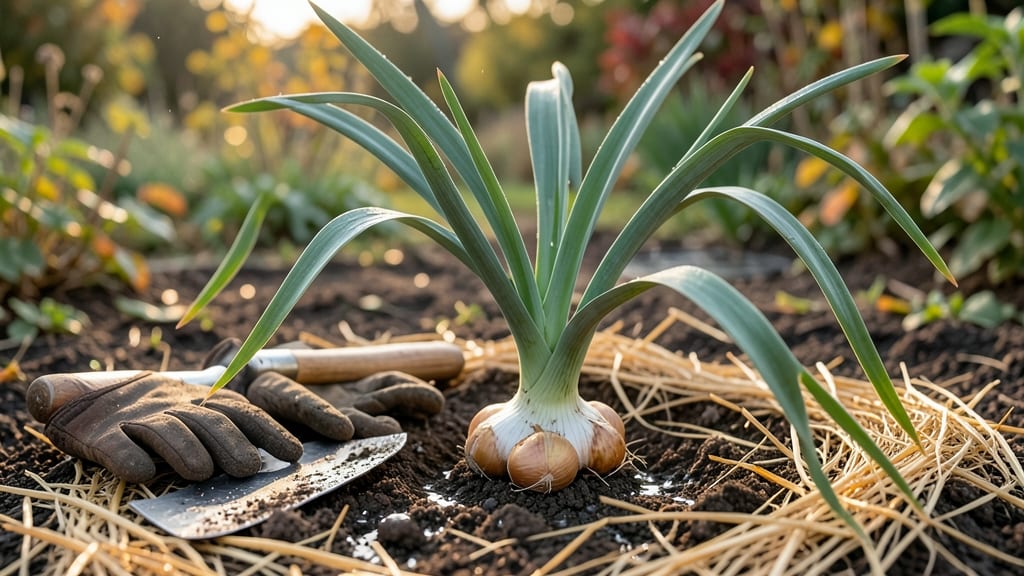
Planting garlic in Alabama at the wrong time can mean the difference between a thriving crop and wasted effort—and the secret to success lies in nailing the fall planting window.
If you've ever struggled with bolting or underdeveloped bulbs, you're not alone. But with the right timing, your 🧄 harvest could be the envy of every gardener in zones 7a-8b.
Most gardeners know garlic thrives in cooler weather, but Alabama's unique climate demands precision. Planting too early or too late can trigger premature bolting, leaving you with skinny, flavorless cloves instead of the plump, robust bulbs you crave.
The key? Understanding your local frost dates and soil conditions to create the perfect environment for growth.
In this guide, I'll break down the exact October-November window that works best for Alabama, including how hardneck and softneck varieties differ in their needs. You'll also discover soil prep secrets that make all the difference in bulb development—because even the best timing won't save a poorly prepared bed.
Let's get your garlic off to the right start so you can enjoy a bumper harvest next spring. With these insights, you'll be well on your way to growing garlic that's not just beautiful but bursting with flavor.
Optimal fall planting dates for Alabama garlic: avoiding bolting and maximizing yield
Alabama’s USDA zones 7a-8b create a unique window for garlic planting—one that demands precision if you want plump bulbs instead of bolting scapes. The key is planting 4-6 weeks before the first hard frost, which typically falls in mid-November across most of the state.
This timing ensures garlic establishes roots before winter dormancy begins.
Northern Alabama (zones 7a-7b) has slightly earlier frost dates, so aim for mid-October to early November. Southern Alabama (zone 8a-8b) can push planting until late November, but don’t wait too long—garlic needs 10-12 weeks of cool weather to form bulbs properly.
Miss this window, and you risk small, pithy bulbs or worst-case premature bolting.
Here’s the critical rule: Plant garlic when soil temperatures drop to 50-60°F at a 4-inch depth. Use a soil thermometer to check—this is your green light. If you plant too early, garlic may sprout aggressively before winter; too late, and it won’t develop properly.
Think of it as a balancing act between growth and dormancy.
For Alabama gardeners, late October is the sweet spot for most regions. This gives garlic enough time to root before the ground freezes solid. If you’re in North Alabama, don’t delay past October 31st—soil can freeze too early.
In South Alabama, you might squeeze in a late-November planting, but expect slightly smaller yields.
Pro tip: Use a garlic planting calendar based on your exact location. Check your last average frost date (typically January 15th in Alabama) and count backward. For example, if your frost date is January 10th, plant by November 20th to ensure a full growing season.
🌱 Alabama Garlic Planting Timeline
| Region | Ideal Planting Window | Soil Temp Goal | Key Consideration |
|---|---|---|---|
| North Alabama (Zones 7a-7b) | Mid-October – Early November | 50–60°F (4" depth) | Soil freezes by mid-November |
| Central Alabama (Zone 7b-8a) | Late October – Mid-November | 50–60°F (4" depth) | Balanced frost risk |
| South Alabama (Zone 8a-8b) | Late October – Late November | 55–65°F (4" depth) | Milder winters allow later planting |
⏰ Remember: Garlic needs 10–12 weeks of cold to form bulbs. Plant too late, and you’ll get small, weak cloves.
Why does timing matter so much? Garlic bulbs develop during spring growth, but they need winter chilling to trigger bulb formation. Plant too early, and garlic may bolt prematurely (send up a flower stalk) instead of focusing on bulb growth.
Plant too late, and the cold shock of winter can stunt root development, leading to poor yields.
For hardneck varieties (like 'Music' or 'German White'), timing is even more critical—they need vernalization (cold exposure) to produce scape shoots and bulbs simultaneously. Softnecks (like 'Silverskin') are more forgiving but still benefit from fall planting for maximum bulb size.
If you’re unsure which to choose, stick with hardnecks for Alabama—they handle our winters better.
One common mistake Alabama gardeners make is planting in spring. While it’s possible, spring-planted garlic rarely reaches full maturity before summer heat sets in. You’ll end up with tiny, pungent cloves instead of the plump, flavorful bulbs you crave.
Save spring planting for green garlic or scape harvesting—not full bulbs.
To maximize success, mark your calendar and plant garlic when soil temps hit 50–60°F. Use a moon planting guide (root crops like garlic thrive during the rooting moon phases) for an extra boost.
Once planted, mulch heavily with straw to protect cloves from freeze-thaw cycles and keep soil temps stable. With the right timing, you’ll harvest garlic bulbs the size of golf balls by next spring!
🌱
Optimal fall planting dates for Alabama garlic: avoiding bolting and maximizing yield
Alabama's USDA zones 7a-8b create a unique challenge for garlic growers. Unlike northern states, our mild winters demand precise timing to prevent premature bolting while ensuring bulbs develop properly before summer heat arrives.
The 6-week window before your area's first hard frost is critical—plant too early, and your garlic may bolt; too late, and it won't mature.
For most of Alabama, this means mid-October to early November is your sweet spot. Northern Alabama (zones 7a) can plant as early as late September, while southern regions (zones 8a-8b) should wait until early to mid-November.
This timing aligns with Alabama's average first frost dates, which range from mid-November in the north to early December in the south.
📅 Alabama Garlic Planting Timeline
| Region | USDA Zone | Ideal Planting Window | First Frost Date |
|---|---|---|---|
| North Alabama | 7a | Late September - Early October | Mid-November |
| Central Alabama | 7b-8a | Mid-October - Early November | Late November |
| South Alabama | 8a-8b | Early to Mid-November | Early December |
💡 Pro Tip: Use your local Cooperative Extension Service for precise frost dates in your county.
Hardneck varieties like 'Music' or 'German Red' need cold vernalization (40-50°F for 6-8 weeks) to form bulbs, making fall planting essential. Softnecks like 'Silverskin' are more forgiving but still benefit from Alabama's cool winters.
If you miss the fall window, a February planting can work, but yields will be smaller and bolting risks increase.
Watch for green shoots in spring—they signal your garlic is growing. By late March to early April, your plants should have 4-6 leaves. This is when you'll see the magic happen: those plump, papery-skinned bulbs forming underground, ready for harvest in April or May.
Alabama's humid climate can accelerate garlic's growth cycle, so don't be tempted to plant later than recommended. Late plantings often result in small, weak bulbs or—worse—bolting before bulbs mature. When in doubt, plant early in your zone's window and adjust based on soil temperatures (50-60°F is ideal).
Remember: Patience is key. Alabama's garlic won't mature overnight, but with the right timing, you'll be rewarded with bold-flavored bulbs that outshine store-bought any day. 🧄