Plants
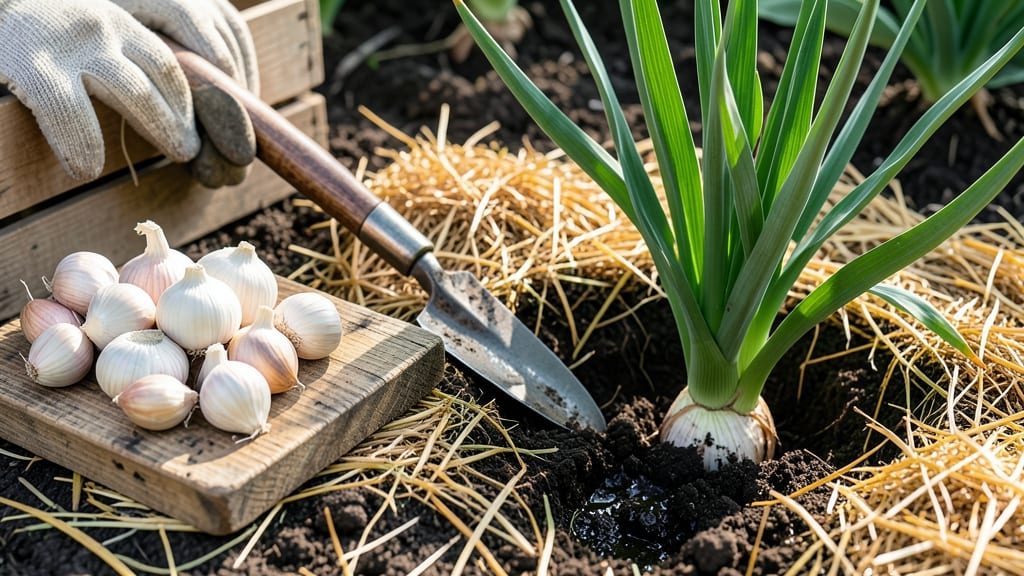
If you’ve ever wondered when to plant garlic in North Carolina, timing is the single most important factor for a successful harvest. Unlike many crops, garlic thrives when planted in fall—not spring—so getting those cloves in the ground at the right moment makes all the difference.
In zones 7a-8b, your best window is between October and November, when soil temperatures drop but before hard frost sets in. This timing lets garlic establish roots before winter dormancy, setting the stage for plump bulbs by next summer.
But here’s the catch: Coastal NC and the Piedmont have slightly different sweet spots due to microclimates.
Why does this matter? Plant too early, and your garlic might bolt. Too late, and it won’t have enough time to mature. I’ll break down the exact dates for your region, plus soil prep tips to ensure your 🧄 grows strong enough to outlast North Carolina’s unpredictable winters.
Skip the guesswork—let’s get your garlic in the ground at the perfect moment for a harvest that’ll make your neighbors jealous.
Best fall planting windows for North Carolina garlic by region
North Carolina’s diverse climate—from the Coastal Plains to the Mountains—means garlic planting times vary by USDA hardiness zones 6b-8a. Plant too early, and cloves rot; too late, and bulbs won’t mature. The ideal window is 4-6 weeks before the first hard frost, but regional adjustments are key.
For Coastal NC (Zone 8a), think mid-October to early November. The Piedmont (Zone 7a-7b) thrives with late October plantings, while Mountain regions (Zone 6b) should aim for September’s end. Moon phases also play a role—planting during a waxing moon boosts bulb development.
🌱
| Region | USDA Zone | Best Planting Window | Key Tip |
|---|---|---|---|
| Coastal Plains | 8a | Mid-October to early November | Soil stays warmer longer; watch for hurricane delays. |
| Piedmont | 7a-7b | Late October to early November | Hardneck varieties excel here; plant before first frost. |
| Mountains | 6b | Late September to mid-October | Soil freezes faster; use mulch heavily. |
The Coastal Plains offer the longest growing season, but humidity risks rot. In the Piedmont, focus on hardneck garlic like ‘Music’ or ‘German White’, which handle colder winters better. Mountain gardeners should prioritize soil insulation with straw mulch (4-6 inches) to protect cloves.
Use a soil thermometer—ideal planting temps are 40-50°F. If soil is warmer than 60°F, wait 2-3 weeks to avoid premature sprouting. Pro tip: Chit cloves (sprout indoors) for a 2-week head start in cooler zones.
🌿
North Carolina’s first frost dates shift dramatically: November 15 in the Coastal region vs. October 20 in the Mountains. Planting too close to frost stunts growth, while planting too early risks disease. Aim for 60-70 days of cool weather before harvest—typically late June in NC.
For late plantings, use row covers to extend the season. In Zone 8a, you might squeeze in a December planting, but bulbs will be smaller. Always prioritize well-draining soil—garlic hates soggy roots.
🌡️
How to time garlic planting for maximum yield in NC’s climate
North Carolina’s variable climate—from the mild Coastal Plain to the cool mountain regions—means garlic planting timing isn’t one-size-fits-all. The key is planting 4-6 weeks before the first hard frost, but local weather patterns can shift that window by weeks.
For example, in USDA Zone 7b (Piedmont), aim for mid-October, while Zone 8a (Coastal) gardeners can wait until late November. Soil temperature matters too: garlic cloves need 40-50°F soil to sprout reliably.
Use your local frost dates as a guide, but don’t rely solely on averages. Check the NC State Climate Office for recent trends—some years, early freezes hit by October 15, forcing earlier planting.
If your fall is unusually warm, delay until soil temps drop below 60°F to prevent premature sprouting. For hardneck varieties (like 'Music' or 'Chesnok Red'), cooler winters are ideal, while softneck types (like 'Silverskin') tolerate milder winters better.
🌱
- 📅 Plant 4-6 weeks before first frost—NC’s average first frost ranges from mid-November (Coastal) to early November (Mountains).
- 🌡️ Soil temp must be 40-50°F—use a soil thermometer to confirm readiness (cooler soils = better bulb formation).
- ☀️ Full sun exposure (6+ hours/day)—garlic needs winter sunlight to develop properly; avoid shaded spots.
- 🌧️ Adjust for rain—if your fall is dry, plant earlier; if wet, delay to avoid rot.
- 🌿 Moon phase matters—planting during a waxing moon (increasing light) can boost bulb development.
If you miss the ideal window, don’t panic! You can still plant garlic in early December, but expect smaller bulbs. For a spring harvest, try green garlic by planting in late winter (February-March) and harvesting young shoots.
Just remember: garlic planted after January 1 won’t form full bulbs. Pro tip: Label your rows with the planting date—this helps track which cloves mature fastest for early harvests.
Extreme weather throws a wrench into timing. If an early freeze hits, mulch planted garlic with 4-6 inches of straw to insulate cloves. Conversely, if unseasonably warm temps linger, shade young plants with row covers to prevent bolting (premature flowering).
In Zone 8a, where winters are mild, softneck varieties like 'California Early' can sometimes be planted as late as January for a summer harvest, though yields will be modest.
For maximum yield, pair timing with proper spacing: plant cloves 2 inches deep, 4-6 inches apart, and 8 inches between rows. This gives bulbs room to expand without competing.
In sandy Coastal soils, add compost to retain moisture; in clay-heavy Piedmont soil, amend with sand for drainage. A well-drained, fertile bed is non-negotiable—garlic hates soggy roots.
Finally, track your local microclimate. A south-facing slope warms faster than a north-facing valley, so adjust planting dates accordingly. Over time, you’ll learn your yard’s quirks—like how last year’s December thaw delayed your harvest by two weeks.
Keep a gardening journal to refine your timing each year. With these strategies, you’ll turn NC’s unpredictable weather into an advantage for bigger, healthier garlic bulbs.
🌿