
Plants
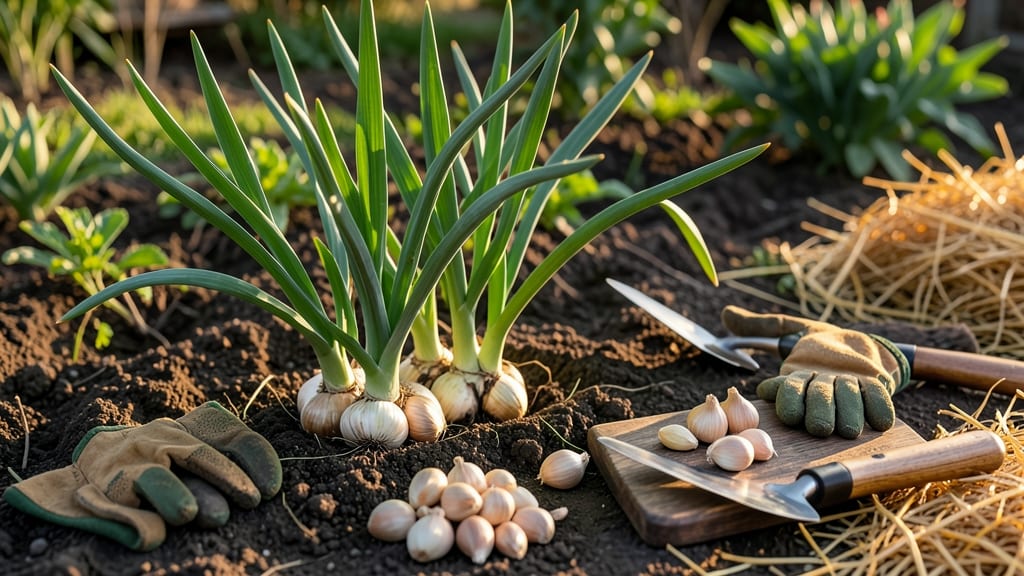
Planting garlic in Georgia at the wrong time can turn your 🧄 dreams into disappointment—because timing here isn’t just about seasons, it’s about surviving the state’s unique climate quirks.
Whether you’re a first-time gardener or a seasoned grower, missing this narrow window could mean weak bulbs or no harvest at all.
Georgia’s mild winters and humid summers create a tricky balance, but there’s a 6-8 week frost-free window that’s your golden ticket to success. I’ve seen gardeners in USDA zones 7-8 struggle when they plant too early or too late, and I’m here to help you avoid those costly mistakes.
Let’s break down the exact months that work best for your region.
You might assume spring planting is the way to go, but Georgia’s climate actually favors a fall planting strategy—and I’ll show you why hardneck varieties thrive better in cooler months. We’ll also cover soil prep secrets that make all the difference in Georgia’s heavy clay soils.
Ready to grow plump, flavorful garlic bulbs? I’ll walk you through the step-by-step process, including how to adjust for your specific corner of Georgia—whether you’re in the mountains or the coastal plains. Let’s get those cloves in the ground at the perfect time!
Georgia’s ideal garlic planting months: frost timing explained
Georgia’s USDA zones 7-8 offer a unique advantage for garlic growers—our mild winters create an ideal 6-8 week window before the first hard frost. Unlike northern states, we can grow both hardneck and softneck varieties successfully, but timing is critical to avoid weak bulbs or frost damage.
The key is planting when soil temps drop below 70°F but before temperatures consistently fall below 40°F.
Most Georgia gardeners plant garlic in October or early November, but this varies by region. North Georgia (zone 7) typically plants 2-3 weeks earlier than South Georgia (zone 8), where the frost-free window extends later.
For example, in Athens (zone 8a), I aim for mid-October, while in Dahlonega (zone 7b), I plant by late September to avoid early frosts.
Use your local first frost date as your guide. Count back 6-8 weeks from the average frost date (usually mid-November to early December) to determine your planting window.
For instance, if your frost typically hits November 15, plant by October 1 to give cloves enough time to establish roots before winter dormancy.
Pro tip: Check the National Weather Service or your local Cooperative Extension office for 30-year frost averages. These provide more reliable data than short-term forecasts. I’ve found that Mountain City (zone 7a) often gets frost by November 1, while Savannah (zone 8b) might wait until December 1.
Here’s the golden rule: Garlic cloves need 40-60 days of cold temperatures (32-40°F) to form bulbs properly. If planted too late, they won’t vernalize (experience cold) enough, resulting in small, weak bulbs. Conversely, planting too early can cause premature sprouting before winter sets in.
For hardneck garlic, which thrives in Georgia’s cooler winters, aim for late September to early October in most regions. Softneck varieties, which prefer milder winters, can tolerate a slightly later window—early to mid-October.
However, don’t push it past November 1, or you risk frost damage to young plants.
| Region | USDA Zone | Ideal Planting Window | First Frost Avg. | Notes |
|---|---|---|---|---|
| North Georgia (Chattanooga, Dahlonega) | 7a-7b | Late September - Early October | November 1-15 | Hardneck preferred; colder winters |
| Central Georgia (Athens, Macon) | 8a | Mid-October | November 15-30 | Both varieties work; watch for early frosts |
| South Georgia (Savannah, Brunswick) | 8b | Early to Mid-October | December 1-15 | Softneck excels; longer growing season |
| Coastal Georgia (Tybee Island) | 8b-9a | Mid-October - Early November | December 15 | Mildest winters; softneck recommended |
If you’re unsure about your exact frost date, use local gardeners’ reports or historical data from Georgia Climate Project. For example, in Columbus (zone 8a), gardeners often plant by October 10 to ensure bulbs mature before summer heat.
Meanwhile, in Valdosta (zone 8b), the window extends to October 25.
Remember, garlic is a cool-season crop, so it thrives in Georgia’s fall and winter. Once planted, it enters dormancy during cold months and resumes growth in late winter to early spring.
This dual-phase growth cycle is why timing your planting to align with cold vernalization is so critical for bulb development.
For a second harvest, some gardeners attempt spring planting (February-March), but results are usually smaller bulbs due to insufficient cold exposure. If you’re set on spring garlic, choose softneck varieties and plant early to maximize growth before summer heat sets in.
Finally, monitor your garden for unexpected early frosts. If
Hardneck vs. softneck garlic planting differences in Georgia
Georgia’s climate—with its mild winters and humid summers—makes it ideal for both hardneck and softneck garlic, but these varieties have key differences in planting timing and care. Hardneck thrives in Georgia’s cooler winter months, while softneck adapts better to milder conditions.
Choosing the wrong type for your microclimate can lead to smaller bulbs or even failed harvests.
Hardneck garlic, like ‘Silverskin’ or ‘Rocky Mountain’, needs cold exposure to form bulbs. In Georgia, this means planting in October or November to ensure roots establish before winter.
Softneck varieties, such as ‘Artichoke’, tolerate warmer winters and can be planted slightly later, even into December, but still before the ground freezes.
Soil preparation also differs: hardneck garlic prefers well-draining, slightly acidic soil (pH 6.0–7.0), while softneck can handle neutral to slightly alkaline soil (pH 6.5–7.5). In Georgia’s clay-heavy soils, amending with compost is critical for both types to prevent rot during the wet spring months.
🌱 Hardneck vs. Softneck Garlic in Georgia
| Factor | Hardneck Garlic | Softneck Garlic |
|---|---|---|
| Planting Window | October–November | November–December |
| Cold Requirement | Needs winter chill | Tolerates mild winters |
| Soil pH Preference | 6.0–7.0 (slightly acidic) | 6.5–7.5 (neutral) |
| Harvest Time | Late spring (May–June) | Early summer (June–July) |
| Bulb Storage | Short-term (6–8 months) | Long-term (12+ months) |
Hardneck garlic produces larger cloves and scape shoots (edible stems) in spring, making it a favorite for home gardeners. However, its bulbs store poorly compared to softneck, which stores longer and is better for braiding.
In Georgia’s USDA zones 7b–8a, hardneck may struggle in warmer microclimates, while softneck thrives year-round.
For best results, plant hardneck in North Georgia’s cooler zones (e.g., Blue Ridge Mountains) and softneck in South Georgia’s warmer areas (e.g., Coastal Plain). If you’re unsure, try both! Mixing varieties can extend your harvest window and reduce pest risks.
Remember: Spring planting is possible in Georgia but yields smaller bulbs. If you miss the fall window, opt for softneck varieties planted in early spring (February–March) for a summer harvest—just be prepared for less robust growth.