
Plants
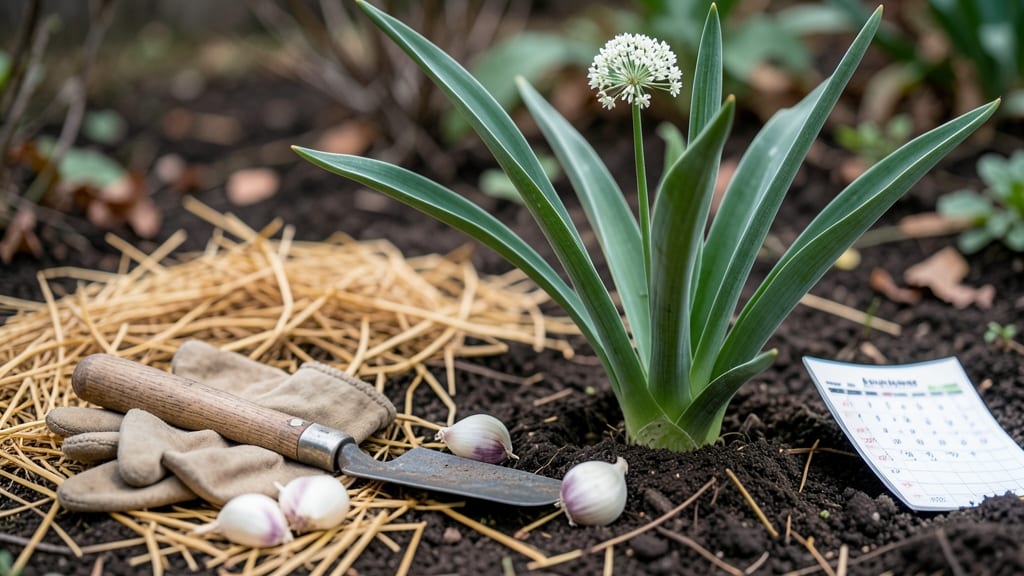
If you’ve ever planted garlic in Oklahoma and ended up with bitter, bolted cloves instead of plump bulbs, you’re not alone—but the fix is simpler than you think.
The perfect window for planting garlic here isn’t just about the calendar; it’s about syncing with Oklahoma’s 6a-7b climate to avoid those frustrating failures.
Fall is your golden opportunity, but timing matters more than most gardeners realize. Plant too early, and your garlic might bolt before winter sets in. Too late, and the cold will stunt growth.
I’ll show you exactly when to drop those cloves in Oklahoma’s soil—October to November—and how to prep your garden for zero-bolt success.
This isn’t just about throwing seeds in the dirt and hoping for the best. We’re talking soil prep, variety choices, and even mulching tricks to protect your crop through Oklahoma’s unpredictable winters.
Whether you’re a first-time grower or a seasoned gardener, these steps will help you harvest flavorful, high-yield bulbs next June or July.
Ready to turn your garlic dreams into reality? Let’s dive into the fall planting secrets that’ll make your Oklahoma garden the talk of the neighborhood.
Oklahoma’s ideal garlic planting window: month-by-month fall guide
Timing your garlic planting in Oklahoma is all about beating the first hard frost while giving roots time to establish before winter dormancy. The 6-week window between mid-October and mid-November is critical for hardneck varieties, while softnecks can tolerate slightly later plantings.
Oklahoma’s USDA Zones 6b-7a mean your exact dates depend on whether you're in Central Oklahoma (like Oklahoma City) or Western Oklahoma (like Altus).
For Central Oklahoma, aim to plant between October 1st and November 15th, with October 15th being the sweet spot. In Western Oklahoma, where winters arrive earlier, shift that window to September 20th to October 30th.
The key threshold is soil temperatures consistently below 50°F (10°C)—when that happens, your garlic needs to be in the ground.
Here’s why this timing matters: Garlic needs 40-60 days of cold stratification (below 40°F/4°C) to form bulbs properly. Plant too late, and you’ll get small, weak bulbs or even bolting (premature flowering). Plant too early, and your cloves may sprout before winter, leaving them vulnerable to frost damage.
Oklahoma’s unpredictable winters add another layer—some years bring early freezes, while others stay unusually warm. That’s why I recommend planting in two batches: the first half of your cloves by the ideal date, and the second half 2-3 weeks later as a hedge against weather surprises.
Now, let’s talk variety differences. Hardneck garlic (like ‘Music’ or ‘German White’) thrives in Oklahoma’s climate and needs that cold stratification to produce scape shoots (those edible stems). Softneck varieties (like ‘Silverskin’) are more flexible—they store better but may not perform as well in Oklahoma’s winters.
For best results, stick with hardneck varieties adapted to your zone.
One common mistake I see is planting garlic in spring. While it can work in Oklahoma’s mild winters, spring-planted garlic rarely develops full-sized bulbs. The fall planting method gives your garlic the two-phase growth cycle it needs: winter dormancy followed by spring/summer bulb development.
| Region | Ideal Planting Window | Soil Temp Threshold | Key Varieties |
|---|---|---|---|
| Central Oklahoma (OKC) | October 1–November 15 | Below 50°F (10°C) | Music, German White, Chesnok Red |
| Western Oklahoma (Altus) | September 20–October 30 | Below 45°F (7°C) | Silverskin, Rocambole (if mild winters) |
| Southeastern Oklahoma (Tulsa) | October 15–December 1 | Below 48°F (9°C) | Creole, Artichoke |
🌱 Pro Tip: Check your local Almanac frost dates and adjust by 4-6 weeks for planting.
To nail your planting window, I recommend using soil thermometers (they’re cheap and save headaches). Stick one in your garden bed at 6-inch depth—when temps drop to 50°F (10°C) consistently, it’s time to plant.
If you’re in doubt, err on the earlier side; garlic can handle light frosts once established, but it won’t survive being planted in frozen ground.
Here’s a quick Oklahoma-specific rule of thumb: If you can still dig a hole with your finger by mid-November, you’ve missed the boat. But if your soil is workable and temps are dropping, you’re golden.
Remember, hardneck garlic needs that cold to form bulbs, while softnecks are more forgiving but won’t taste as robust.
One final tip: If you’re new to garlic growing, start small with 10-20 cloves to test your timing. Oklahoma’s loamy soils are great for garlic, but drainage is key—avoid low spots where water pools. Amend your soil with compost before planting to ensure good moisture retention and nutrient availability.
With the right timing, your Oklahoma-grown garlic will reward you with bold flavor and large bulbs—far superior to store-bought. And once you master this window, you’ll be ready to tackle the next challenge: keeping it from bolting during Oklahoma’s unpredictable winters. 🧄
How to avoid garlic bolting in Oklahoma’s unpredictable winters
Oklahoma’s winters throw curveballs—warm spells in December, sudden freezes in November. These swings trigger garlic bolting, where plants flower prematurely instead of forming bulbs. The result?
Tiny, pungent cloves or no harvest at all. But with the right strategies, you can outsmart Oklahoma’s weather and grow bold, flavorful bulbs every year.
The key lies in soil prep, variety selection, and protective mulching. Hardneck varieties like ‘Music’ or ‘German White’ handle Oklahoma’s winters better than softnecks, but even they need help. Let’s break down the non-negotiables to keep your garlic focused on bulbs, not flowers.
⚠️ Bolting Warning Signs & Fixes
- ❄️ Early warm spells: Mulch immediately with straw or leaves to insulate soil.
- 🌱 Overly rich soil: Test pH (6.0-7.0) and avoid fresh manure—it spikes nitrogen.
- ☀️ Excessive sunlight: Plant in partial shade if your garden gets harsh afternoon sun.
- 🌡️ Temperature swings: Choose hardneck varieties (e.g., ‘Chesnok Red’) for better cold tolerance.
Pro Tip: If your garlic starts sending up flower stalks, snip them at the base to redirect energy into bulb growth.
Start with soil that stays cool but drains well. Oklahoma’s clay-heavy soils can trap heat, so amend with compost and coarse sand to improve aeration. Aim for 6.0-7.0 pH—garlic hates acidity. A quick test kit costs $10 and saves you from bolting disasters.
Variety matters more than you think. Hardnecks like ‘Silverskin’ or ‘Creole’ thrive in Oklahoma’s winters, while softnecks (like ‘Artichoke’) struggle with bolting. For maximum bulb size, plant ‘Music’ or ‘German White’—they’re bolt-resistant and produce 3-5 cloves per bulb.
Mulching isn’t optional—it’s your bolting insurance. After planting, cover beds with 4-6 inches of straw or leaves in late November. This locks in soil moisture and keeps temps stable. If December warms up, add a thin layer of mulch to shield cloves from heat spikes.
Watering plays a sneaky role too. Overwatering in spring triggers bolting, but drought stress does too. Stick to deep, infrequent watering (1-2 inches per week) and reduce in late spring as bulbs mature. Let the soil dry slightly between waterings to signal the plant it’s time to bulb up.
Don’t ignore the weather forecast. If a warm spell hits in January, check your garlic. If leaves start greening up too fast, add mulch immediately and avoid fertilizing—extra nitrogen speeds up growth and bolting. Oklahoma’s USDA Zone 6b-7a means winters vary wildly, so stay flexible.
Finally, harvest timing affects next year’s plants. If you harvest too early, the cloves won’t store well. Wait until lower leaves yellow and dry (usually June-July), then cure bulbs in a shady, dry place for 2 weeks.
Save the biggest, healthiest cloves for replanting—they’re your insurance for next year’s crop!
🌱