
Plants
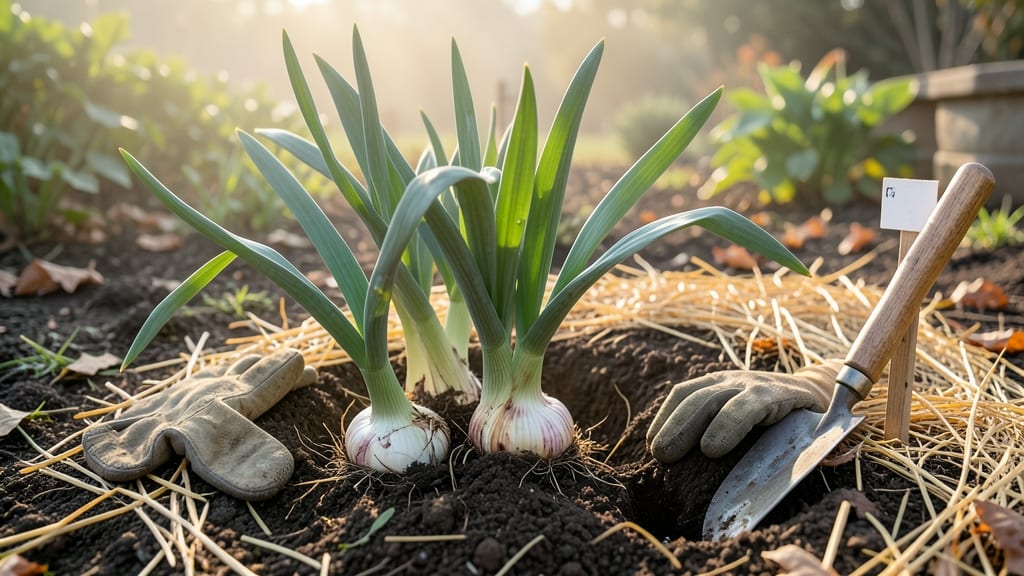
Timing your 🧄 garlic planting in Pennsylvania isn’t just about getting cloves in the ground—it’s about unlocking the best harvest your garden has ever seen.
Whether you’re growing hardneck varieties that thrive in cold winters or softneck types that prefer milder conditions, planting at the wrong time can mean smaller bulbs or even total failure.
The key to success lies in understanding Pennsylvania’s unique climate, where USDA zones 5b-7a create distinct windows for planting. Fall is the gold standard for hardneck garlic, but softneck varieties can also be planted in early spring—both strategies require precise timing to avoid frost damage or stunted growth.
I’ll walk you through the exact planting windows, soil prep tips, and regional considerations that make all the difference. By the end, you’ll know exactly when to plant for maximum yields, whether you’re a seasoned gardener or just starting your first garlic patch.
No more guesswork—just proven methods tailored to Pennsylvania’s 5b-7a zones. Let’s get those cloves in the ground at the perfect moment for a harvest you’ll be proud of.
Best planting windows for garlic in Pennsylvania: hardneck vs softneck timing guide
Pennsylvania’s USDA zones 5b-7a create a unique challenge for garlic growers—timing your planting window is everything. Unlike many vegetables, garlic thrives when planted in fall or early spring, but the exact dates depend on whether you’re growing hardneck or softneck varieties.
Get this wrong, and you risk stunted growth, poor bulb formation, or even total crop failure.
Hardneck garlic, like ‘German Red’ or ‘Music’, needs cold vernalization to form bulbs, while softneck varieties (such as ‘Silverskin’) tolerate milder winters.
In Pennsylvania, hardneck garlic planted in late fall (October-November) will produce larger bulbs and scapes, while softneck garlic can be planted in early spring (March-April) for a more forgiving harvest.
Here’s the key: Plant hardneck garlic 4-6 weeks before the ground freezes—typically mid-October to early November in most of Pennsylvania. For softneck, aim for late March to early April, once soil temperatures reach 40°F.
Miss these windows, and you might end up with weak plants or no harvest at all.
🌱
| Variety Type | Best Planting Window | Soil Temp Requirement | Key Benefit |
|---|---|---|---|
| Hardneck (e.g., 'German Red', 'Music') | October 15 - November 15 | 40-50°F (cold vernalization needed) | Larger bulbs, scape production |
| Softneck (e.g., 'Silverskin', 'Artichoke') | March 15 - April 15 | 40°F+ (no cold requirement) | Longer storage life, milder flavor |
Pennsylvania’s first frost date (typically mid-October) acts as your deadline for fall planting. If you plant too late, the cloves may not establish roots before freezing. Conversely, planting too early (before September 15) can lead to excessive foliage growth before winter, weakening the bulb.
For spring planting, wait until the soil is workable—usually after the last frost date (around mid-April). Softneck garlic planted in spring will mature 2-4 weeks later than fall-planted hardneck varieties, but it’s a great backup if you miss the fall window.
Don’t overlook soil preparation—garlic thrives in well-draining soil with a pH of 6.0-7.0. Work in 2-3 inches of compost before planting, and avoid fresh manure, which can burn cloves. In Pennsylvania’s clay-heavy soils, consider amending with sand or peat moss to improve drainage.
🌿
One common mistake? Planting garlic too shallow or too deep. Aim for 2 inches deep, with the pointed end facing upward. Space cloves 4-6 inches apart in rows 12 inches apart to allow airflow and reduce disease risk.
Mulch with straw or leaves after planting to insulate roots during winter.
Hardneck garlic planted in fall will send up scape shoots in late spring—these should be snipped off to redirect energy to bulb formation. Softneck varieties won’t produce scapes, but both types will show brown lower leaves by mid-summer, signaling harvest time is near.
✂️
Best planting windows for garlic in Pennsylvania: hardneck vs softneck timing guide
Pennsylvania’s USDA zones 5b-7a create a unique challenge for garlic growers—timing is everything. Hardneck varieties thrive in cold winters, while softneck types prefer milder conditions. Missing the 4-6 week window before your first frost can mean smaller bulbs or no harvest at all.
Let’s break down the optimal planting months for each type to maximize your yield.
For hardneck garlic, the sweet spot is mid-October to early November. This gives the cloves time to establish roots before the ground freezes. In Zone 6 and 7 areas, you can push planting to late November if soil temps stay above 40°F.
Meanwhile, softneck varieties need a gentler approach—plant them in early March to mid-April to avoid winter stress.
Soil temperature is your best friend here. Aim for 40-50°F soil—cold enough to signal dormancy but warm enough for root growth. Use a soil thermometer if you’re unsure. Pro tip: In northern PA, wait until after Thanksgiving to plant hardnecks, while southern PA gardeners can start as early as late September.
| Factor | Hardneck Garlic | Softneck Garlic |
|---|---|---|
| Best Planting Window | Mid-October to early November | Early March to mid-April |
| Soil Temp Requirement | 40-50°F (before frost) | 50-60°F (spring thaw) |
| Frost Tolerance | High (needs winter chill) | Low (avoid winter stress) |
| Harvest Time | July-August (following year) | Late June-July (same year) |
| Best For | Cold climates, flavorful scapes | Milder zones, storage longevity |
If you’re in Zone 5b, like Erie or State College, prioritize hardnecks—they’ll handle the harsh winters better. Gardeners in Zone 7a, such as Pittsburgh or Philadelphia, can experiment with both types but should plant softnecks earlier to avoid summer heat stress.
Remember: Spring planting is riskier for hardnecks—they may bolt before bulbing.
Don’t overlook moon planting trends either! Some gardeners swear by planting garlic during a waxing moon in fall for stronger roots. While not scientifically proven, it’s a fun tradition to try.
Pair your planting with a mulch layer of straw (3-4 inches) to insulate cloves through winter—this is non-negotiable in PA’s unpredictable climate.
Mark your calendar now: October 15-November 1 for hardnecks and March 15-April 15 for softnecks. These windows ensure your garlic gets the 60-90 days of cold it craves before spring growth.
Miss them, and you might end up with small, pungent bulbs instead of the plump, flavorful harvests you’re dreaming of.