Plants
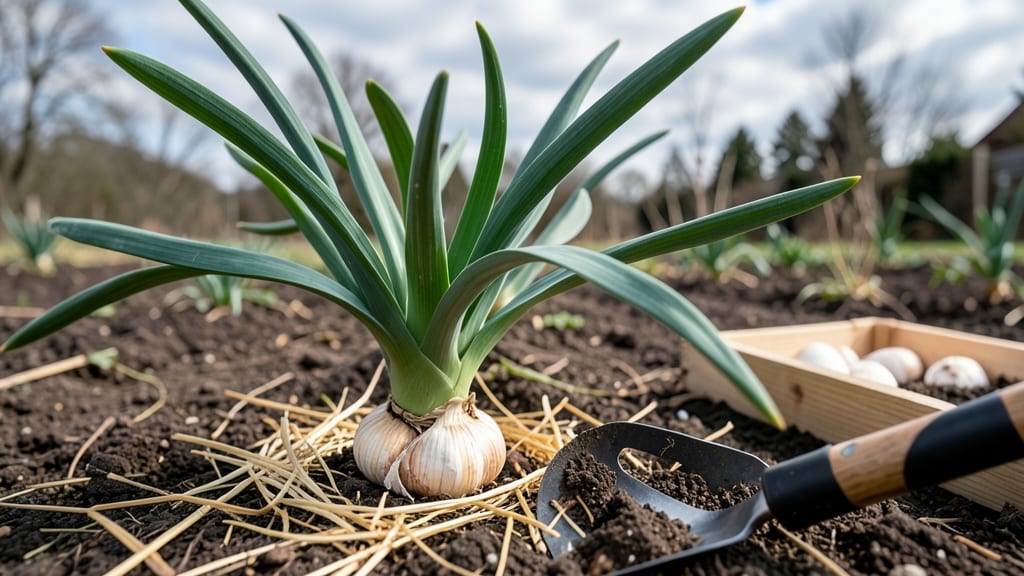
If you’ve ever planted garlic in Zone 10a only to watch it struggle through the heat or fail to bulb properly, you’re not alone—timing is everything for this hardy but picky plant. 🧄 Unlike other crops, garlic in mild-winter zones like Southern California or Phoenix thrives when planted in late fall or early winter, not spring or summer, to avoid the region’s intense heat.
The secret to growing plump, flavorful garlic here lies in understanding your microclimate. Coastal areas might handle slightly later plantings, while inland spots need garlic in the ground by December to avoid summer stress.
I’ll walk you through the exact windows—plus soil prep and care tips—to ensure your garlic establishes strong roots before the growing season kicks in.
You’ll also discover why skipping spring planting (a common mistake) leads to weak bulbs, and how to choose the best varieties for your Zone 10a garden. Whether you’re a first-time grower or a seasoned gardener, these insights will help you harvest bigger, healthier garlic from June to August.
Ready to transform your garlic game? Let’s dive into the perfect planting schedule and care routine for Zone 10a’s unique climate—so you can enjoy homegrown garlic year after year without the guesswork.
Best fall planting dates for garlic in Zone 10A
Zone 10A’s mild winters create a unique opportunity to grow garlic year-round—but timing is everything. Unlike colder zones, you can plant garlic in both fall and winter, but the optimal window is late fall to ensure strong root establishment before summer heat arrives.
For most of Zone 10A, aim for late October to early December, when soil temperatures drop below 70°F but remain frost-free.
This timing allows garlic to establish roots during cooler months while avoiding summer’s intense heat, which can stress the plant.
In coastal areas like San Diego, you might extend planting into early January, while inland regions like Phoenix outskirts should prioritize the earlier window to escape summer’s extreme temperatures.
Here’s the key: Garlic needs 120-180 days to mature, so plant 6-8 weeks before summer solstice (around June 21). For Zone 10A, this translates to planting between late October and early December for a late spring/early summer harvest.
🌱 Zone 10A Garlic Planting Timeline
| Stage | Action | Notes |
|---|---|---|
| Late October - Early December | Plant cloves 2-4" deep | Soil temp <70°F; avoid summer heat |
| January - February | Second planting window | For coastal areas with cooler winters |
| March - April | Light fertilization | Use 5-10-10 NPK ratio |
| June - August | Harvest when lower leaves brown | Avoid harvesting in peak heat |
Pro tip: Use the moon phases to your advantage. Planting during the waning moon (after the full moon) encourages root growth, which is ideal for garlic. Check a lunar planting calendar for your specific region to align with the best dates.
For hardneck varieties (like ‘Artichoke’), stick to the October-November window—they need cold exposure to form bulbs, even in Zone 10A. Softneck varieties (like ‘Silverskin’) are more flexible and can handle later plantings into early January, especially in cooler microclimates.
If you miss the fall window, don’t panic! Zone 10A’s mild winters allow for a secondary planting in January-February. Just be prepared for a slightly later harvest in late summer, as the plant will mature more slowly in warmer soil.
Remember: Garlic hates summer heat and overwatering. Planting too late can lead to bolting (premature flowering) or weak bulbs. Aim to have garlic fully established by March to avoid these issues.
Once planted, mulch with 2-3 inches of straw to retain moisture and regulate soil temperature. This is especially critical in inland Zone 10A, where daytime highs can still climb into the 80s°F even in winter.
🌱
Best fall planting dates for garlic in Zone 10A
Zone 10A’s mild winters create a unique opportunity for garlic—planting at the right time ensures strong root development before summer heat arrives. Unlike colder zones, you can plant garlic in both fall and winter, but timing matters to avoid bolting (premature flowering).
The ideal window is late October through early December, when soil temperatures drop below 75°F but remain frost-free.
For hardneck varieties, aim for late October to November to give roots time to establish before winter rains. Softneck varieties are more flexible and can handle January planting, though they’ll mature slower in Zone 10A’s heat.
Moon phases also play a role—planting during a waxing moon (when roots grow stronger) can boost success rates.
🌱 Zone 10A Garlic Planting Summary
| Variety | Best Planting Window | Soil Temp Goal | Harvest Time |
|---|---|---|---|
| Hardneck (e.g., Rocambole) | Late Oct - Early Dec | Below 75°F | June - July |
| Softneck (e.g., Artichoke) | Jan - Early Feb | Below 70°F | July - Aug |
✅ Pro Tip: Test soil temps with a soil thermometer—garlic roots need 50-60°F to establish.
Avoid planting garlic in September—soil temps are still too warm, leading to weak bulbs. Similarly, March planting risks summer bolting. For coastal areas like San Diego, extend planting to early January due to cooler ocean breezes.
Inland areas (e.g., Phoenix) should stick to fall planting to escape summer’s extreme heat.
After planting, mulch with 4-6 inches of straw to retain moisture and regulate soil temps. This is critical in Zone 10A, where summer can arrive abruptly. Remove mulch in early spring to prevent rot before harvest.
Pair this with bi-weekly watering (1-2 inches per week) to keep soil consistently moist but not soggy.
Missed the fall window? Don’t panic—Zone 10A’s mild winters allow for a second planting in January. While yields may be smaller, softneck varieties like Silverskin can still produce edible bulbs. Just reduce spacing to 3 inches apart and monitor for aphids, which thrive in warm winters.
For the biggest harvests, align planting with local rainfall patterns. In Southern California, aim for December planting to capitalize on winter rains. In Arizona’s Sonoran Desert, plant in late November and water manually.
Either way, garlic in Zone 10A rewards patience with bold flavor and year-round harvests.