
Plants
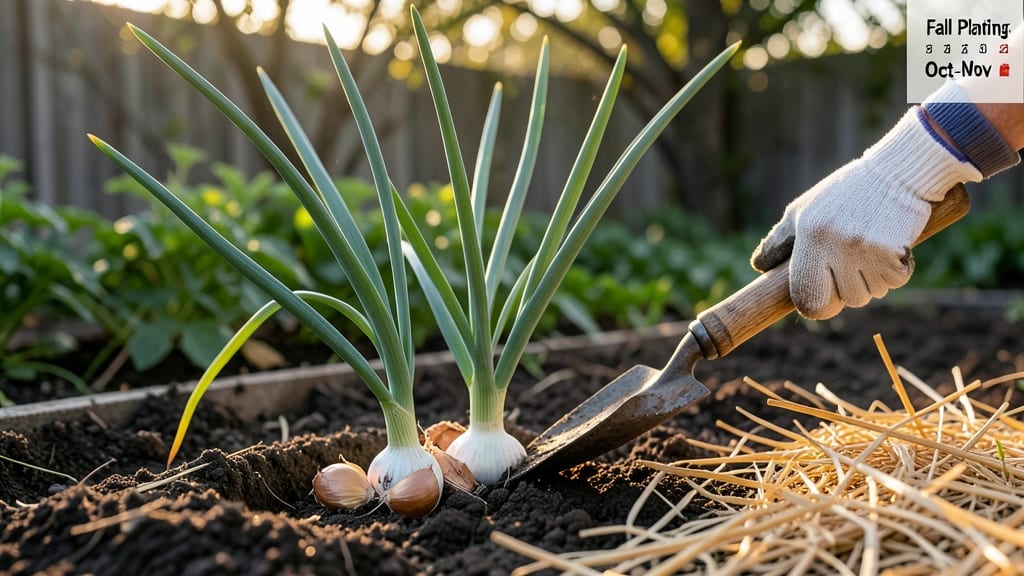
If you’ve ever wondered when to plant garlic in Wisconsin, timing is the secret to a bountiful harvest—because those plump, flavorful bulbs you dream of won’t grow if you miss the window.
Wisconsin’s unique climate, with its sharp frosts and chill-hour needs, demands precision, and planting too early or too late can mean the difference between a thriving crop and a disappointing one.
The ideal planting window in Wisconsin is late September to early October, giving cloves time to root before the ground freezes.
But there’s more to it than just the calendar—soil temperature, hardiness zones (like 5a-6b), and even the type of garlic (hardneck vs. softneck) play a role in your success. Whether you’re a seasoned gardener or just starting, getting these details right ensures your 🧄 thrives.
Let’s break down the exact steps to plant garlic in Wisconsin’s frost timeline, from soil prep to spacing, so you can avoid common mistakes and set yourself up for a harvest that’s worth the wait. Ready to grow garlic like a pro?
You’ll discover how to match your planting schedule to Wisconsin’s climate, what to do if you miss the fall window (spring planting is still an option!), and how to care for your garlic all season long.
No more guesswork—just a foolproof plan for garlic that tastes better than anything you’ve ever bought at the store.
Wisconsin garlic planting dates by chill-hour requirements
Wisconsin’s chill-hour requirements determine whether your garlic will develop into plump bulbs or just skinny stalks. Most Wisconsin gardeners fall into USDA zones 3–5, where garlic needs between 300–1,200 chill hours (temperatures below 40°F) to form properly.
Planting at the wrong time—like too early in fall or too late—can leave your garlic underdeveloped or vulnerable to rot.
Hardneck varieties (like Music or German White) thrive in Wisconsin’s climate, needing 400–800 chill hours. Softneck varieties (like Artichoke) require 800–1,200 chill hours and are better suited for Southern Wisconsin.
Northern counties (e.g., Dodge County) can grow both, while Southern areas (e.g., Walworth County) lean toward softnecks.
Here’s how to match your garlic variety to Wisconsin’s chill zones for a successful harvest:
| Variety Type | Chill-Hour Needs | Best Wisconsin Zones | Planting Window | Notes |
|---|---|---|---|---|
| Hardneck (e.g., Music, German White) | 400–800 hours | Zones 3–5 (Northern WI) | Late September–early October | Best for Northern Wisconsin; produces scape (flower stalk). |
| Softneck (e.g., Artichoke, Silverskin) | 800–1,200 hours | Zones 4–5 (Southern WI) | Early October–mid-November | Longer storage life; ideal for Southern Wisconsin. |
| Spring-Planted (e.g., Asiatic varieties) | 300–600 hours | Zones 3–5 (All WI) | Early March–April | Smaller bulbs but faster harvest; good for late-season use. |
🌱 Pro Tip: Use a chill-hour calculator (like the USDA’s) to confirm your local requirements.
For Northern Wisconsin (e.g., Dane County), aim to plant hardneck varieties by October 1st to ensure they get enough cold before winter.
In Southern Wisconsin (e.g., Racine County), you can push planting to mid-November for softnecks, but avoid planting after the ground freezes—even if it’s just a light frost.
If you’re unsure about your chill-hour total, check your last frost date (typically mid-October in most of Wisconsin) and plant 4–6 weeks before. This gives garlic time to establish roots before winter dormancy.
For example, in Green Bay, plant by September 25th; in Madison, wait until October 10th.
Spring planting is an option for Asiatic garlic, which tolerates fewer chill hours. Plant cloves in early March for a summer harvest, but bulbs will be smaller. This method works best in warmer microclimates or under row covers to extend the season.
Once you’ve picked your variety and timing, soil temperature is the next critical factor. Garlic roots best when soil temps are between 40–50°F. Use a soil thermometer to check—if temps drop below 32°F, mulch heavily with straw or leaves to protect cloves.
Remember, Wisconsin’s microclimates vary wildly. A lake-effect area near Lake Michigan might stay warmer longer, while inland spots like Wausau freeze earlier. Adjust your planting date by 1–2 weeks based on your specific location’s frost history.
Finally, hardneck garlic produces scape (a curly stem) in early summer, which you can snip off to redirect energy to bulb development. Softneck varieties don’t produce scapes, so focus on even watering and weed control instead. Both types will reward you with homegrown garlic that’s far superior to store-bought!
Step-by-step guide to planting garlic in Wisconsin’s frost timeline
Planting garlic in Wisconsin requires precise timing to align with the frost-free window and chill-hour needs. The ideal time is 4–6 weeks before the ground freezes, typically between late September and early October. This gives cloves enough time to establish roots before winter dormancy.
If you miss the fall window, you can still plant garlic in early spring (March), though bulbs may be smaller. Spring-planted garlic needs at least 8 weeks of growing season before harvest, so aim for March in Southern Wisconsin or early April in the North.
🌱 Check your last frost date—Wisconsin’s ranges from mid-October in the South to early November in the North. Planting too early (e.g., August) risks rot, while planting too late (e.g., November) may stunt bulb growth.
Here’s my step-by-step guide to planting garlic perfectly within Wisconsin’s frost timeline:
Step-by-Step Garlic Planting in Wisconsin
- 📅 Choose the right month: Late September–early October (fall) or early March (spring).
- 🌱 Select healthy cloves: Break apart a bulb, keeping only the largest, firm cloves (discard soft or sprouted ones).
- 🪴 Prep the soil: Loosen soil to 6 inches deep, mix in compost, and ensure good drainage.
- 📏 Plant at the right depth: Place cloves pointy-end up, 2 inches deep, and 6 inches apart in rows.
- 💧 Water lightly: Moisten soil after planting but avoid overwatering to prevent rot.
- ❄️ Mulch for winter: Apply 4–6 inches of straw in late fall to insulate cloves and protect from freezing.
- 🌱 Fertilize in spring: Once shoots emerge, add a balanced 10-10-10 fertilizer to encourage bulb growth.
After planting, monitor your garlic for uneven emergence—a common issue in Wisconsin’s variable climate. If some cloves sprout earlier, mulch them lightly to prevent frost damage. By late June or early July, your garlic will be ready to harvest when the lower leaves turn brown.
Pro tip: Mark your planting rows with stakes or flags to avoid disturbing the soil in spring. Wisconsin’s unpredictable weather means you’ll want to keep an eye on both frost forecasts and soil temperatures (aim for 40–50°F at planting time).