
Plants
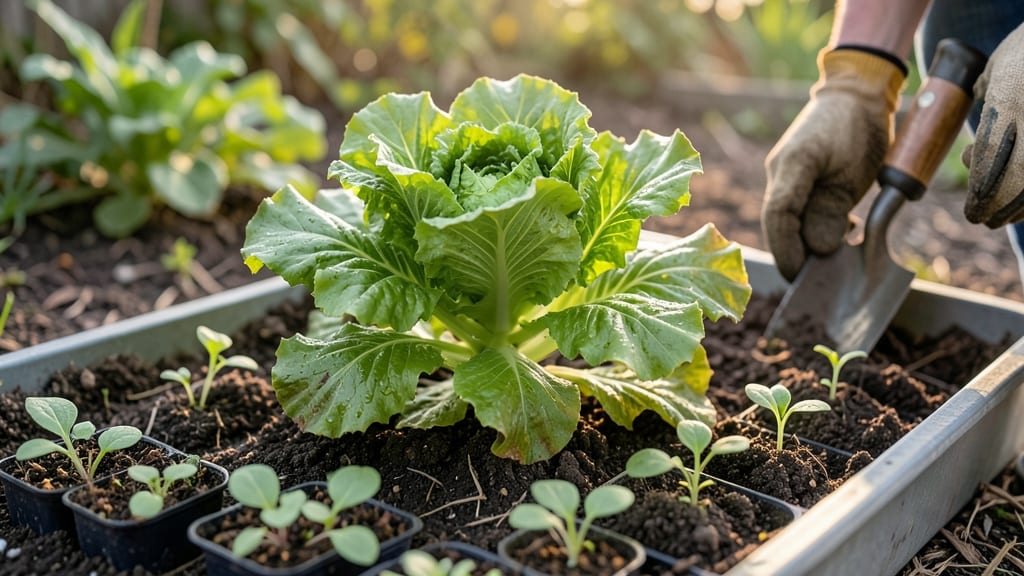
Planting lettuce in Texas isn't just about grabbing seeds and sticking them in the ground—it's about outsmarting the heat and avoiding that bitter bolt before you even taste your harvest.
The key to crisp, homegrown 🥬 lies in timing it right, whether you're in frost-prone North Texas or the warmer South.
Most Texas gardeners succeed by planting in two perfect windows: late winter to early spring (February-March) and late summer to early fall (August-September). These months give your lettuce the cooler temperatures it craves while avoiding the scorching summers that turn tender leaves into sad, wilted scraps.
But here's the secret: even within these windows, your location matters. Northern Texas gardeners can start earlier, while those in the South might need to push back planting by a few weeks to escape the brutal summer sun.
I'll show you exactly how to adapt these timing rules to your specific corner of the Lone Star State.
Ready to grow lettuce that stays sweet and crisp? Let's dive into the Texas-specific planting schedule that'll have you harvesting fresh greens from March through December—no bolting, no stress, just perfect 🥬 every time.
Texas lettuce planting calendar: best months to avoid bolting and heat stress
Timing is everything when growing lettuce in Texas, where scorching summers and unpredictable freezes can turn your crop into a disaster. The key is planting during cool-season windows—typically fall and winter—when temperatures stay between 40°F and 75°F.
Outside these ranges, lettuce either bolts (goes to seed) or wilts under heat stress. Let’s break down the optimal planting months for Texas’ three main regions: North, Central, and South.
Texas’ USDA Zones 8a-10b mean frost dates vary wildly. In the North (e.g., Dallas), the last frost is around February 15, while the South (e.g., Houston) rarely sees frost after December 15. Central Texas (Austin) falls somewhere in between.
This variability means your planting schedule should shift based on your location. For example, North Texas gardeners can start seeds indoors in January, while South Texas gardeners might wait until late January or early February.
Here’s the golden rule: Plant lettuce 4-6 weeks before your average last frost date for spring harvests, and sow seeds in late summer (August-September) for fall crops. This timing ensures your lettuce matures before summer’s brutal heat or winter’s chilling temperatures.
For example, if your last frost is March 1, aim to plant by February 1 to harvest by April before the heat sets in.
| Region | Last Frost Date | Ideal Planting Window | Harvest Window | Key Tip |
|---|---|---|---|---|
| North Texas (Dallas) | Feb 15 | Jan 15 - Feb 15 (spring) / Aug 15 - Sep 15 (fall) | Mar - May / Oct - Dec | Use row covers in winter to protect from cold snaps. |
| Central Texas (Austin) | Jan 31 | Dec 15 - Jan 31 (spring) / Aug 1 - Sep 10 (fall) | Feb - Apr / Sep - Nov | Plant heat-tolerant varieties like Romaine for summer. |
| South Texas (Houston) | Dec 15 | Jan 1 - Feb 10 (spring) / Jul 20 - Aug 20 (fall) | Feb - Apr / Sep - Dec | Avoid summer planting; use shade cloth in late fall. |
For spring lettuce, focus on February and March plantings. By April, temperatures in most of Texas will climb too high, causing lettuce to bolt. To extend your harvest, try succession planting—sow new seeds every 2 weeks in early spring for a staggered harvest.
In fall, aim for August or early September plantings so your lettuce matures before winter’s chill sets in.
Texas’ summer heat (above 90°F) is lettuce’s worst enemy. Even heat-tolerant varieties struggle when daytime temps exceed 80°F. To beat the heat, use shade cloth (30-50%) during peak afternoon sun or grow lettuce under dappled shade from trees.
If you’re determined to grow lettuce in summer, opt for quick-maturing varieties like Black Seeded Simpson, which can go from seed to harvest in 30 days.
Don’t overlook winter planting either. While Texas winters are mild, cold snaps below 30°F can damage tender lettuce leaves. Protect your plants with lightweight row covers or move containers indoors during extreme cold.
In North Texas, you might even get two harvests in winter—one in December and another in February—by planting cold-hardy varieties like Winter Density.
Pro tip: Test your soil’s temperature before planting. Lettuce seeds need soil that’s at least 40°F to germinate. Use a soil thermometer to check—if it’s below 40°F, wait a few days or use a cold frame to warm the soil.
Overwatering cold soil can lead to rot, so keep watering light until the ground warms up.
Finally, avoid planting lettuce in May or June unless you’re in South Texas and using extreme shade solutions. Even then, your yields will be poor, and the leaves will taste bitter.
Instead, save those months for heat-loving crops like okra, sweet potatoes, or malabar spinach, and enjoy your crisp, homegrown lettuce in the cooler months.
With the right timing, Texas gardeners can enjoy fresh lettuce year-round—just stay flexible and adjust for your local climate. Happy planting! 🥬
Texas lettuce planting calendar: best months to avoid bolting and heat stress
Texas gardeners face a unique challenge with lettuce: our long, hot summers and unpredictable freezes demand precise timing. Plant too early, and your cool-season lettuce bolts into bitter, seed-stalked disappointment.
Too late, and summer's 95°F+ heat wilts your crop before it even starts. The key? Two ideal planting windows—fall and spring—with regional adjustments for North, Central, and South Texas.
In North Texas (USDA Zones 7b-8a), like Dallas and Fort Worth, aim for September 15-October 15 for fall planting and February 15-March 15 for spring. Central Texas (Austin, San Antonio) can push fall planting slightly later to October 1-15 thanks to milder winters.
Meanwhile, South Texas (Zones 8b-10a) gardeners have until November 1 for fall and can start spring planting as early as January 15.
Here’s your Texas lettuce planting timeline broken down by region and season, including critical temperature thresholds to avoid bolting:
| Region | Season | Planting Window | Ideal Soil Temp (°F) | Harvest Window | Key Tip |
|---|---|---|---|---|---|
| North Texas | Fall | Sep 15–Oct 15 | 50–70°F | Nov–Dec | Use row covers after frost |
| North Texas | Spring | Feb 15–Mar 15 | 40–60°F | Mar–Apr | Shade cloth for late spring |
| Central Texas | Fall | Oct 1–15 | 55–75°F | Nov–Jan | Mulch to retain warmth |
| Central Texas | Spring | Jan 15–Feb 15 | 45–65°F | Feb–Apr | Succession plant every 2 weeks |
| South Texas | Fall | Sep 1–Nov 1 | 60–80°F | Oct–Dec | Plant heat-tolerant varieties |
| South Texas | Spring | Jan 15–Feb 28 | 50–70°F | Feb–May | Drip irrigation only |
For extended harvests, use floating row covers in fall or shade cloth (30-50%) in late spring to protect from Texas’ unpredictable heat spikes. In North Texas, covers can push your fall harvest into December, while in South Texas, shade cloth keeps lettuce crisp through April.
Pro tip: Direct-sow seeds instead of transplanting to avoid transplant shock, especially in dry Texas soils. Water deeply after planting and keep soil consistently moist—never soggy—to prevent bolting. For container gardening, use