
Planting
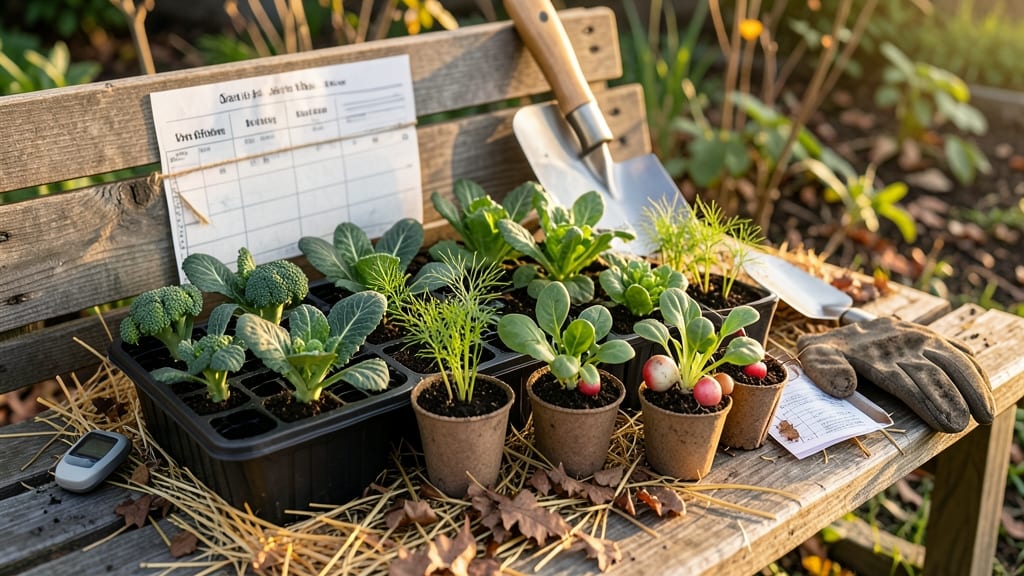
Timing your fall garden in North Texas can feel like solving a puzzle—too early, and the heat zaps your plants; too late, and frost steals your harvest. But with the right strategy, you can outsmart the 8a climate and grow a thriving garden that lasts until December.
Most gardeners wait until September to plant, but that’s not always the best move. The key is starting mid-August to mid-October, when soil temperatures drop just enough to help seeds germinate without wilting.
This window gives heat-tolerant crops like okra and sweet potatoes a fighting chance before the first frost hits around November 15.
I’ve tested these methods in North Texas gardens, and the results speak for themselves: a garden that thrives through the fall heat and delivers fresh produce until winter. Whether you’re a beginner or a seasoned gardener, these insights will help you plant with confidence and avoid common mistakes.
Ready to turn your backyard into a fall harvest goldmine? Let’s break down the exact dates, crop choices, and soil prep tricks that make all the difference in Zone 8a.
North Texas fall planting timeline: exact dates for heat-tolerant vegetables and herbs
Timing is everything in North Texas gardening, where summer heat can linger well into September. To succeed, plant your fall garden between mid-August and mid-October, aligning with the USDA Zone 8a/b frost-free window.
The key is starting 4-6 weeks before the first frost (typically around November 15), but heat-tolerant crops like okra and sweet potatoes can handle early planting.
For direct sowing, aim for late August when soil temperatures drop below 90°F. Transplants like collards and basil thrive when moved to the garden in early September, avoiding the peak summer heat.
Always check your local first frost date—North Texas varies slightly by county, but mid-October is a safe bet for most areas.
🌱
| Crop | Planting Window | Ideal Soil Temp (°F) | Notes |
|---|---|---|---|
| Okra | Mid-August to early September | 70-90°F | Direct sow; loves heat. Harvest pods at 3-4 inches. |
| Sweet Potatoes | Late August to early September | 80-90°F | Slips (not seeds) for faster growth. Cure in sun post-harvest. |
| Collard Greens | Early September to mid-October | 60-75°F | Transplant seedlings; sweeter after frost. Cut-and-come-again. |
| Basil | Early September | 70-80°F | Transplant after heatwaves. Pinch flowers for bushier growth. |
| Southern Peas | Late August to early September | 75-85°F | Direct sow; drought-tolerant. Harvest pods when plump. |
| Swiss Chard | Mid-September to October | 50-70°F | Transplant or direct sow. Cut outer leaves for continuous harvest. |
Start with okra and sweet potatoes in late August—they thrive in residual summer heat and give you an early harvest. By early September, shift to collards, basil, and southern peas, which tolerate cooler temps better.
For Swiss chard and leafy greens, wait until mid-September to avoid bolting in the remaining heat.
Use a soil thermometer to confirm temperatures before planting. Most seeds need soil at 60-70°F for germination, but heat-lovers like okra can handle up to 90°F. If your soil is still too hot, mulch heavily with straw or black plastic to cool it faster.
🌿
Don’t forget to harden off transplants if starting indoors. Acclimate seedlings to outdoor conditions over 7-10 days before planting in September. This reduces transplant shock and ensures stronger roots. For direct-sown crops, keep seeds moist until germination—North Texas’ dry winds can dry out seedbeds quickly.
Extend your harvest by planting in succession. Sow basil and Swiss chard every 2-3 weeks from September through October. This staggered approach ensures a steady supply of fresh greens and herbs until the first frost. Pair heat-tolerant crops with cooler-season varieties for a balanced fall garden.
💧
Water deeply once a week after planting to encourage root growth, then adjust based on rainfall. In late September, reduce watering slightly to every 5-7 days as temperatures drop.
Always water in the early morning to minimize evaporation and fungal risks like powdery mildew, which thrives in North Texas’ humid fall air.
Finally, protect young plants from unexpected late-season heatwaves. Use shade cloth (30-50%) over seedlings during 90°F+ days in early fall. This simple step can mean the difference between a thriving garden and a failed crop.
Critical mistakes to avoid when planting a fall garden in North Texas heat
Planting a fall garden in North Texas’ lingering summer heat is tricky—one wrong move, and your hard work could wilt before harvest. The biggest mistake? Ignoring soil temperature.
Even if air temps drop, soil stays hot, slowing germination or shocking seedlings. Always check soil temps with a probe; ideal germination range is 60–80°F for most fall crops.
Another common blunder is overwatering during the transition from summer to fall. Cool nights + hot days create fungal traps. Water deeply but early in the morning to prevent moisture from lingering on leaves.
Drip irrigation or soaker hoses are your best friends here—they deliver water at the roots where it counts.
Here’s the visual