
Vegetables
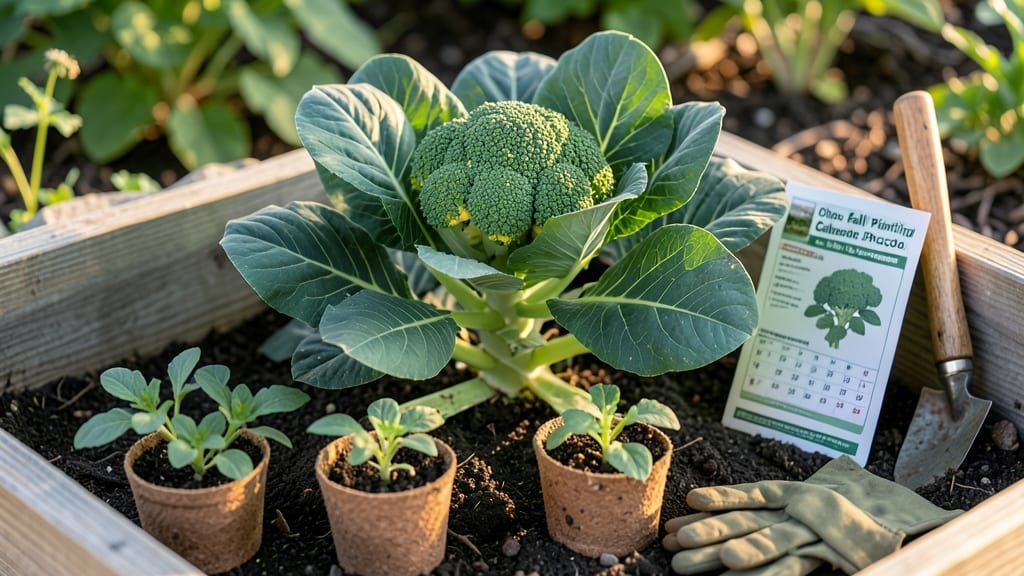
If you’ve ever stared at your Ohio garden in late September wondering whether to plant those fall vegetables 🥬 or wait too long, you’re not alone. The difference between a thriving harvest and a sad, frost-nipped disappointment often comes down to timing—and Ohio’s 6a climate demands precision.
Planting too early? Your greens bolt before they mature. Too late? Frost zaps your efforts before you even taste the rewards. The sweet spot? Mid-August to early October, when soil temps stay warm enough for seeds to germinate but nights grow cool enough for these hardy crops to shine.
I’ll break down the exact windows for your favorite fall crops—kale, carrots, broccoli, and more—plus pro tips to beat Ohio’s unpredictable weather. No more guesswork, just bountiful harvests from October through November.
Ready to turn your garden into a crisp, flavorful oasis before winter? Let’s get started.
Ohio fall planting calendar: exact dates for cool-season vegetables by region
Ohio’s fall frost dates vary by region, but most areas experience their first frost between October 10-20. To maximize your harvest, plant cool-season vegetables 4-6 weeks before the average first frost date.
For example, in Northern Ohio (USDA Zone 5b), aim for mid-August to early September, while Southern Ohio (Zone 6b) can extend planting until mid-October.
Soil temperature is just as critical as air temperature. Most cool-season crops thrive when soil temps drop below 80°F but stay above 40°F.
Test your soil in late summer to ensure it’s ready—amend with compost if needed to improve drainage and fertility. Brassicas like broccoli and kale prefer slightly acidic soil (pH 6.0-7.0), while leafy greens like spinach tolerate a wider range.
Here’s a breakdown of ideal planting windows for Ohio’s five key regions, based on local frost data and crop maturity times. Use this as your guide to avoid bolting or frost damage:
For direct-sown crops like carrots and radishes, start seeds 2-3 weeks before your region’s ideal window to give them time to germinate in cooler soil. Transplants (e.g., broccoli, cabbage) should be hardened off for 7-10 days before moving outdoors.
Hardening off means gradually exposing seedlings to outdoor conditions (sun, wind, temperature fluctuations) to prevent shock.
Pro tip: Use succession planting to stagger harvests. For example, sow spinach every 2 weeks from August through September.
This ensures a steady supply of fresh greens without overwhelming your garden at once. Leaf lettuce and arugula are also great candidates for succession planting—they mature quickly (30-45 days) and tolerate light frosts.
If you’re in a microclimate (e.g., near a lake or urban heat island), your frost dates may differ slightly. Check local records or use a frost calendar from your county extension office for precise adjustments.
For instance, Lake Erie’s cooler air can delay frost by 1-2 weeks in nearby areas like Toledo or Cleveland.
Don’t forget to mulch your beds with straw or shredded leaves after planting. A 2-3 inch layer helps retain moisture, suppress weeds, and protect roots from temperature swings.
Just avoid piling mulch directly against plant stems to prevent rot. Cold-hardy crops like kale and spinach can even survive light frosts, adding sweetness
How to extend your Ohio fall garden season without risking frost damage
Ohio’s fall frosts can arrive suddenly, but with the right strategies, you can extend harvests well into November—or even December in mild years. The key is combining season-extending tools with smart variety choices.
For example, floating row covers can push back frost by 2-4 weeks, while low tunnels add an extra 4-6 weeks of growing time for heat-sensitive crops like broccoli or cauliflower.
Start by choosing cold-tolerant varieties that thrive in Ohio’s chill. Look for labels like “winter-hardy” or “late-season.” Varieties such as ‘Winterbor’ kale, ‘Red Russian’ kale, or ‘Winter Density’ spinach can handle 20°F temperatures and even taste sweeter after frost.
Pair these with fast-maturing crops like radishes (25 days) or turnips (50 days) to maximize your late-season yields.
Season-Extending Methods for Ohio Gardens
Floating Row Covers
✅ Lightweight fabric that traps heat
✅ Extends season by 2-4 weeks
✅ Works for lettuce, spinach, carrots
❌ Requires staking for windy days
Low Tunnels
✅ Hoop houses with row covers
✅ Adds 4-6 weeks of growing time
✅ Ideal for broccoli, cabbage, kale
❌ More labor-intensive to set up
Cold Frames
✅ Solid, insulated boxes
✅ Protects from hard frosts (15°F)
✅ Great for greens, herbs, radishes
❌ Limited space for larger plants
For succession planting, focus on crops with short maturity times. Plant leaf lettuce every 10-14 days from late August through early October. This ensures a continuous harvest before frost. Pair it with radishes or turnips, which mature in 30-50 days—perfect for squeezing in late-season plantings.
Even if frost hits, these crops often survive and sweeten up after a light freeze.
Don’t overlook companion planting to protect vulnerable crops. For example, plant garlic or onions around broccoli or cabbage to deter pests like cabbage moths. These hardy alliums also improve soil health and can survive light frosts.
Another trick? Interplant fast growers like radishes with slower carrots or beets. The radishes mature first, leaving space for the roots to bulk up.
Finally, harvest strategically to prolong your garden’s life. For leafy greens like spinach or kale, harvest outer leaves first to keep the plant producing.
For root vegetables, pull them just before hard frosts hit—even if they’re not fully mature, they’ll store well in a cool, dark basement for weeks. With these tactics, your Ohio fall garden can keep yielding well into December!