
Plants
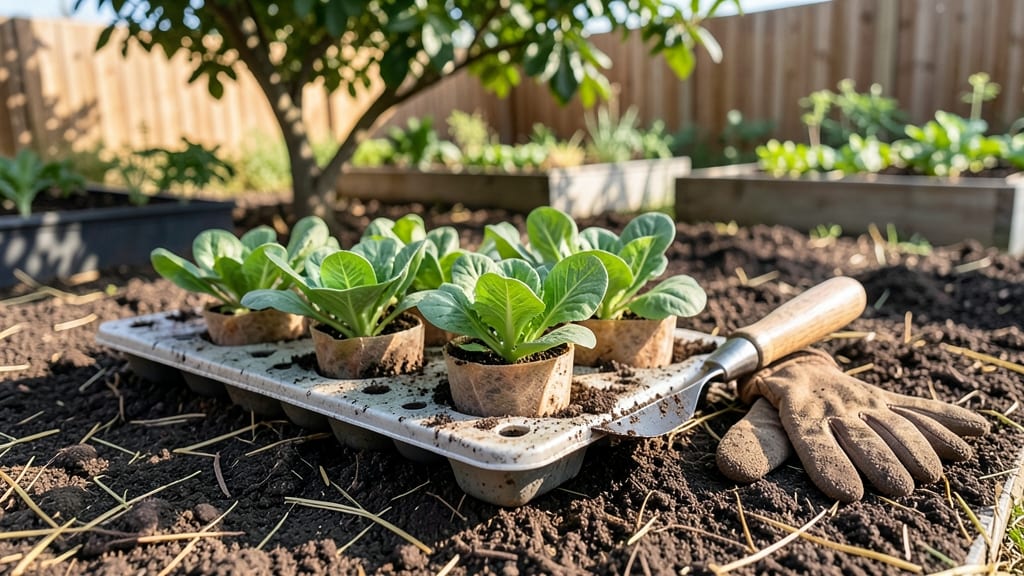
Timing your fall lettuce planting in Zone 6 can mean the difference between crisp, tender 🥬 harvests and bitter, bolted disappointment. The key isn't just throwing seeds in the ground—it's knowing exactly when to start for a perfect 8-12 week growth window before frost strikes.
I've learned the hard way that planting too early in Zone 6a leads to heat-stressed lettuce, while waiting too long risks bolting before you even taste those first leaves.
The sweet spot? Starting seeds indoors in late July or sowing directly in early August for a fall harvest that lasts through October.
What makes this even trickier is that not all lettuce varieties play by the same rules. Leaf lettuce like 'Black Seeded Simpson' handles cooler temps better than head varieties, which need precise timing to avoid woody stems.
Let me show you how to pick the right types and calculate your exact planting dates using your local frost dates.
Once you've got the timing down, we'll cover how to protect your plants from early frosts and extend your harvest season—because nobody wants to say goodbye to fresh salads when winter's just around the corner. Trust me, these strategies will have you harvesting well past Thanksgiving!
Zone 6 fall lettuce planting timeline: weeks before first frost for bolt-free growth
Timing is everything when growing fall lettuce in Zone 6. Plant too early, and your lettuce will bolt from summer heat. Plant too late, and frost will ruin your harvest.
The sweet spot? 8-12 weeks before your first frost date—typically between late July and mid-September in most of Zone 6.
For example, if your first frost arrives on October 15, aim to plant leaf lettuce varieties around August 15-20 and head lettuce closer to September 1-10. Leaf lettuce matures faster (30-45 days) and handles cooler temps better than heat-sensitive varieties like Romaine.
To find your exact frost date, check the USDA Plant Hardiness Zone Map or use local agricultural extension resources. In Zone 6, first frost dates can vary by 1-2 weeks depending on elevation and microclimates.
For instance, Pittsburgh often sees frost by October 10, while St. Louis may wait until October 20.
Pro tip: Use cold-hardy varieties like Winter Density or Arctic King for extended harvests. These can tolerate light frost (25-28°F) and even produce edible greens after a dusting of snow. Regular lettuce? It’ll turn to mush.
| Variety Type | Planting Window | Days to Harvest | Frost Tolerance |
|---|---|---|---|
| Leaf Lettuce (e.g., Black Seeded Simpson) | 8-10 weeks before frost (Aug 15-Sep 1) | 30-45 days | 25°F (light frost) |
| Butterhead (e.g., Bibb) | 9-11 weeks before frost (Aug 20-Sep 5) | 45-60 days | 28°F (mild frost) |
| Romaine (e.g., Parris Island) | 10-12 weeks before frost (Aug 25-Sep 10) | 50-65 days | 30°F (needs protection) |
| Cold-Hardy (e.g., Winter Density) | 6-8 weeks before frost (Sep 1-Sep 15) | 40-55 days | 20°F (heavy frost) |
🌱 Note: Adjust for your local frost date—use Almanac’s Frost Calculator for precision.
Soil temperature matters just as much as air temperature. Lettuce seeds won’t germinate well in soil below 50°F. Use a soil thermometer to check—if it’s cooler than that, wait a week or two. In Zone 6, soil temps drop quickly after mid-September, so don’t delay planting.
Prepare your soil with 2-3 inches of compost to retain moisture and nutrients. Lettuce is a light feeder, but rich soil prevents bitter flavors. Avoid fresh manure—it can cause bolting. Instead, mix in aged compost or worm castings for gentle nutrition.
Direct sowing is best for lettuce—it hates being transplanted. Space seeds ½ inch apart in rows 12-18 inches apart. Thin seedlings to 6-12 inches apart (closer for leaf lettuce, wider for heads). Use a small hand trowel for precision—lettuce roots are shallow and delicate.
After thinning, mulch with straw or shredded leaves to keep soil moist and suppress weeds. This is critical in Zone 6’s variable fall weather. Mulch also insulates roots from temperature swings, which can stress lettuce and trigger bolting.
Water deeply once a week (more in dry spells) to encourage deep root growth. Avoid overhead watering in the evening—wet foliage invites disease. Instead, use a drip irrigation system or soaker hose to deliver water at the soil level.
Monitor your lettuce for bolting signs: tall stems, yellowing leaves, or bitter taste. If you see this after mid-September, it’s likely due to cool nights and warm days (a classic Zone 6 fall trigger). Harvest quickly or cover plants with shade cloth to slow growth.
How to extend lettuce harvests in Zone 6: succession planting and frost protection tips
Even with perfect timing, Zone 6’s early frosts can cut your lettuce harvest short—but don’t give up just yet! With the right strategies, you can keep enjoying crisp salads well into November (or even December).
The secret lies in succession planting and smart frost protection. I’ve tested these methods in my own garden, and they’ve extended my harvest by 4-6 weeks beyond the usual October cutoff.
Start with staggered sowings every 2 weeks from mid-August through early September. This ensures a continuous supply of young leaves while older plants mature. For example, plant your first batch on August 15, then follow with new seeds on August 29, September 12, and September 26.
Use fast-maturing varieties like 'Salad Bowl' (30 days) for these later plantings—they’ll be ready just as frost arrives.
🌱 Pro Tip: Mark your planting dates on a garden calendar. I use colorful flagging tape tied to stakes to track each batch’s maturity timeline. This visual reminder prevents me from missing harvest windows.
- 📅 Succession Planting Schedule: Sow every 10-14 days from August 15-September 15 for continuous harvests
- 🛡️ Frost Protection: Use row covers (30°F tolerance) or cloches (20°F tolerance) for hardier varieties like Winter Density
- 🌡️ Variety Selection: Prioritize cold-hardy types (e.g., Arctic King) over heat-loving Romaine for late-season planting
- 💧 Water Management: Reduce watering by 30% in October to prevent fungal diseases from prolonged moisture
- 🌿 Harvest Strategy: Cut outer leaves first to extend main plant productivity by 2-3 weeks
When temperatures dip below 30°F, protect your plants with floating row covers or low tunnels. These create a 5-8°F warmer microclimate—enough to keep lettuce growing through light frosts.
For a heavy frost warning (below 25°F), cover plants with old blankets or cardboard and remove them during the day for sunlight.
Don’t overlook cold frames—they’re my go-to for extending harvests into December. A simple PVC pipe frame with plastic sheeting (cost: ~$30) can add 10-15°F of protection. Place it over your hardiest varieties like 'Winter Density' and harvest through the top. Just
For the most frost-tolerant varieties, try these Zone 6 winners:
- Winter Density (survives 20°F, 50 days to harvest)
- Arctic King (tolerates 25°F, 45 days)
- Black Seeded Simpson (handles 28°F, 30 days)
These varieties will give you edible greens even after light frosts, though they may develop a slightly sweeter flavor.
🥬 Final Tip: If frost is imminent, harvest your lettuce before dawn when temperatures are warmest. The leaves will crisp up beautifully in your fridge for up to 2 weeks—perfect for holiday salads!