
Plants
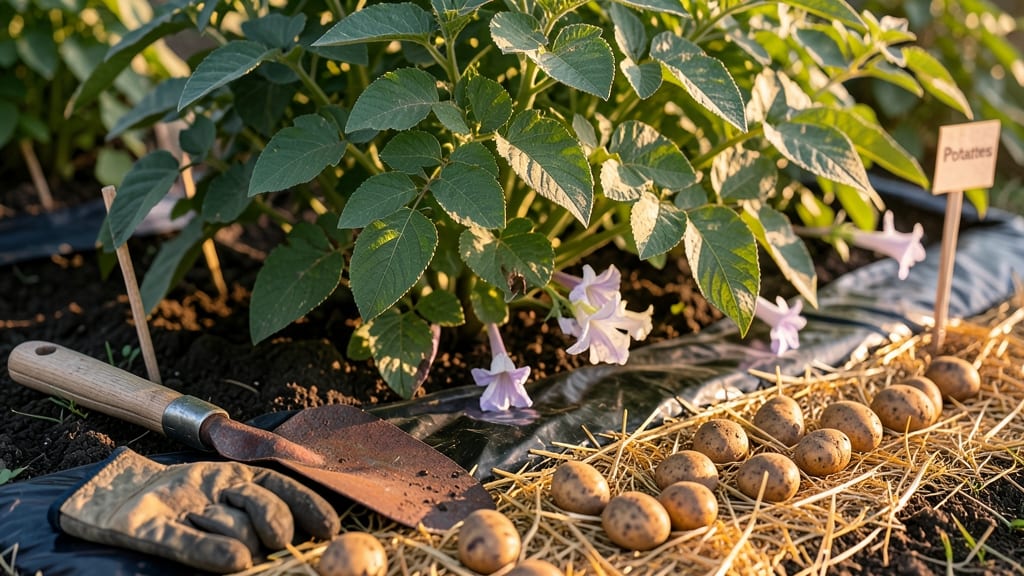
If you're a Michigan gardener, when should you plant potatoes in Michigan could make all the difference between a bountiful harvest and a disappointing one.
The key to success lies in planting 4-6 weeks before your last frost date, but with Michigan's varied climate zones, that window can shift dramatically depending on where you live.
Most gardeners in zones 5b-6b should aim to plant between early April and mid-May, once soil temperatures consistently reach 45°F. This timing ensures your potatoes have enough time to mature before summer heat sets in or early frosts arrive.
But here's the catch: planting too early can expose your young plants to frost damage, while waiting too long might leave you with stunted tubers.
In this guide, I'll break down the exact planting schedule for Michigan's three main regions—Upper Peninsula, Northern Lower Peninsula, and Southern Lower Peninsula—so you can align your planting with your local frost dates.
You'll also discover how to adjust for early, mid-season, and late varieties, plus pro tips for indoor starts if you're eager to get a jump on the season.
Whether you're a seasoned gardener or just starting out, mastering this timing will help you avoid common mistakes and maximize your potato yields. Let's get those spuds in the ground at the perfect moment!
Michigan potato planting timeline: exact weeks before last frost by region
Michigan’s diverse climate means potato planting times vary dramatically from the Upper Peninsula to Southern Lower Peninsula. To avoid frost damage or stunted growth, I’ve mapped out precise planting windows based on USDA zones 4-6 and regional frost averages.
The key? Planting 4-6 weeks before your last frost date when soil reaches 45°F—not air temperature.
For most of Michigan, this means starting seed potatoes in early April (Southern Lower Peninsula) to late April (Upper Peninsula). But don’t guess—use your local Michigan State University Extension frost calendar for exact dates.
For example, Detroit’s last frost typically falls around April 15, while Marquette’s can linger until May 10.
| Region | USDA Zone | Last Frost Date | Planting Window | Soil Temp Threshold |
|---|---|---|---|---|
| Southern Lower Peninsula | Zone 6a | April 10-15 | Early April (4 weeks before frost) | 45°F+ |
| Northern Lower Peninsula | Zone 5b | April 25-May 1 | Late April (4-5 weeks before frost) | 45°F+ |
| Upper Peninsula | Zone 4b-5a | May 5-15 | Late April to early May (5 weeks before frost) | 45°F+ |
Pro tip: Use a soil thermometer to confirm warmth—cold soil delays sprouting. If your soil is still below 45°F by mid-April, wait. Early planting in cold soil leads to blackleg disease and poor tuber formation.
For Southern Michigan gardeners, this means planting Red LaSoda or Yukon Gold by April 1 at the latest.
Michigan’s short growing season (150-180 frost-free days) demands precision. Planting too late risks harvest delays or early frost damage before tubers mature. For Northern Michigan, focus on early-maturing varieties like Kennebec (90 days) to ensure harvests before the first frost in mid-October.
Don’t overlook container growing for late starts. In Zone 5a, you can plant seed potatoes in containers as late as May 15 using black plastic pots to warm soil faster. Just ensure containers are at least 12 inches deep and use a lightweight potting mix to prevent cracking.
For organic gardeners, add compost or well-rotted manure 2-3 weeks before planting to boost soil warmth. This trick helps Upper Peninsula gardeners shave off critical weeks. Aim for 1-2 inches of compost mixed into the top 6 inches of soil.
Remember: Hilling soil (piling soil around stems) isn’t just for aesthetics—it protects tubers from green potato toxicity (caused by light exposure) and regulates soil temperature. Start hilling when plants reach 6 inches tall, adding 3-4 inches of soil every 2-3 weeks until harvest.
🌱
How to adjust planting for early vs late varieties in Michigan’s climate
Michigan’s short growing season demands strategic planning when choosing potato varieties. Early-maturing types like Red Pontiac (90 days) can handle cooler soils, while late varieties like Yukon Gold (120+ days) need warmer conditions to thrive.
The key is matching your planting timeline to each variety’s needs—especially in Michigan’s USDA Zones 5b-6b.
For early varieties, plant seed potatoes 4-6 weeks before your last frost date—typically early April in southern Michigan or late April in the Upper Peninsula. These cold-tolerant types can sprout in 45°F soil, making them ideal for Michigan’s unpredictable springs.
Late varieties, however, require soil temperatures above 50°F before planting, which often means waiting until mid-May in cooler regions.
🌱
🌱 Early Varieties (90-Day Maturity)
- Best for: Short seasons, early harvests (June-July)
- Planting time: Early April–early May (soil >45°F)
- Examples: Red Pontiac, Kennebec, Fingerling
- Pro tip: Hill soil early to protect from late frosts
🌿 Late Varieties (120+ Days)
- Best for: Longer seasons, storage potatoes (harvest Sept-Oct)
- Planting time: Mid-May (soil >50°F) or start indoors
- Examples: Yukon Gold, Russet, Purple Viking
- Pro tip: Use black plastic mulch to warm soil faster
Michigan’s humid summers also favor disease-resistant varieties. Look for types labeled blight-resistant like Adirondack Red or LaSoda to combat common fungal issues. If you’re experimenting with heirloom potatoes, opt for early-maturing varieties to avoid summer diseases entirely.
For gardeners in northern Michigan, consider staggered planting: sow early varieties in April and late varieties in early June. This extends your harvest window and reduces risk from early fall frosts. Just ensure all potatoes mature before first frost, which typically hits Michigan by mid-October.
🌡️