
Plants
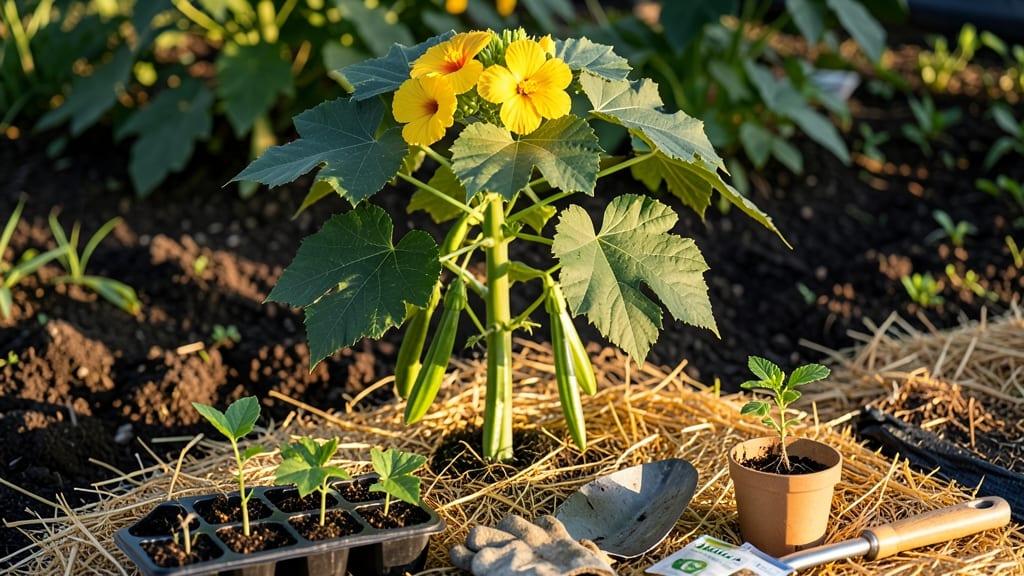
Planting okra in Arkansas isn't just about timing—it's about catching that sweet spot between last frost and scorching summer heat. If you wait too long, your plants may bolt before producing pods, while planting too early risks stunted growth from lingering cold snaps.
The key lies in understanding your USDA zone (7a-8a) and soil temperature triggers.
In Arkansas, where spring can be unpredictable, okra 🌱 thrives best when soil reaches a steady 70°F—usually mid-April to early June. This heat-loving vegetable won’t tolerate frost, so waiting until after your last expected frost date (around March 15) is non-negotiable.
But here’s the catch: rushing it can lead to poor germination or leggy plants struggling to catch up.
What makes this even trickier is Arkansas’s humid summers, which can stress okra if not planted at the right time. The good news? With the right approach, you can extend your harvest window from July through October.
I’ll show you exactly how to time it perfectly—plus soil prep secrets and variety choices that work best in our climate.
Whether you're a first-time gardener or a seasoned grower, getting the timing right means fewer wasted seeds and more homegrown pods. Let’s break down the exact steps to ensure your okra plants take off strong and keep producing all season long.
Optimal planting windows for okra in Arkansas by USDA Zone
Arkansas spans USDA Zones 7a-8a, where okra thrives in the state’s long, hot summers—but timing is everything. Planting too early risks frost damage, while waiting too late shortens your harvest window.
The key is aligning your planting with soil temperatures above 70°F and last frost dates, which typically range from March 15 in southern Arkansas to April 15 in northern regions.
For most gardeners, this means starting seeds indoors 4-6 weeks before the last frost or sowing directly outdoors in mid-April to early June.
Okra is a warm-season crop that despises cold soil. Even if daytime temperatures feel warm, soil must stay consistently above 70°F for 2-3 weeks before planting. In Arkansas, this usually aligns with late April to early May in most areas.
Varieties like 'Clemson Spineless' and 'Emerald' are popular choices for Arkansas gardeners because they tolerate the state’s high heat and humidity while still producing tender pods.
Here’s how to break it down by Arkansas’s USDA Zones to maximize your okra harvest:
| USDA Zone | Last Frost Date | Optimal Planting Window | Soil Temp Requirement | Notes |
|---|---|---|---|---|
| 7a (North AR) | April 15 | Late April to early May | 70°F+ | Use black plastic mulch to warm soil faster. |
| 7b (Central AR) | April 1 | Mid-April to late May | 70°F+ | Best for 'Burgundy' variety—heat-tolerant. |
| 8a (South AR) | March 15 | Early March to June | 65°F+ (earlier planting possible) | Longer growing season—plant in stages. |
If you’re in Zone 7a, focus on planting after April 15 to avoid late frosts.
In Zone 8a, you can start as early as mid-March, but use row covers if nights dip below 50°F. For all zones, direct-sow seeds rather than transplanting seedlings, as okra hates root disturbance.
Space seeds 12-18 inches apart in rows 3 feet apart to allow airflow and prevent fungal diseases common in Arkansas’s humid summers.
Pro tip: Arkansas’s unpredictable spring weather can throw off planting schedules. Use a soil thermometer to confirm warmth before planting. If soil temps hover around 65°F, wait another week—okra won’t germinate well in cooler conditions.
For extra protection, use black plastic mulch or straw mulch to retain heat and moisture, especially in Zone 7a where soils warm more slowly.
Once planted, okra grows rapidly in Arkansas’s heat, with mature plants reaching 6-10 feet tall. In Zone 8a, you can even squeeze in a second planting in late June for a fall harvest before the first frost in mid-November.
Just be sure to harvest pods regularly—okra pods grow fast and become tough if left on the plant too long.
For gardeners in northern Arkansas (Zone 7a), consider starting seeds indoors under grow lights in late March and transplanting after the last frost. This gives plants a head start to compensate for the shorter growing season.
In southern Arkansas (Zone 8a), you can plant year-round with minimal risk of frost, but aim for spring and fall plantings to avoid the peak summer heat, which can stress plants and reduce pod production.
Remember: okra is a short-day plant, meaning it responds to daylight length. In Arkansas, where days are long in summer, okra focuses on vegetative growth (leaves and stems) rather than flowering. To encourage flowering and pod set, ensure plants get full sun (6-8+ hours daily) and consistent moisture.
If you notice excessive leaf growth with few pods, it’s a sign your plants need more sunlight or a balanced fertilizer like 5-10-10 to shift energy toward reproduction.
Finally, keep an eye on Arkansas’s humidity levels, which can lead to powdery mildew if airflow is poor. Thin seedlings to 12 inches apart and avoid overhead watering to keep foliage dry.
With the right timing and care, you’ll be harvesting tender okra pods from July through October—just in time for gumbo season! 🌱
Optimal planting windows for okra in Arkansas by USDA Zone
Arkansas’s USDA Zones 7a-8a create a 60-day growing window for okra, but timing is everything. The key is planting after the last frost date (typically mid-April in northern Arkansas, early April in southern regions) when soil temperatures hit 70°F+.
Okra is a heat-loving annual that bolts if exposed to cold, so rushing it leads to poor germination.
For northern Arkansas (Zone 7a), aim for mid-April to early May—this aligns with Clemson Spineless and Emerald varieties thriving in 80-90°F conditions. Southern Arkansas (Zone 8a) can start 2-3 weeks earlier, around late March, but always confirm soil warmth with a soil thermometer.
| USDA Zone | Planting Window | Soil Temp Requirement | Last Frost Date | Harvest Window |
|---|---|---|---|---|
| 7a (North AR) | Mid-April to early May | 70°F+ (consistent) | March 15–April 15 | July–October |
| 7b (Central AR) | Late March to early May | 70°F+ (consistent) | March 1–April 1 | June–October |
| 8a (South AR) | Late March to early April | 68°F+ (minimum) | February 15–March 15 | May–November |
Okra seeds germinate best in warm soil, so avoid planting before April 15 unless you use black plastic mulch to raise soil temperatures. Pro tip: Pre-sprout seeds indoors 2-3 weeks before transplanting into well-drained beds—this shaves critical time off your growing season.
If you miss the spring window, don’t despair! Arkansas’s long summers allow for succession planting through early June. Just be prepared for shorter harvests if planted after June 15, as okra needs 60-75 days to mature. Varieties like 'Burgundy' tolerate heat better, making them ideal for late plantings.
For container gardening, start seeds in biodegradable pots by May 1 to avoid transplant shock. Containers warm up faster than soil, giving you a 2-week head start on the season. Just ensure pots are at least 12 inches deep—okra roots run deep!
Watch for Arkansas’s unpredictable late-spring frosts, which can still hit in May. Use frost cloth or plant near heat-retaining structures like brick walls. Once established, okra’s heat tolerance (up to 100°F) makes it a low-maintenance summer staple.