Plants
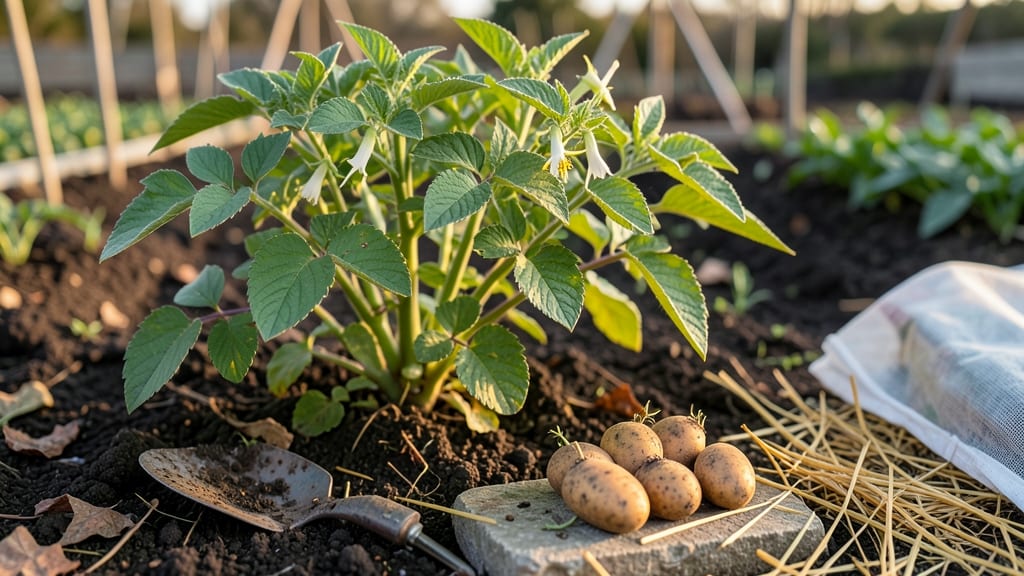
Optimal potato planting months in California by region (coastal vs inland)
California’s microclimates create wildly different potato-growing conditions. Coastal areas like San Francisco and Santa Barbara stay mild year-round, while inland valleys such as the Central Valley experience hotter summers and cooler winters.
The key to success? Planting at the right time for your specific zone—too early, and coastal fog stunts growth; too late, and inland heat stresses tubers.
Unlike many crops, potatoes thrive in cooler temperatures (ideal: 45–75°F). In California, this means focusing on fall through early spring planting. Coastal gardeners can start as early as September, while inland growers should wait until October or November to avoid summer heat stress.
Let’s break down the best months for each region to maximize your harvest yield.
| Region | Best Planting Months | Soil Temp Threshold | Frost Risk | Harvest Window |
|---|---|---|---|---|
| Coastal (SF Bay, LA, Santa Barbara) | September–March | 45–60°F | Low (rare frost) | March–May |
| Inland Valleys (Central Valley, Sacramento) | October–February | 50–65°F | Moderate (light frost possible) | April–June |
| Desert (Palm Springs, Joshua Tree) | November–January | 55–70°F | None | February–April |
| Northern CA (Sacramento, Redding) | September–February | 40–60°F | High (light frost) | March–May |
🌱 Note: Adjust for early/late varieties (see next section).
If you’re in coastal California, you can push the envelope and plant as late as March for a summer harvest, but expect smaller yields. Inland gardeners should avoid planting after February, as soil temperatures rise too quickly, leading to heat stress and poor tuber formation.
For the Central Valley, aim for October–November to align with natural rainfall patterns and cooler nights.
Pro tip: Use a soil thermometer to confirm temperatures. Potatoes won’t sprout until soil hits 45°F, and tubers develop best between 55–70°F.
In Southern California, where winters are mild, you can even plant a second crop in September for a fall harvest—just choose early-maturing varieties like Red LaSoda or Yukon Gold.
One common mistake? Assuming all of California is the same. Coastal fog in San Francisco can delay sprouting by weeks, while inland heat in Bakersfield can cause tubers to sprout prematurely.
Tailor your planting to your local microclimate, and don’t hesitate to use row covers or mulch to regulate soil temperatures.
For organic gardeners, focus on cover crops like clover to improve soil structure before planting. Inorganic growers can use balanced fertilizers (10-10-10) at planting and again when flowers appear. Both methods benefit from well-draining soil—California’s clay-heavy soils often need compost or sand amendments to prevent waterlogging.
Finally, remember that harvest timing varies by variety. Early varieties like New Potatoes can be ready in 60–70 days, while Russet Burbanks need 90–120 days.
Plan your planting window to avoid harvesting during peak summer heat, which can cause skin toughening and green tubers (toxic if exposed to light).
🌿 Start with small test plots if you’re unsure about your local conditions. Adjust based on sprouting speed and soil moisture, and soon you’ll master California’s potato-growing puzzle.
How to adjust planting time for early vs late varieties in California’s climate
Choosing the right potato varieties for California’s climate is half the battle—timing the other half. Early varieties like Yukon Gold or Red Pontiac thrive when planted in late winter (February-March) to avoid summer heat stress.
Late varieties such as Russet Burbank need a longer growing season, so plant them in October-November for a spring harvest.
California’s inland valleys (like the Central Valley) can experience late-spring frost surprises, so adjust planting dates 2-3 weeks earlier than coastal areas. For example, plant early varieties in January inland but wait until February near the coast where fog delays warming.
Soil temperature is your best guide. Aim for 45–55°F soil temps—use a soil thermometer to check.
Coastal areas hit this range in February-March, while inland zones may need October-November planting to avoid overheating. Certified seed potatoes sprout faster in warmer soil, so pre-sprout them indoors if planting early.
🌱 Key Variety Timing Guide for California
- 🌱 Early Varieties (60–90 days): Plant Feb–Mar (coastal) or Jan–Feb (inland). Ideal for Yukon Gold or Red Pontiac.
- 🌿 Mid-Season (90–110 days): Plant Oct–Nov (inland) or Jan–Feb (coastal). Perfect for Kennebec or LaSoda.
- ⏰ Late Varieties (110–130 days): Plant Oct–Nov only. Best for Russet Burbank or Idaho Russet.
- ⚠️ Heat Warning: Avoid planting after March inland or April coastal—tubers turn woody in summer heat.
45–55°F
SOIL TEMP
Don’t overlook daylength sensitivity. Longer days in California’s summer can trigger premature flowering, reducing tuber size.
For late varieties, use black plastic mulch to warm soil faster in spring or shade cloth in summer to slow growth if needed. Organic growers often use straw mulch to regulate soil temps naturally.
Pro tip: Succession plant every 2–3 weeks from October to March for a continuous harvest. Start with early varieties, then follow with mid-season and late varieties. This stretches your harvest from April to June, beating California’s summer heat.
If you’re in Southern California (Zone 10b), push planting to January–February—warmer winters mean potatoes can handle earlier starts. But avoid planting after March anywhere in the state, or you’ll risk bloom-induced tuber shrinkage. Save seeds from your best tubers for next year’s region-specific schedule!