
Companion Plants
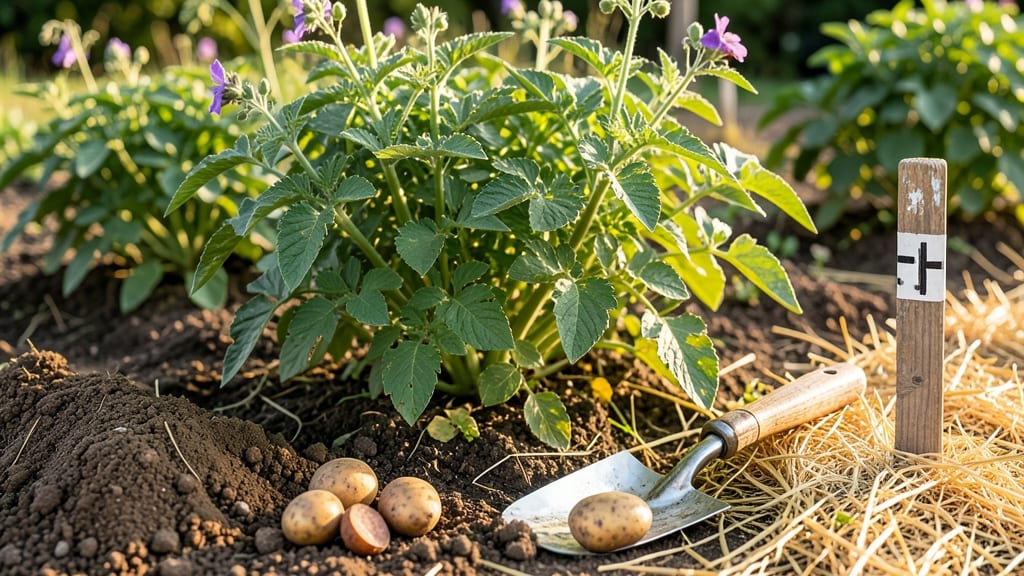
Timing when do you plant potatoes in Pennsylvania isn’t just about following a calendar—it’s about outsmarting frost, soil temperature, and your local microclimate. Get it wrong, and you’ll either lose your crop to early freezes or watch your tubers rot in soggy spring soil.
But master the right window, and you’ll unlock a harvest that rivals any grocery store haul.
Most Pennsylvania gardeners swear by planting their 🥔 potatoes in early spring, between March and April, when soil temperatures hit that sweet spot of 45°F.
Yet, in zones like 5b-7a, late-winter plantings (as early as February) can give you a jump on the season—if you’re growing cold-hardy varieties. The key? Knowing your last frost date and adjusting for regional quirks, like Pittsburgh’s slower warming soils compared to Philadelphia’s earlier springs.
Here’s the game-changer: whether you’re a beginner or a seasoned grower, the perfect planting time depends on more than just dates—it’s about soil readiness, variety selection, and even moon phases (yes, really!).
I’ll break down the exact steps to time your 🥔 potatoes for zero-frost success, so you can avoid the most common mistakes and maximize your yield.
Ready to dig in? Let’s turn your Pennsylvania garden into a potato powerhouse—without the guesswork. You’ll learn how to read your soil, pick the best varieties for your zone, and even explore fall planting for a second harvest.
No more wasted seeds or shriveled tubers—just a bumper crop of crisp, homegrown 🥔 potatoes.
Optimal Pennsylvania potato planting dates by region (spring vs fall guide)
Planting potatoes in Pennsylvania requires precision—especially with its USDA zones 5b-7a and variable frost dates. The key? Plant 2-4 weeks before your last frost date, when soil hits 45°F (7°C).
But timing varies wildly between Philadelphia (last frost: March 15) and Pittsburgh (April 15). Let’s break it down by region to avoid frost damage and ensure a high-yield harvest.
Spring planting dominates, but fall planting (late summer) extends harvests. Early varieties like Yukon Gold thrive in cooler spring soil, while Red Pontiac handles summer heat. Below, we’ll map out planting windows, soil prep, and regional tweaks to maximize your potato harvest.
🌱
For Southeast PA, early varieties like Yukon Gold can go in as soon as February 20 if soil warms quickly.
In Pittsburgh’s cooler climate, wait until late March to avoid frost damage. Fall planting (late July) is riskier but extends harvests—ideal for storage varieties like Red Pontiac.
Pro tip: Use a soil thermometer to confirm readiness. Cold soil delays sprouting, while overheated soil (above 85°F) can scorch tubers. Aim for 50-70°F (10-21°C) for optimal growth.
🌡️
Prep your planting beds 2-3 weeks ahead: loosen soil to 12 inches deep, mix in compost, and avoid fresh manure (it burns tubers). Spacing matters: plant seed potatoes 12 inches apart, rows 30 inches apart for airflow. Hill soil around vines every 2 weeks to prevent greening (toxic solanine buildup).
In Pennsylvania’s humid summers, prioritize disease-resistant varieties like Adirondack Blue or Kennebec. Rotate crops yearly to avoid blight and scab. For container growing, use 5-gallon pots with drainage—just plant 1-2 potatoes per pot.
🪴
Don’t miss the fall planting window (late July) if you want a second harvest. Choose fast-maturing varieties (90-day cycle) to beat the first frost. In Philadelphia, this means harvesting by November 15; in Pittsburgh, aim for October 15.
Cure tubers in a cool, dark place for 1-2 weeks before storage.
Final tip: Mark your
Fall vs spring potato planting in PA: pros, cons, and best varieties for each
Deciding between spring and fall planting for potatoes in Pennsylvania depends on your harvest goals and climate resilience. Both methods work, but each has distinct advantages and challenges. Let’s break down the key differences to help you choose the best approach for your garden.
Spring planting is the most common and reliable method for Pennsylvania gardeners. It aligns with the natural growing season, reducing risks of early frost damage and disease pressure. However, fall planting can extend your harvest window and reduce competition for garden space in spring.
Yukon Gold and Kennebec varieties thrive in spring plantings due to their longer maturity times (90-120 days). For fall plantings, opt for early-maturing varieties like Red Pontiac or LaSoda, which can complete their growth cycle before the first frost.
Spring Planting
- Longer growing season
- Higher yield potential
- Lower disease risk
- Competition for spring garden space
- Requires earlier soil prep
- Slower initial growth
Fall Planting
- Extended harvest window
- Less spring garden competition
- Potential for earlier harvest
- Higher frost risk
- Limited variety options
- Shorter growing season
If you’re in southern Pennsylvania (e.g., Philadelphia), fall planting can work well with early-maturing varieties planted in late August. In northern regions (e.g., Erie), stick to spring planting to avoid frost risks entirely. Always check your last frost date and plant accordingly.
For fall plantings, aim to harvest before the first frost—typically by late October in most of PA. Store any remaining tubers in a cool, dark place (40-50°F) to extend their shelf life. If you’re unsure, spring planting offers more flexibility and higher success rates for beginners.
Experiment with both methods over a few seasons to see what works best for your specific microclimate and garden conditions. With the right variety and timing, you could enjoy two potato harvests per year in Pennsylvania!