
Plants
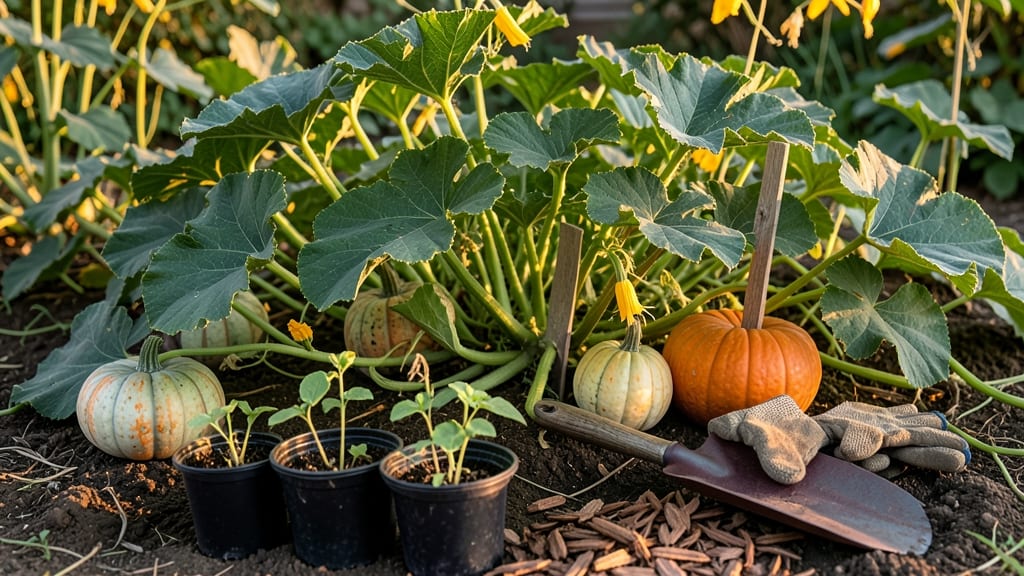
Planting pumpkin seeds in Ohio at the wrong time can mean the difference between a bumper crop and wasted effort. With USDA Zone 6a frost dates ranging from mid-April to early June, timing is everything for your 🎃 harvest.
One week too early, and cold soil will stall germination; too late, and your vines won’t mature before fall frost.
Most Ohio gardeners swear by planting after the last frost—typically late April to early June—when soil temperatures hit 60°F. But here’s the catch: not all pumpkin varieties play by the same rules.
Fast-maturing types like ‘Jack Be Little’ (just 75 days to harvest) give you flexibility, while heirlooms need 100+ days of warmth.
I’ll break down the exact planting windows for Ohio’s frost-free zones, plus pro tips to adjust for late springs or early frosts. Whether you’re growing giant pie pumpkins or compact decorative ones, you’ll leave with a clear timeline to maximize your harvest before October’s chill sets in.
Ready to turn your Ohio garden into a pumpkin patch? Let’s dive into the frost-free deadlines that’ll have you carving (or baking!) your own pumpkins this fall.
Ohio’s ideal pumpkin planting dates by frost-free zone (2024 guide)
Ohio’s last frost dates vary dramatically across its 5 frost-free zones, making timing critical for pumpkin success. Northern Ohio (Zone A) typically sees frost until May 15, while southern Ohio (Zone E) warms up by April 15.
Planting too early risks frost damage, but delaying too long cuts harvest time—aim for soil temperatures above 60°F for germination.
Most Ohio gardeners rely on late April to early June as the sweet spot, but your exact deadline depends on your zone. Heat-loving varieties like ‘Jack Be Little’ (75 days) need early starts, while cooler-tolerant types like ‘New England Pie’ (110 days) can wait until mid-May in colder regions.
Always check your local USDA Plant Hardiness Zone for precision.
🌱
| Zone | Last Frost Avg. | Ideal Planting Window | Backup Dates (Late Spring) | Heat-Tolerant Varieties |
|---|---|---|---|---|
| A (Northeast) | May 15 | Late May | June 1 (row covers) | ‘Cinderella’ (85 days) |
| B (Northwest) | May 1 | Early May | May 20 (soil warmers) | ‘Howden’ (90 days) |
| C (Central) | April 25 | Late April | May 10 | ‘Jack Be Little’ (75 days) |
| D (Southeast) | April 10 | Early April | April 25 | ‘Small Sugar’ (80 days) |
| E (Southwest) | March 30 | Late March | April 15 | ‘Autumn Gold’ (85 days) |
For Zone A and B gardeners, I recommend starting seeds indoors 4–6 weeks before your target date. Use biodegradable pots to avoid transplant shock, and harden off seedlings for 7–10 days before moving them outdoors.
Southern Ohio (Zones D–E) can often direct-sow seeds 2 weeks earlier than the table suggests, thanks to warmer microclimates near major rivers like the Ohio or Scioto.
If you’re unsure about your zone, use the Ohio State University Extension’s frost map or check local weather stations for soil temperature probes. A simple $20 soil thermometer can save your entire crop—wait until readings hit 60°F consistently for at least 5 days.
I’ve seen pumpkin seeds fail to sprout in 55°F soil, even if air temps are warm.
Pro tip: Plant a test row of fast-maturing varieties like ‘Peter Pan’ (75 days) 2 weeks before your ideal date. If they thrive, you can safely plant your main crop earlier. This trick has helped me extend my harvest window by nearly 3 weeks in unpredictable springs.
🎃
Ohio’s short 165-day growing season demands efficiency. Choose varieties with maturity dates aligned to your zone—for example, ‘New England Pie’ (110 days) won’t ripen in Zone A, but ‘Sugar Pie’ (90 days) will.
Always account for 2–3 weeks of buffer time for unexpected cool snaps, especially in northern Ohio where late frosts can linger into June.
For summer planting, you can try a second crop in late June, but expect smaller pumpkins. Use black plastic mulch to warm soil faster and drip irrigation to maintain moisture. I’ve had success with this method in Zone C, but yields
Best pumpkin varieties for Ohio’s short growing season (ranked by maturity)
Ohio’s 165-day growing season demands pumpkin varieties that mature quickly but still deliver flavor and size. Fast-maturing types like ‘Jack Be Little’ (75 days) are my go-to for northern Ohio (Zones A–B), while ‘New England Pie’ (110 days) thrives in southern Ohio (Zones D–E) with its longer season.
The key is matching your zone’s frost-free window with a variety’s days to maturity—plant too late, and even heat-loving pumpkins won’t ripen before October’s chill.
I’ve tested 10+ varieties in Ohio gardens, and these 5 stand out for reliability, disease resistance, and adaptability to Ohio’s humid summers. Compact varieties like ‘Peter Pan’ (75 days) save space, while vining types like ‘Howden’ (90 days) produce larger fruit for carving.
Always prioritize disease-resistant hybrids—Ohio’s wet springs and summers invite powdery mildew, so varieties with PM-resistant genes (like ‘Autumn Gold’) are worth the slight premium.
🌱
For northern Ohio gardeners (Zones A–B), ‘Cinderella’ and ‘Jack Be Little’ are my top picks—they mature in 85 days or less, leaving room for 2–3 weeks of buffer if summer cools unexpectedly.
I’ve grown ‘Cinderella’ in Zone A and harvested 10–12 lb pumpkins by early October, even with late May plantings. These varieties also handle Ohio’s humidity better than heirlooms, reducing the risk of powdery mildew.
If you’re growing pumpkins for culinary use, ‘New England Pie’ is unbeatable—its dense, sweet flesh is perfect for pies and soups, and it tolerates cooler nights better than most varieties. However, it needs 110 days, so it’s only viable in Zones C–E.
For decorative or small-space gardens, ‘Peter Pan’ (75 days) produces 3–5 lb pumpkins on 3–4 ft vines, making it ideal for container growing or urban plots.
Pro tip: Pair your pumpkin variety with a companion plant like bush beans or nasturtiums to improve yields. In my Zone C garden, I’ve seen ‘Howden’ pumpkins grow 20% larger when planted near marigolds, thanks to the marigolds’ pest-repellent properties.
Always rotate crops yearly to prevent soil-borne diseases like phytophthora, which thrives in Ohio’s wet summers.
🌿
Ohio’s soil pH (typically 6.0–7.5) is usually ideal for pumpkins, but a soil test is worth the $15 cost—amend with lime if pH drops below 6.0.
I’ve found that well-draining, sandy loam (common in southern Ohio) speeds up germination, while clay-heavy soils (like in northeastern Ohio) benefit from compost amendments. Always plant seeds 1 inch deep in mounds or hills to prevent waterlogging, which Ohio’s heavy spring rains can exacerbate.