
Plants
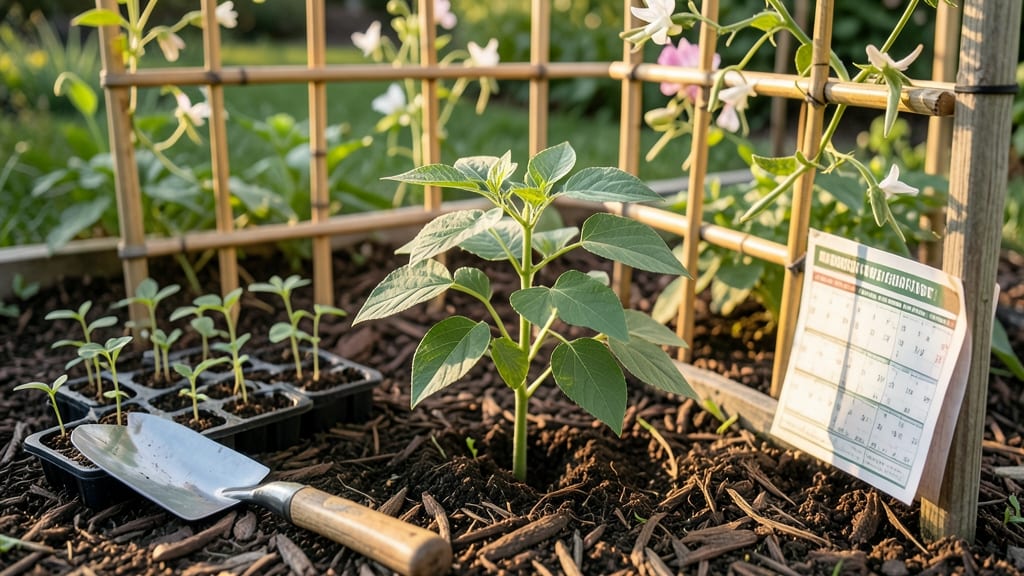
Timing your beans planting in Kentucky could mean the difference between a garden overflowing with fresh pods and a season of disappointment. With USDA Zones 6a-7a bringing unpredictable frosts and heat waves, getting those seeds in the ground at the right moment is everything.
Most gardeners in Kentucky wait until after the last frost—typically mid-April to early May—but not all beans thrive under the same conditions. Pole beans like Kentucky Wonder need warmer soil (60°F+) to take off, while bush varieties can handle slightly cooler temperatures.
The key? Planting 1-2 weeks after your area’s last frost date, whether you’re in Lexington’s cooler hills or Bowling Green’s warmer valleys.
I’ve learned the hard way that rushing beans into cold soil leads to slow germination or even rot. But there’s a sweet spot: April 15–May 30 is your best window for most varieties, giving them 60–80 days to mature before Kentucky’s first frost in October.
For late-season heat lovers like lima beans, you can even push planting into June for a fall harvest.
Ready to turn your Kentucky garden into a bean bonanza? Let’s break down the exact planting schedule, soil prep secrets, and the best varieties to grow—so you can enjoy fresh, homegrown beans straight from your 🌱 patch all summer long.
Kentucky bean planting calendar: frost-free dates by bean type
Kentucky’s variable climate—from chilly Lexington to warmer Bowling Green—means your bean planting timing must adapt. The last frost date typically falls between March 15 and April 15, but soil temperature matters more than calendar dates.
Most beans need soil at least 60°F to germinate, while lima beans thrive only in 70°F+ conditions. Below, I’ve broken down the optimal planting windows for Kentucky’s three most popular bean types, adjusted for the state’s three regions.
For Northern Kentucky (e.g., Lexington), where frosts linger longer, pole beans like Kentucky Wonder should wait until mid-April when soil warms.
Meanwhile, Southern Kentucky (e.g., Bowling Green) can start pole beans as early as late March, giving them a head start. Bush beans, like Blue Lake, are more sensitive to cold and should wait until soil hits 65°F—usually early May in the north and late April in the south.
Lima beans, heat-lovers all, shouldn’t go in until late May in cooler zones.
🌱
If you’re unsure about your local frost dates, check the National Weather Service or use a soil thermometer—I keep one handy to avoid guessing. Central Kentucky (e.g., Louisville) falls in between, with pole beans ready for early April and bush beans by late April.
Remember, late plantings (after June 1) risk stunted growth from Kentucky’s summer heat, so plan accordingly.
For succession planting, sow bush beans every 2 weeks from April to July to extend your harvest.
This works especially well in Southern Kentucky, where the growing season is longer. Pole beans, with their 60–80 day maturity, are ideal for a single late-April planting in cooler zones, while lima beans (90+ days) should be your late May/early June project.
Pro tip: Mark your calendar for October 15, Kentucky’s average first frost date. If you’ve got unharvested beans lingering, cover them with row fabric to buy a few extra weeks. I’ve saved entire crops this way in past years!
☀️
How to adjust planting for Kentucky’s unpredictable weather
Kentucky’s variable climate—with sudden temperature swings and unpredictable frost—can make bean planting tricky. The key is flexibility. I’ve learned to adjust planting dates based on real-time conditions rather than relying solely on averages.
For example, if your soil temperature stays below 60°F past the usual last frost date, wait longer. Use a soil thermometer ($10 at garden centers) to track progress.
In Northern Kentucky (like Lexington), where frosts linger later, I often start seeds indoors in late March. This gives my pole beans a 4–6 week head start before transplanting after Memorial Day.
For Southern Kentucky (Bowling Green area), I plant outdoors as early as mid-March, knowing the ground warms faster. The difference? 3–4 weeks in planting timing between regions!
Here’s my go-to strategy for handling Kentucky’s weather quirks: succession planting in 2-week intervals ensures a continuous harvest. If your first planting gets nipped by late frost, the second batch often saves the season.
I also use row covers (lightweight fabric) to protect young seedlings from late spring frosts—they’re cheap and extend the growing window by 2–3 weeks.
5 Pro Tips for Kentucky Bean Growers
- Start seeds indoors (4–6 weeks before last frost) for a head start on the short Northern KY season.
- Use black plastic mulch to warm soil faster in cooler regions (e.g., Lexington).
- Plant heat-tolerant varieties (e.g., ‘Rattlesnake’ beans) in July for a fall harvest.
- Avoid planting beans where tomatoes or peppers grew last year (shared pests/diseases).
- Harvest regularly to encourage continuous production—beans stop flowering if pods aren’t picked.
For late summer plantings, choose heat-tolerant varieties like ‘Rattlesnake’ beans or ‘Scarlet Runner’. These thrive in Southern Kentucky’s humidity and can handle 90°F+ temperatures better than standard types. I’ve had success planting them in early July for a September harvest, just before the first frost.
Just remember: water deeply 2–3 times a week to prevent bloom drop in extreme heat.
One mistake I made early on? Ignoring soil moisture during Kentucky’s spring showers. Beans hate waterlogged soil, which can rot seeds. If rain is forecast, hold off on planting until the ground dries.
A quick fix: raise beds with compost to improve drainage. This small change cut my seedling loss by 50% in soggy years.
Finally, keep an eye on pests—Kentucky’s bean beetles and Japanese beetles love young plants. I use neem oil spray preventatively and handpick beetles in the morning. With these adjustments, even Kentucky’s unpredictable weather won’t stop you from growing a bountiful bean harvest!