Plants
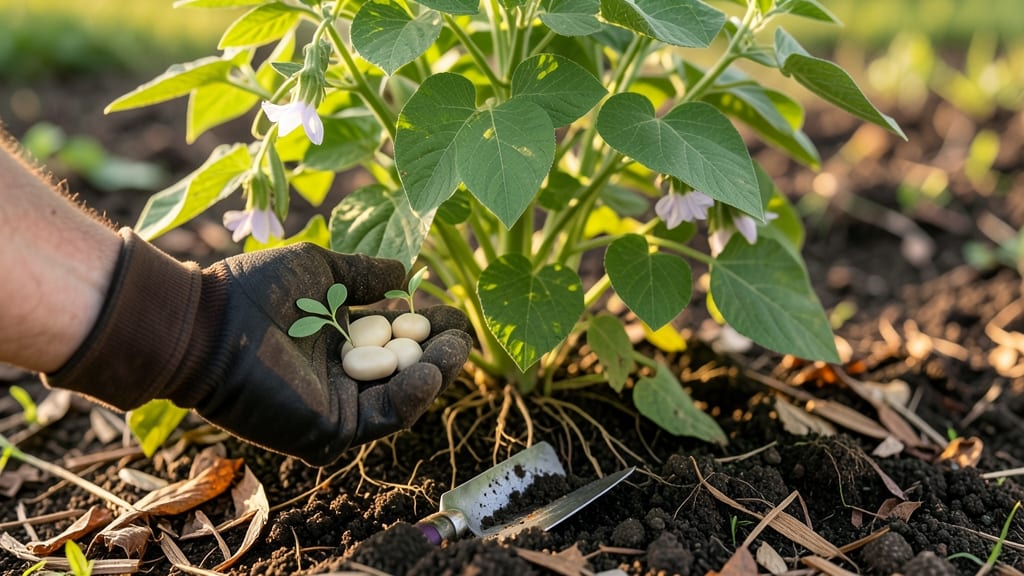
Timing your bean planting in Zone 6 can mean the difference between a thriving garden and wasted effort. With the right window—after your last frost and when soil hits 60°F—you’ll unlock fast germination and a bountiful harvest.
Most gardeners in 6a-6b plant between April 15 and June 15, but there’s more to it than just dates.
The key is understanding your local microclimate and soil conditions. While the average last frost in Zone 6 is around April 15, cooler pockets or late springs might delay planting. Using a soil thermometer ensures you’re not rushing seeds into cold ground, which can stunt growth or invite disease.
For fast-growing varieties like bush beans, timing is everything—plant too early, and frost will nip tender sprouts. Too late, and you’ll miss the sweet spot for summer harvests. I’ll break down how to adjust for early or late planting, including tricks like row covers to extend your season.
Whether you’re growing pole beans for trellises or bush beans for quick harvests, mastering this window sets you up for success. Let’s dive into the exact steps to time your planting perfectly in Zone 6.
Optimal soil temperature and frost-free dates for planting beans in Zone 6
Planting beans in Zone 6 requires precise timing to avoid frost damage and ensure fast germination. Beans thrive in warm soil, typically between 55°F and 85°F, but they won’t germinate well in cold, wet conditions.
The last frost date in Zone 6 usually falls around April 15, but this can vary by microclimate—urban areas may warm up faster than rural spots.
To get the best results, wait until the soil temperature consistently stays above 60°F for at least a week. Cold soil slows germination, leaving seeds vulnerable to rot. Use a soil thermometer to check—this simple tool prevents costly mistakes by giving you real-time data on soil conditions.
For early planting, consider cold frames or row covers to protect seedlings from late frosts. However, planting too early in cold soil can lead to damping off, a fungal disease that kills young seedlings. Balance warmth with safety to give your beans the best start.
In Zone 6a (colder end of the range), aim for May 1 as your target date, while Zone 6b gardeners can start as early as April 20. Always check your local frost-free date—even a light frost can devastate young bean plants, which are highly sensitive to cold.
Here’s a quick reference for soil temperature and planting windows in Zone 6:
If you’re in a cooler microclimate within Zone 6, opt for fast-maturing varieties like 'Blue Lake' or 'Contender', which can be harvested in as few as 50 days. These varieties are ideal for late spring plantings or areas with shorter growing seasons.
For succession planting, sow a second crop every 2-3 weeks until early July. This ensures a continuous harvest through late summer.
Just be sure to stop planting by August 1—beans need at least 60 days to mature before the first frost, which typically hits Zone 6 by mid-October.
Pro tip: Mark your calendar with the average frost dates for your specific location. Websites like the National Weather Service or local cooperative extension offices provide hyper-local data that’s far more accurate than general Zone 6 guidelines.
Finally, monitor weather forecasts in the days leading up to planting. A sudden cold snap can delay your planting window, so have a backup plan—like container gardening on a patio—to keep your beans safe and on schedule.
Optimal soil temperature and frost-free dates for planting beans in Zone 6
Beans thrive in warm soil and won’t germinate well if planted too early. In Zone 6, aim for soil temperatures between 55°F and 85°F—the sweet spot for fast germination.
Most varieties need at least 60°F soil to sprout consistently, so don’t rush planting just because the air feels warm.
Use a soil thermometer to check temperatures at a 4-inch depth. If your soil is below 55°F, wait a few weeks—cold soil delays germination and can lead to rot.
In Zone 6, this typically aligns with mid-to-late April for most regions, but check your local frost-free date for precision.
🌱
| Factor | Zone 6 Specification | Actionable Tip |
|---|---|---|
| Soil Temperature | 55°F–85°F (ideal: 60°F+) | Test with a soil thermometer; wait if below 55°F. |
| Last Frost Date | Mid-April (varies by region) | Plant 2–3 weeks after last frost for safety. |
| Germination Time | 5–10 days (warmer = faster) | Use row covers to warm soil if needed. |
| Late Planting Window | Up to early June | Choose fast-maturing varieties for summer harvests. |
Zone 6 spans a wide geographic area, so your exact frost-free date may vary. For example, northern Zone 6 (6a) might see frost until May 1, while southern Zone 6 (6b) could be frost-free by April 15.
Use your local USDA Plant Hardiness Zone Map or a frost calendar from your county extension office for the most accurate timing.
If you’re eager to plant early, consider warm-season varieties like Kentucky Wonder or Blue Lake, which germinate quickly in 60°F+ soil. For a head start, sow seeds indoors 4–6 weeks before your last frost date, then transplant seedlings once soil warms up.
Just be sure to harden them off for 7–10 days to avoid transplant shock.
Remember, beans are sensitive to frost—even young seedlings can’t survive temperatures below 40°F. Always have a backup plan, like row covers or a cold frame, if late frosts are forecasted in your area. 🌡️