Companion Plants
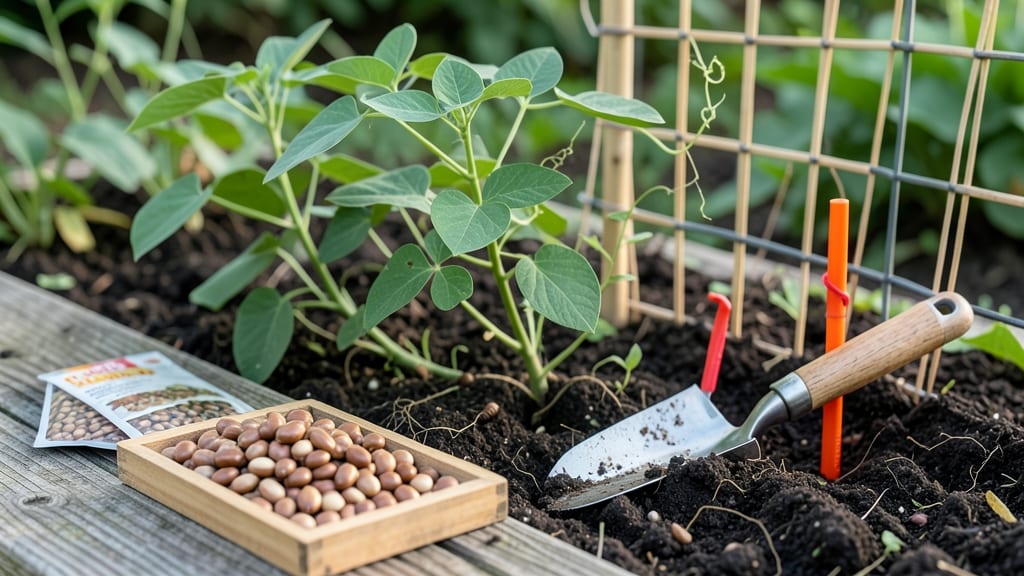
Knowing when to plant beans in Pennsylvania can mean the difference between a bountiful harvest and wasted effort. Whether you're growing bush beans for snap pods or pole varieties for dried harvests, timing is everything—especially in PA's varied climate from USDA zones 5–8.
Plant too early, and frost will nip your tender seedlings; too late, and summer's heat can stress your plants before they mature.
Most gardeners in Pennsylvania wait until the soil warms to at least 55°F—a critical threshold for bean germination. That usually means holding off until mid-May in cooler northern regions, while southern areas like Philadelphia can start as early as late April.
But don’t rely solely on the calendar: use a soil thermometer to confirm warmth before planting those 🌱 seeds.
This guide breaks down the ideal planting windows by region, soil temperature tips, and how to adjust for Pennsylvania’s unpredictable springs.
You’ll learn which varieties thrive in your zone, how to protect early plantings from late frosts, and when to expect your first harvests—so you can plan your garden like a pro.
The key to success? Paying attention to both the weather forecast and your soil’s readiness. With the right timing, you’ll enjoy fresh beans straight from your garden all summer long—no guesswork required.
Best planting dates for beans in Pennsylvania by region
Pennsylvania’s diverse climate means last frost dates vary dramatically—from April 15 in Erie to May 15 in Philadelphia. For beans, which thrive in soil temperatures above 55°F, timing is critical.
Plant too early, and frost will kill seedlings; too late, and summer heat may reduce yields. Let’s break down the ideal planting windows for PA’s most common growing zones and cities.
Most bush beans and pole beans in Pennsylvania should be planted 2-3 weeks after your last frost date. This gives the soil time to warm up, ensuring faster germination. In cooler zones like Pittsburgh (USDA Zone 6), aim for mid-May.
Warmer southern regions like Harrisburg (Zone 7) can start as early as late April.
Here’s how to determine your local last frost date: Check the Penn State Extension or NOAA climate data for your county. For example, Erie (Zone 5) typically sees its last frost around May 10, while Philadelphia (Zone 7b) averages April 20.
Planting too soon in Zone 5 risks frost damage, while Zone 7 gardeners can push earlier starts.
For fall planting, which works best in southern PA (Zones 7-8), sow seeds 8-10 weeks before your first frost. This usually lands in late July to early August. Fall beans benefit from cooler temperatures and can produce a second harvest before winter sets in.
| Region/City | USDA Zone | Last Frost Date | Ideal Planting Window | Soil Temp Goal |
|---|---|---|---|---|
| Erie | 5 | May 10 | May 20 - June 1 | 55°F+ |
| Pittsburgh | 6 | April 25 | May 10 - May 25 | 55°F+ |
| Philadelphia | 7b | April 20 | April 30 - May 15 | 55°F+ |
| Allentown | 6b | April 28 | May 10 - May 20 | 55°F+ |
| Harrisburg | 7a | April 15 | April 25 - May 10 | 55°F+ |
If you’re unsure about your local frost dates, use a soil thermometer to confirm readiness. Insert it into the soil 2 inches deep—beans won’t germinate until the temperature consistently stays above 55°F.
In cooler years, this could push planting back by 1-2 weeks. For example, Pittsburgh’s 2020 spring saw delayed warming, forcing gardeners to wait until late May.
For pole beans, which take longer to mature, plant 1-2 weeks earlier than bush beans. This gives them extra time to establish vines before summer heat sets in. Varieties like ‘Kentucky Wonder’ thrive in PA’s climate and produce heavier yields when planted at the optimal time.
In southern PA (Zones 7-8), you can also experiment with early spring plantings under row covers. Use floating row covers to protect seedlings from late frosts while allowing sunlight to penetrate. Remove covers once plants are 3-4 inches tall and soil temperatures stabilize above 60°F.
Remember: Soil temperature trumps calendar dates. A warm April might allow earlier planting in Zone 6, while a cold May could delay even Zone 7 gardeners. Always check both your frost dates and soil warmth before committing to a planting schedule.
Pro tip: Keep a gardening journal to track your local conditions. Note when your soil hits 55°F each year—this helps refine future planting times
How to time bean planting with soil temperature (not just calendar dates)
Beans are warm-season crops, so soil temperature matters more than calendar dates. Most varieties need soil to reach at least 55°F for germination, but some cold-tolerant types like 'Kentucky Wonder' can handle 50°F. In Pennsylvania, this often means waiting until late May or early June in cooler zones.
Don’t rely on air temperature—soil warms up slower. Use a soil thermometer to check depths of 2-3 inches. If your mornings are still chilly, opt for fast-germinating varieties like 'Blue Lake', which sprout in 5-7 days once planted.
Avoid planting too early, even if frost risk seems low. Cold soil delays germination and invites soil-borne diseases. In Pittsburgh (Zone 6), I’ve seen beans planted in early May rot in the ground for weeks—only to sprout when soil finally warmed in June.
For fall planting, aim for 8-10 weeks before your first frost. In Philadelphia (Zone 7), this means late July to early August. Use a row cover to extend the season if needed.
🌱 Key Takeaways for PA Bean Planting
- Soil Temp: Wait for 55°F+ (use a thermometer!)
- Cold Springs: Choose 'Kentucky Wonder' or 'Blue Lake' for faster sprouting
- Fall Planting: Start 8-10 weeks before first frost
- Row Covers: Extend season by 2-3 weeks in cooler areas
Pro tip: Test soil warmth at 2-inch depth—surface temps can be misleading!
If you’re in Erie (Zone 6), where lakes create microclimates, monitor soil near water’s edge—it stays cooler longer. For Allentown (Zone 7), you might push planting to mid-April if you use black plastic mulch to warm soil faster.
Remember: Beans won’t grow if soil is cold, no matter how sunny it is. Patience pays off—wait for the right conditions, and you’ll enjoy a bountiful harvest all summer long!