Plants
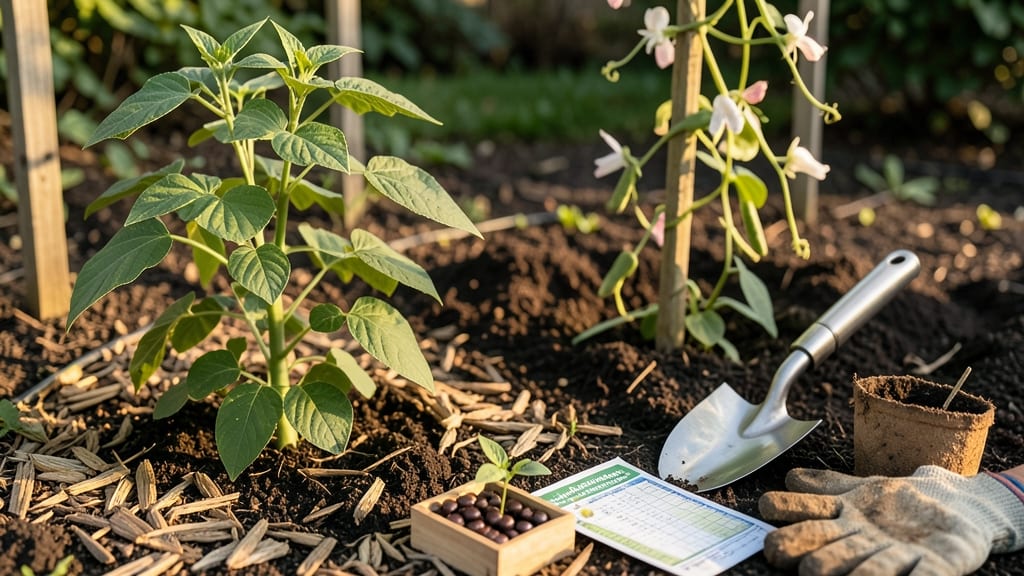
Timing your beans 🌱 planting in North Carolina can mean the difference between a bountiful harvest and wasted effort. Plant too early, and frost will nip your seedlings before they even sprout. Too late, and summer's heat might stunt growth or cause blossoms to drop before producing pods.
The key is knowing your region's last frost date—typically around March 15 in most of NC, but earlier in southern zones and later in the mountains.
For fast germination, wait until soil temperatures hit at least 60°F and stick to the spring window (March 15–April 30) or fall window (August 1–September 15).
I’ll break down the exact weeks before last frost for your area, plus soil prep tips and the best bean varieties for NC’s climate. Whether you’re growing bush beans for quick harvests or pole beans for continuous production, these timelines will help you avoid common mistakes and maximize your yield.
Ready to grow beans that thrive? Let’s dive into the perfect planting schedule to ensure your garden produces plump, tender pods all season long—without the guesswork.
North Carolina bean planting calendar: exact weeks before last frost by region
North Carolina’s diverse climate—from the humid Coastal Plain to the cooler Mountains—means your bean planting timeline should shift depending on where you live. For bush beans and pole beans, timing directly impacts germination rates and harvest success.
Most NC gardeners aim to plant 2–4 weeks after the last frost date, but soil temperature matters more than calendar dates.
Use the USDA Plant Hardiness Zones (6a–8b) as a guide, but always check your local last frost date (typically March 15 in the south to April 15 in the mountains).
Bean seeds need soil temperatures of at least 60°F to sprout reliably—colder soils delay germination or cause rot. For fall planting, aim for August 1–September 15 in most regions.
Here’s how to align your planting with NC’s 5 key regions for maximum yield:
| Region | Last Frost Date | Optimal Planting Window | Soil Temp Threshold | Best Varieties |
|---|---|---|---|---|
| Coastal Plain (Zones 8a–8b) | March 1–15 | March 15–April 15 | 60°F+ (earlier than inland) | ‘Blue Lake’, ‘Contender’ (heat-tolerant) |
| Piedmont (Zones 7a–7b) | March 15–April 1 | April 1–April 30 | 60°F+ (wait for warm snaps) | ‘Kentucky Wonder’, ‘Provider’ (reliable) |
| Mountains (Zones 6a–7a) | April 15–May 1 | May 1–May 15 | 65°F+ (cooler soils delay sprouting) | ‘Rattlesnake’, ‘Tendergreen’ (shorter season) |
| Fall Planting (All Regions) | November 1–15 | August 1–September 15 | 60°F+ (soil must stay warm) | ‘Black Valentine’, ‘Golden Wax’ (cold-hardy) |
For direct sowing (the preferred method for beans), plant seeds 1 inch deep and 3–4 inches apart in rows 18–24 inches apart.
If you’re transplanting seedlings, wait until they’ve developed 2–3 true leaves and harden off for 3–5 days before moving them to the garden. Pole beans need trellises or stakes—install these 2–3 weeks before planting to avoid disturbing roots later.
Pro tip: Use a soil thermometer to confirm temperatures. If your soil is below 60°F, delay planting or use black plastic mulch to warm the soil faster.
In Zone 8b (Coastal), you can even plant early varieties like ‘Romano’ as soon as February if you protect seedlings with row covers during chilly nights.
Succession planting is key for a continuous harvest. After your first planting, sow new seeds every 2 weeks until June 15 (spring) or August 15 (fall). This ensures you’re not overwhelmed with a single harvest and maximizes your garden’s productivity. Just remember: beans hate cold feet—never plant when nighttime temps dip below 50°F.
For fall beans, start seeds indoors 6–8 weeks before your target transplant date (late July for most of NC). Harden them off and transplant August 1–15, choosing short-day varieties like ‘Black Valentine’ that mature faster in cooler weather.
With the right timing, you can enjoy fresh beans through October in many regions.
🌱
How to adjust bean planting time for NC’s microclimates and soil conditions
North Carolina’s diverse geography means your bean planting schedule should adapt to your specific location. In the Coastal Plain, where humidity lingers, start beans 2–3 weeks earlier than Piedmont regions. Meanwhile, mountain gardeners (USDA Zone 6a) should delay planting until mid-to-late May to avoid late frosts.
Microclimates like urban heat islands or shaded backyards also shift ideal timing—even by 1–2 weeks!
Soil temperature is your true planting guide, not just the calendar. Use a soil thermometer to confirm 60°F+ before sowing seeds. In sandy soils (common in the Sandhills region), moisture drains fast, so plant earlier (March 20–April 1) and water daily until established.
Clay-heavy soils in the Piedmont hold moisture longer, allowing a later start (April 15–May 1) without risk of drought stress.
🌱Pro Tip: For high-altitude gardens (e.g., Asheville), opt for shorter-season varieties like ‘Blue Lake’ (50 days) instead of ‘Kentucky Wonder’ (70+ days). These mature faster in cooler mountain summers.
- 🌡️ Coastal Plain: Plant March 20–April 10 (warmer soils, earlier frost-free dates).
- 🏔️ Mountains (Zone 6a): Delay until May 1–15 (late frosts, cooler soils).
- 🏙️ Urban Heat Islands: Start 1 week earlier (soil warms faster on pavement).
- 🌳 Shaded Gardens: Choose pole beans (tolerate less light) and plant 2 weeks later than sun-exposed beds.
- 💧 Sandy Soils: Sow earlier (March 15) + mulch heavily to retain moisture.
Extend your harvest window with succession planting—sow new seeds every 2 weeks from April through June. This ensures a continuous supply of fresh beans, even if early plantings bolt in summer heat.
For fall crops, start seeds indoors 8–10 weeks before your first frost (early August for most of NC) or direct-sow by August 15 in the Piedmont.
Row covers are a game-changer for early or late plantings. Use floating row covers to protect seedlings from light frosts (28–32°F) or heatwaves that can cause blossom drop.
Remove covers when plants flower to allow bee pollination—critical for pod development! For extreme heat (common in July–August), provide afternoon shade cloth to prevent wilting.
🌿Key Takeaway: NC’s 300+ frost-free days in the south vs. 180 days in the mountains mean your planting window can vary by 6+ weeks. Always test soil temperature, adjust for your microclimate, and succession plant for the longest harvest possible!